Iranian Crypto Exchange: What You Need to Know About Crypto Trading in Iran
When people talk about an Iranian crypto exchange, a digital platform where Iranians buy, sell, or trade cryptocurrencies despite government restrictions. Also known as crypto trading platforms in Iran, it's not just about technology—it's about survival, remittances, and bypassing economic sanctions. Even though the Iranian government officially bans crypto transactions through banks and licensed financial institutions, millions still use peer-to-peer platforms and offshore exchanges to access Bitcoin, Ethereum, and stablecoins.
Why does this work? Because crypto isn’t a luxury here—it’s a tool. With inflation hitting over 40% and the rial losing value fast, people turn to crypto to protect savings. Remittances from abroad, often blocked by Western banks, flow through crypto wallets. And while the state claims to crack down, enforcement is patchy. Many Iranians use P2P marketplaces, direct trading platforms where users exchange fiat for crypto without intermediaries. Also known as localbitcoins-style networks, these are the backbone of Iran’s underground crypto economy. Telegram groups, WhatsApp channels, and local payment apps like ZarinPal make it easy to match buyers and sellers. Some even use stablecoins, crypto tokens pegged to the US dollar or other stable assets. Also known as USDT or USDC, these are the real workhorses of daily transactions in Iran. You won’t find a regulated Iranian crypto exchange like Binance or Coinbase operating openly—but you’ll find plenty of local operators running discreetly.
The U.S. sanctions and Iran’s own restrictions create a strange paradox: the more the government tries to block crypto, the more it spreads. Mining is tolerated in some areas because it uses excess electricity, and local miners often sell their Bitcoin directly to traders. Meanwhile, Iranian developers have built their own wallets and tools to bypass censorship. What you won’t see in official reports are the thousands of daily trades happening in basements, cafes, and home offices across Tehran, Shiraz, and Tabriz. This isn’t speculation—it’s necessity.
Below, you’ll find real reviews, breakdowns of how Iranians access crypto, and analysis of the platforms they trust—even when those platforms aren’t legal. No fluff. No hype. Just what’s actually happening on the ground.
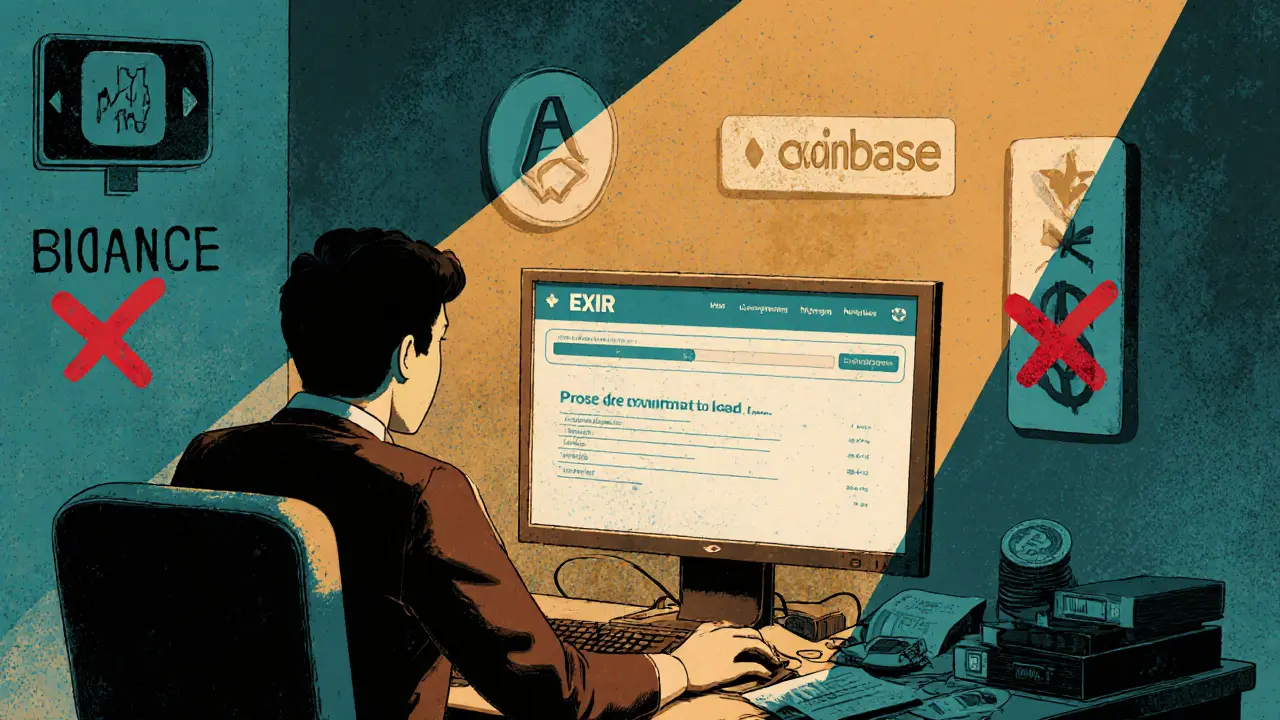
EXIR Crypto Exchange Review: Is It Worth It for Iranian Users in 2025?
EXIR is the only crypto exchange for Iranian citizens under sanctions. It's slow, illiquid, and lacks a mobile app, but it's one of the few ways Iranians can trade crypto legally. Here's what you need to know in 2025.
View More