Finance & Regulation: Crypto Compliance, Vesting, and Legal Risks Explained
When you're dealing with Finance & Regulation, the rules and legal frameworks that govern how money moves in digital assets. Also known as crypto compliance, it's not just paperwork—it's what keeps you from losing everything when a startup folds or a government cracks down. In North America, this isn't theoretical. If you're holding tokens, working for a blockchain company, or running a crypto service, you're already in the crosshairs of regulators. The question isn't whether rules apply—it's whether you know what they are.
Take vesting terms, how equity or tokens are released over time to employees or early backers. Many people think they're getting rich when a project launches, but if the vesting schedule has a 4-year cliff and no acceleration clause, you could walk away with nothing if you leave before year four—or if the company gets bought. It’s not just about timing; it’s about tax triggers, acquisition clauses, and whether the company can cancel your tokens if you’re fired. This isn’t Silicon Valley hype—it’s legal fine print that can wipe out your income. And then there’s OFAC sanctions, the U.S. government’s list of blocked individuals and entities in crypto. If your exchange, wallet, or DeFi app interacts with anyone on that list—even unknowingly—you could be fined millions. OFAC doesn’t care if you didn’t know. In 2025, compliance isn’t optional. It’s the baseline for any crypto business handling U.S. users. These aren’t isolated issues. Vesting terms affect employee retention and project stability. OFAC rules shape which exchanges survive and which get shut down. Both tie into broader blockchain legal risks, the financial, operational, and reputational dangers that come from ignoring regulatory boundaries.
What you’ll find here isn’t theory. These are real cases. People who lost their tokens because they didn’t read the fine print. Companies that got hit with penalties because they skipped compliance checks. And the simple steps you can take today to protect yourself—whether you’re an employee, investor, or founder. No jargon. No fluff. Just what works in North America’s evolving crypto landscape.

Bappebti Crypto Oversight and Licensing: The 2025 Shift to OJK
Learn how Indonesia shifted crypto oversight from Bappebti to OJK in 2025. Discover what this means for licensing, investor protection, and trading rules.
View More
Vietnam's Crypto Directive 05/CT-TTg: The $379M Barrier Explained
Vietnam's new crypto directive imposes a $379M capital barrier and VND-only settlement. Learn how Resolution 05/2025 reshapes the market, bans fiat-stablecoins, and impacts traders.
View More
BaFin Cryptocurrency Oversight: A Guide to German Compliance
Navigate BaFin cryptocurrency oversight in Germany. Learn about MiCAR compliance, licensing thresholds, AML travel rules, and recent enforcement actions.
View More
Argentina Banking Restrictions on Crypto: Why Banks Can't Touch Your Bitcoin
Discover why Argentine banks can't touch your Bitcoin. Learn about the BCRA's ban, the rise of VASPs, and how to navigate crypto regulations in 2026.
View More
Crypto Enforcement Comparison: Which Countries Prosecute Users Most?
Discover which countries pose the highest prosecution risk for crypto users. From China's total bans to India's tax traps, learn how global enforcement varies.
View More
Swiss Crypto-Friendly Framework for Businesses: A Practical Guide
Discover how Switzerland's precise regulatory framework attracts crypto businesses. Learn about FINMA licenses, AML rules, and why clarity beats chaos.
View More
Japan Crypto Exchange Regulations: FSA Rules, Licensing & 2026 Changes
Explore how the FSA regulates crypto exchanges in Japan, covering the cold wallet mandate, licensing hurdles, and upcoming 2026 shifts to securities-level oversight.
View More
Cross-Border Crypto Monitoring: How International Authorities Track Digital Assets
Discover how international authorities track cross-border crypto transactions using the Travel Rule, FinCEN, and MiCA. Learn about current monitoring methods, challenges, and what it means for your assets.
View More
Institutional Crypto Adoption: Bitcoin ETFs and Regulatory Restrictions in 2026
Discover how Bitcoin ETF approvals and new regulations transformed institutional crypto adoption in 2026. Learn why Wall Street finally embraced digital assets.
View More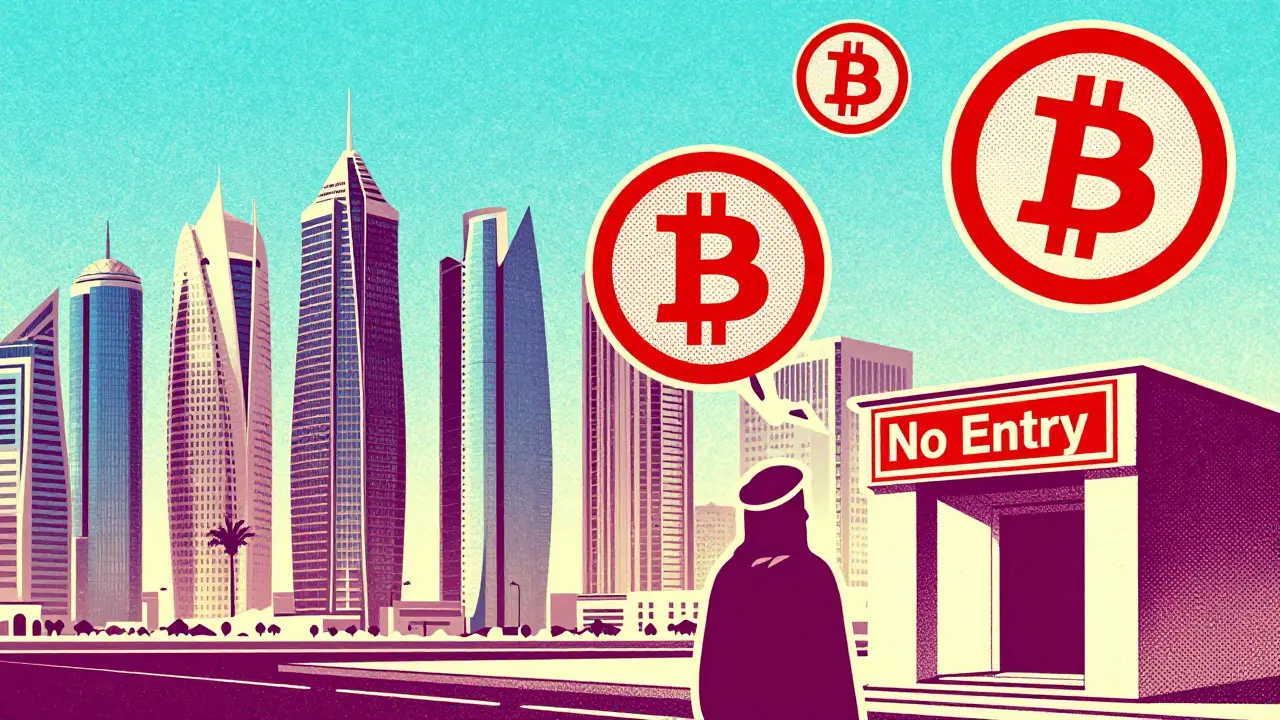
Crypto Restrictions for Qatar Residents: What Is Banned and What Is Allowed in 2026
Qatar bans Bitcoin and stablecoins but allows tokenized real-world assets under the 2024 Digital Assets Framework. Learn what is legal for residents.
View More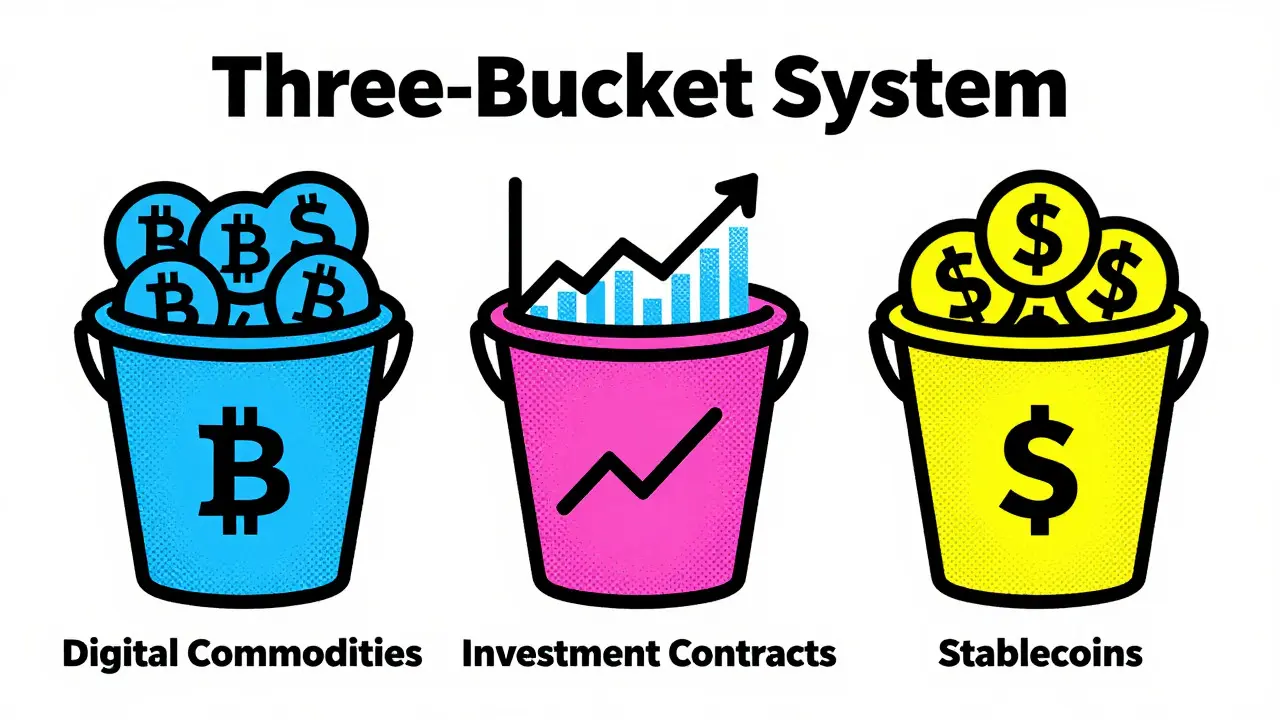
Investment and Securities Act 2025: How New Rules Change Crypto Trading
Explore how the 2025 Investment and Securities Act, including the GENIUS and CLARITY Acts, reshapes crypto trading. Learn about new asset classifications, stablecoin rules, and what this means for retail and institutional investors in 2026.
View More
Crypto Tax Enforcement and Penalties in India: The 30% Rule, TDS, and New GST
Understand India's strict crypto tax laws: 30% flat tax, 1% TDS, and new 18% GST. Learn about penalties for non-compliance and how to file correctly.
View More