The Hidden Path of State Actors
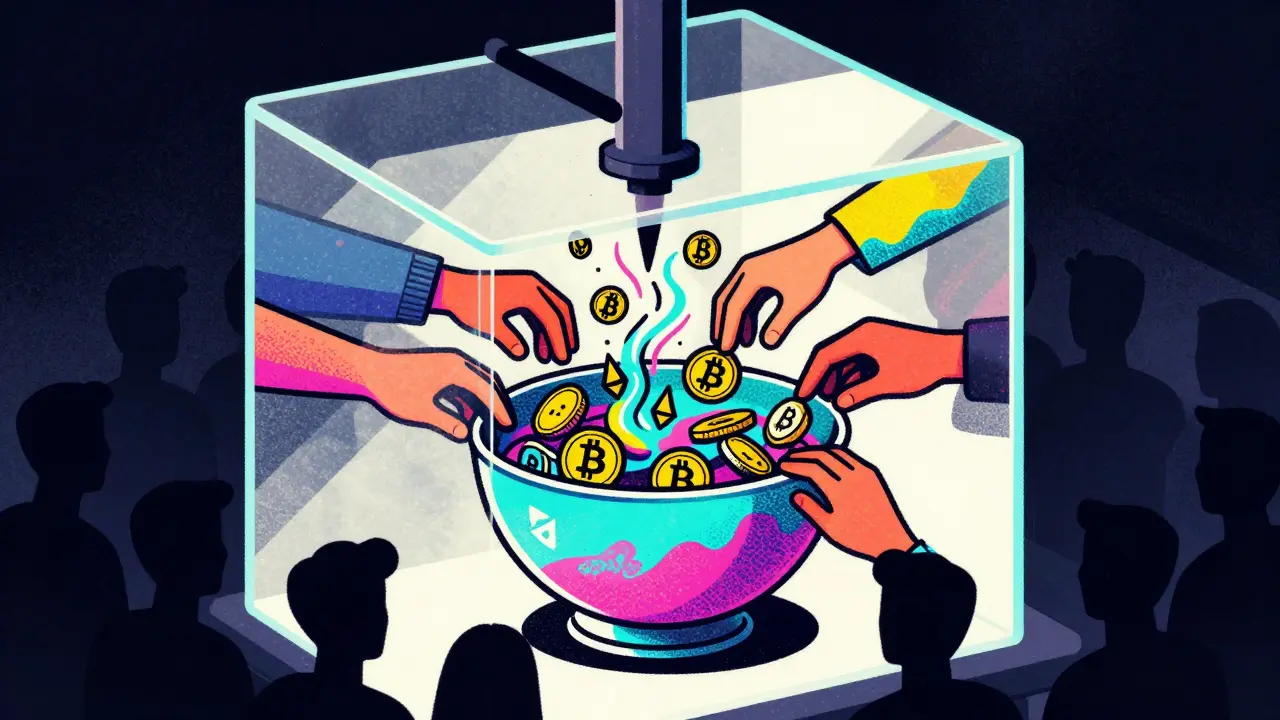
Imagine walking into a crowded room where everyone drops cash into a single pool. Later, they take money back out, but nobody knows whose bill ended up in whose hand. That is essentially what happens inside cryptocurrency mixers, specialized tools designed to obscure transaction trails on the blockchain.. In early 2026, the conversation around these tools has shifted dramatically. It is no longer just about personal privacy; it is about national security. Specifically, regulators are watching how hostile states, including North Korea, might leverage these services to wash stolen funds.
We live in an era where blockchains were built to be transparent. Every Bitcoin or Ether transaction is recorded on a public ledger. However, that same transparency creates a massive problem for criminals-and nation-states-who want to hide their money. They need to break the link between their wallet address and their bank account. This is where the connection between cryptocurrency mixing services and North Korean money laundering becomes critical.
Understanding How Mixers Work
To understand the risk, you first need to understand the technology. A cryptocurrency mixer acts like a middleman that scrambles your digital assets. When you send your coins to a mixer, it does not immediately pass them to your destination. Instead, it adds your funds to a large pot containing coins from hundreds or thousands of other users.
The system then employs mathematical algorithms to shuffle these funds. By the time the coins exit the service, they have been swapped, delayed, and routed through multiple addresses. To an outside observer, it looks like the output coins came from a completely different source than your original input. This breaks the audit trail that investigators rely on.
Centralized vs. Decentralized Solutions
There are two main ways these systems operate today, and the distinction matters for safety and legality.
- Centralized Mixers: These are run by specific companies. You send funds to their custodial wallet, and they manage the swapping process. This requires trust because the operator technically controls your funds during the transaction. If the operator is untrustworthy, they could steal your money or keep logs that reveal your identity.
- Decentralized Mixers: These use smart contracts on the blockchain itself. No single person holds your money. Protocols like CoinJoin allow users to bundle transactions together without trusting a server. While harder to shut down, they still face scrutiny from financial intelligence units worldwide.
The North Korea Connection
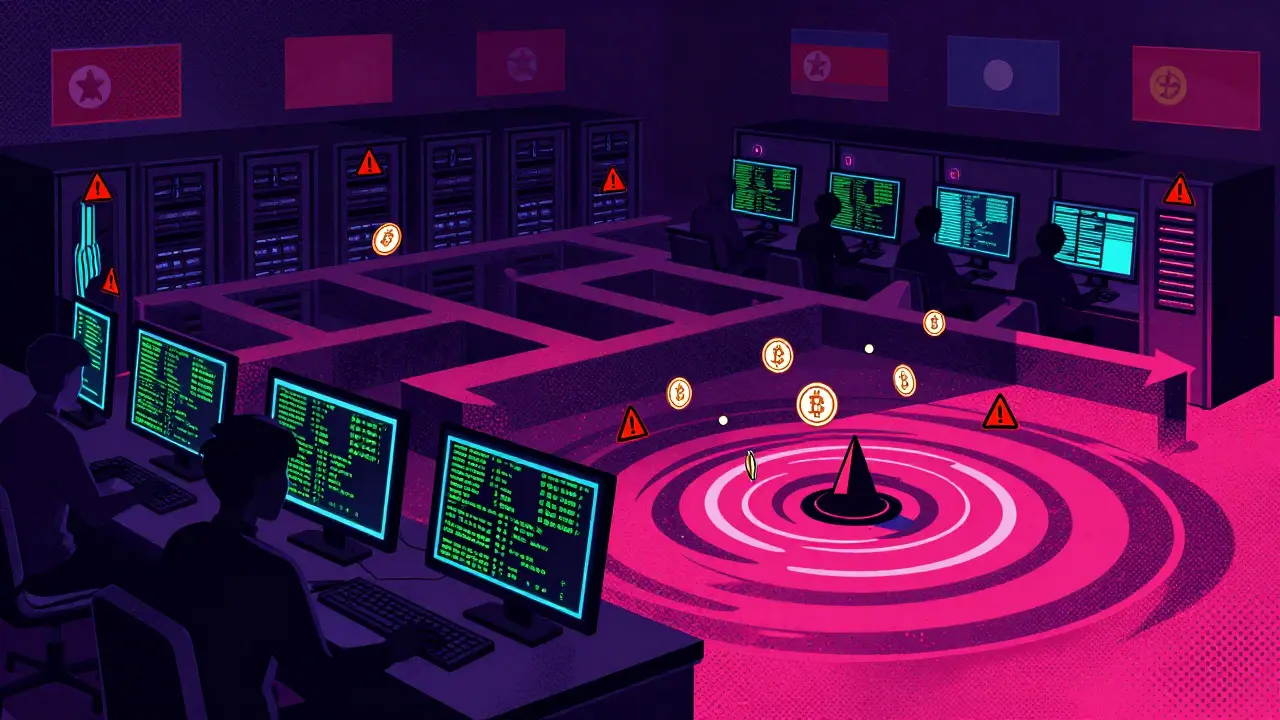
This brings us to the core concern. Why are governments worried about North Korea? Unlike individual hackers, the Democratic People's Republic of Korea (DPRK) operates on a state level. Intelligence agencies have identified that Pyongyang relies heavily on cybercrime to bypass international sanctions. Since 2020 alone, reports suggest billions of dollars have moved through crypto networks via state-sponsored hacks.
Here is the typical workflow used by these bad actors:
- The Heist: Hackers affiliated with the Lazarus Group infiltrate a major exchange or DeFi protocol to steal liquid assets, usually stablecoins or Bitcoin.
- The Move: They move the stolen funds through a chain of compromised "mule" accounts to dilute ownership signals.
- The Wash: Funds enter a mixing service to erase the provenance link back to the initial hack.
- The Exit: Cleaned funds are eventually sold for fiat currency or transferred to friendly jurisdictions.
It is important to be honest here: Publicly confirming that a specific batch of mixed coins originated directly from a North Korean state wallet is incredibly difficult. The blockchain shows the path, but the mixer deliberately obscures the endpoint. However, blockchain forensics firms have flagged specific wallet clusters associated with DPRK activity entering high-volume mixers repeatedly. This pattern matching is enough for regulators like the Office of Foreign Assets Control (OFAC) to designate certain mixer protocols as secondary sanctions targets.
Legal Consequences and Enforcement
In the United States and allied nations, using certain mixers is becoming legally perilous. The Department of Justice has indicted operators of services like Blender.io, alleging they facilitated the laundering of proceeds from darknet markets and ransomware attacks. In the case of Tornado Cash, the software was designated under sanctions for aiding malicious actors globally.
If you are a regular investor, this raises a red flag. Simply holding coins that passed through a sanctioned mixer can lead to frozen assets. Banks and exchanges perform screening checks. If your wallet history shows interaction with a prohibited address, your funds may be held for review. In March 2026, compliance teams are tightening these rules even further to stop potential state-sponsored laundering.
Risk Assessment for Users
You might wonder if you should be using these services at all. There is a legitimate demand for financial privacy-protecting against price speculation or stalking. But when state-level adversaries use the same tools to evade sanctions, the collateral damage falls on everyone.
Consider the table below to understand the operational differences between privacy methods and their current standing in 2026:
| Feature | Centralized Mixer | Decentralized Protocol | Privacy Coins |
|---|---|---|---|
| Custody of Funds | Operator Holds | Smart Contract | User Held |
| Regulatory Scrutiny | High (Easy Target) | Medium (Hard to Ban) | Very High |
| North Korea Risk Profile | Potential Vector | Potential Vector | Likely Preferred Method |
| Bank Integration | Blocked | Flagged | Delisted |
Protecting Yourself from Contamination
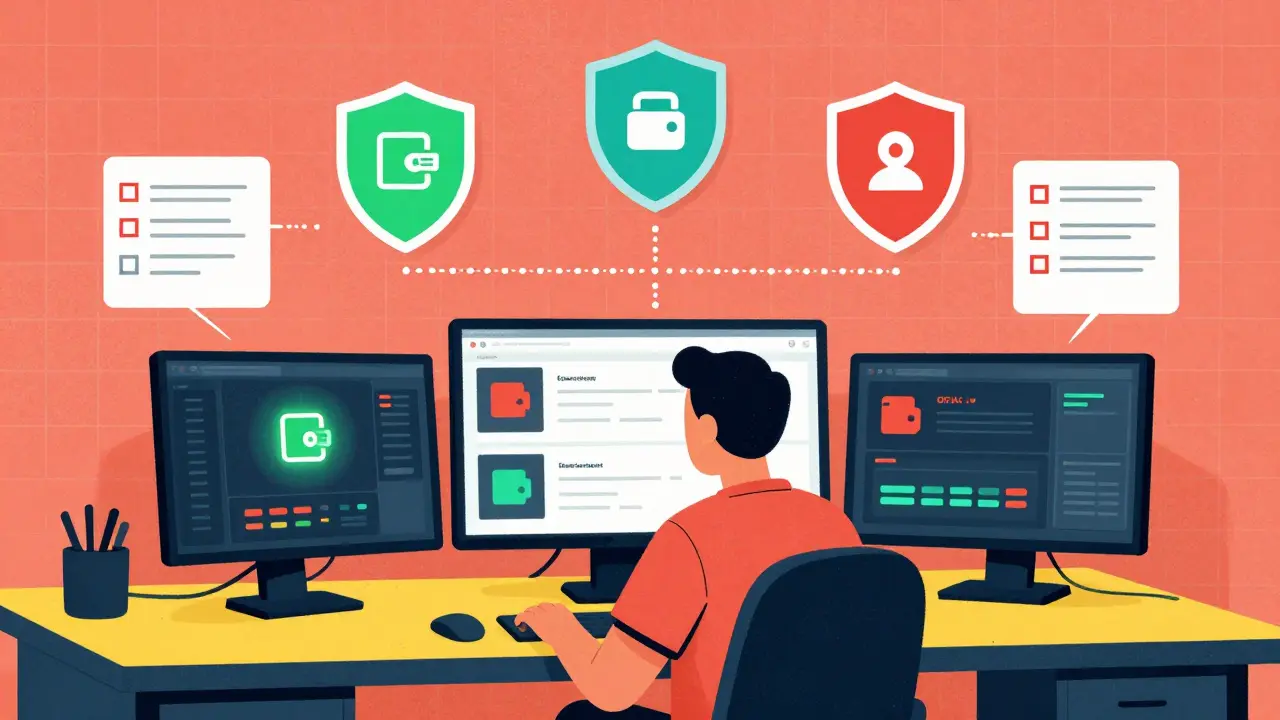
The last thing any crypto user wants is to accidentally receive funds linked to DPRK hacking operations. Even if you didn't initiate the transfer, receiving "dirty" coins can contaminate your wallet. Here is how to navigate this complex landscape safely.
First, monitor your transaction history. Many portfolio trackers now include risk scores. If you see a sudden influx of tokens from a new, unknown address, verify the source before swapping. Second, avoid centralized mixers entirely. The liability is too great. If a protocol gets banned, your funds inside it might vanish or become worthless.
Third, stick to regulated exchanges for your entry and exit points. While privacy enthusiasts dislike this, centralized exchanges perform Know Your Customer (KYC) checks. If you trade through a compliant platform, you are less likely to touch sanctioned assets.
Finally, stay updated on sanctions lists. OFAC publishes a Specially Designated Nationals (SDN) list. This includes individuals, entities, and sometimes specific blockchain addresses. Checking your wallet against this list periodically is a small step that prevents massive headaches later.
The Future of Blockchain Privacy
As we move through 2026, the tension between privacy and regulation is reaching a breaking point. Zero-knowledge proofs (ZKPs) offer a solution that could theoretically prove you paid taxes without revealing the entire transaction history. However, regulators are wary. They fear sophisticated obfuscation tools will simply replace old ones, allowing entities like North Korea to continue operating under the radar.
The industry is slowly shifting towards "permissioned privacy." This means privacy features are unlocked only after identity verification. While this sounds contradictory to the ethos of decentralized finance, it is the path most institutions are taking to remain legal. Until clearer global standards emerge, caution remains your best policy.
Are cryptocurrency mixers illegal?
Using mixers is not universally illegal, but specific services have been sanctioned by OFAC. Using a sanctioned mixer to hide funds violates anti-money laundering laws and can result in asset freezes or criminal charges.
Can I get in trouble for holding mixed coins?
Possibly. If you attempt to cash out mixed coins from a sanctioned source on a regulated exchange, your funds may be blocked and reported to authorities for investigation.
Do North Korean hackers actually use mixers?
Yes. Forensic analysis links several billion-dollar heists to mixer usage. Groups like the Lazarus Group often route stolen crypto through tumblers to disconnect it from the original victim wallet.
What is the difference between a tumbler and a mixer?
They are synonymous terms. Both describe services that obscure the source of funds. Some purists prefer 'tumbler' for coin shuffling and 'mixer' for automated services, but legally they are treated similarly.
How can I check if my coins are clean?
Use blockchain analytics tools offered by major exchanges or third-party services like Chainalysis. They scan the history of your wallet against known illicit addresses to determine risk status.