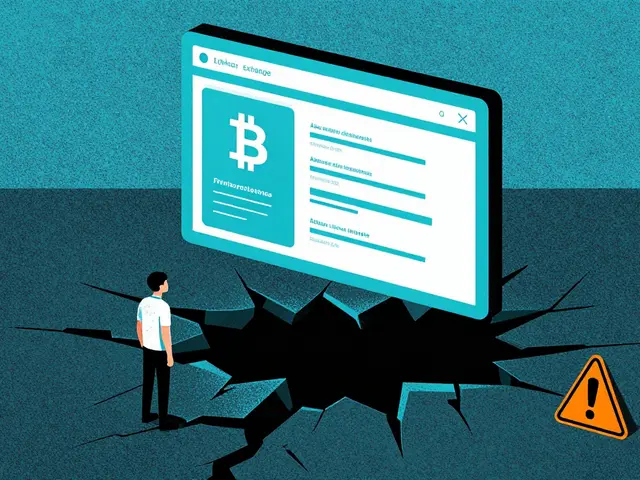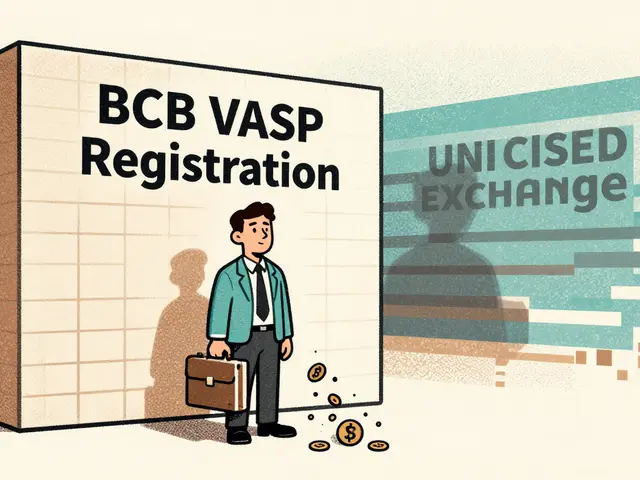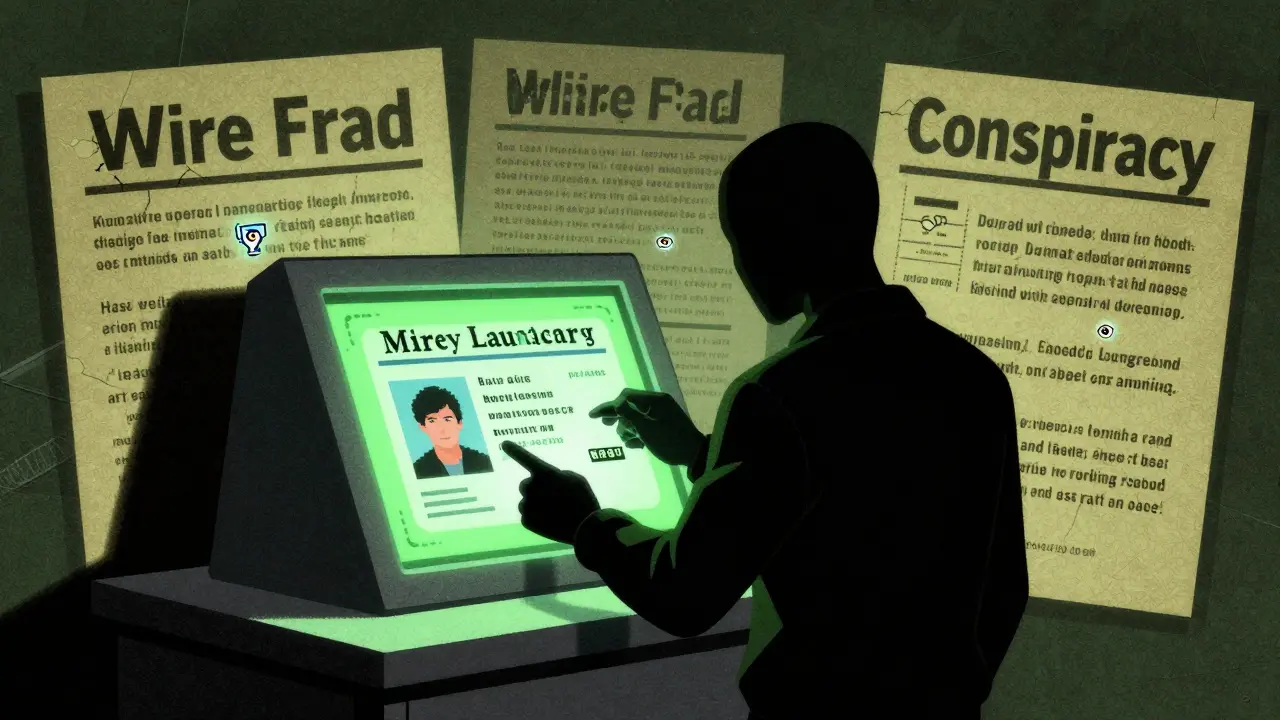
Using fake documents to get into a cryptocurrency exchange isn’t just a hack-it’s a federal crime. People think they’re outsmarting systems, but they’re walking straight into a web of federal charges that can land them in prison for decades. This isn’t some underground myth. It’s happening right now, and the penalties are real, severe, and getting worse every year.
How Document Forgery Works in Crypto
Most crypto exchanges require you to prove who you are before you can trade. This is called KYC-Know Your Customer. It’s not optional. It’s required by law. Fraudsters don’t just submit a fake ID. They build full identity packages: government-issued IDs, utility bills, bank statements, and even AI-generated videos that mimic blinking, speaking, and turning their head during live verification.
On dark web marketplaces, these complete fraud kits sell for $15 to $500. Some include deepfake videos created from stolen photos, using AI to animate facial movements so convincingly that basic automated systems accept them. These aren’t blurry Photoshop jobs anymore. They’re high-fidelity forgeries designed to slip past machine learning models trained to spot fakes.
What makes this dangerous is how targeted it is. Fraudsters don’t just fake documents-they study which exchanges have weak verification. They test their fake IDs on platforms with poor AI detection, then move to bigger ones once they’ve proven the documents work. This isn’t random. It’s a calculated, evolving operation.
Federal Crimes You Didn’t Realize You Were Committing
When you use forged documents to access a crypto exchange, you’re not just breaking exchange rules. You’re violating federal law. The U.S. government treats this as wire fraud, securities fraud, and money laundering-all serious white-collar crimes.
Here’s what you could be charged with:
- Wire fraud: Using electronic communication (like an exchange’s website) to carry out a scheme to defraud. Each transaction counts as a separate count.
- Securities fraud: If you use fake identity to buy or sell crypto assets that are considered securities under SEC rules, you’re committing securities fraud.
- Money laundering: Moving crypto through accounts created with fake IDs to hide the origin of funds. Even if you didn’t steal the crypto, just moving it through a fake account can trigger this charge.
- Conspiracy: If you worked with others to create or use fake documents, you’re part of a criminal conspiracy-even if you didn’t directly handle the documents yourself.
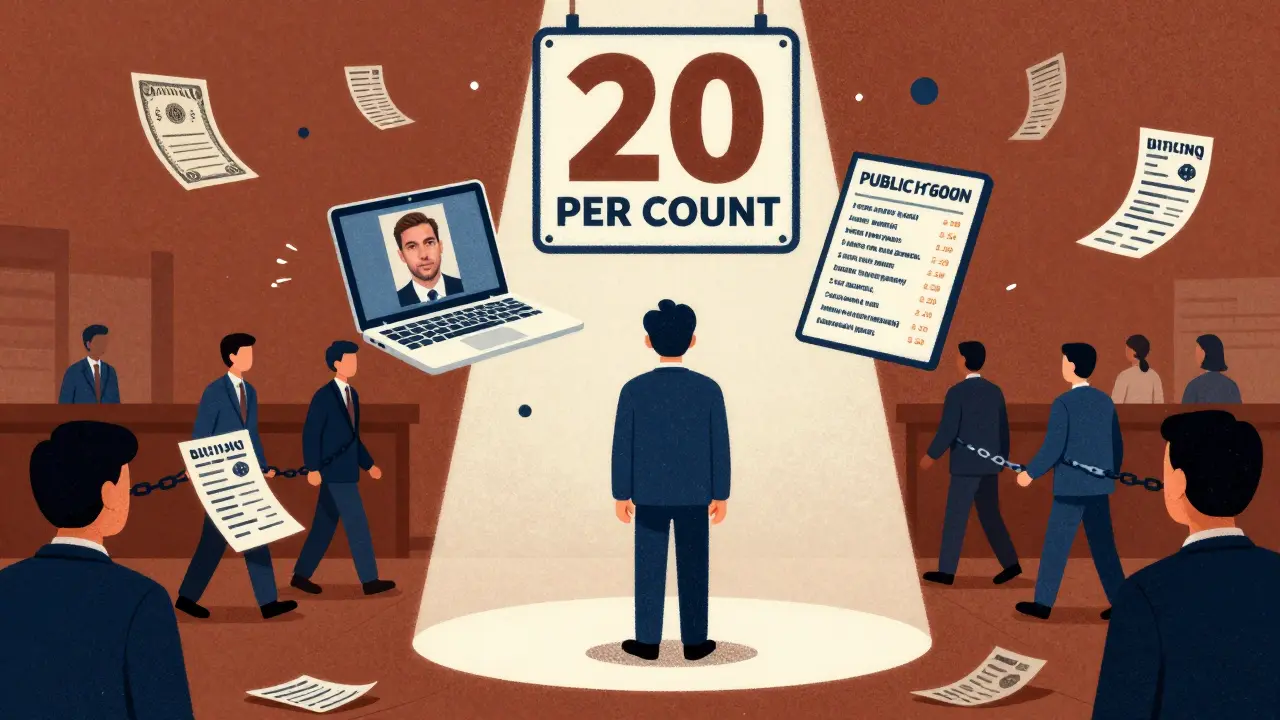
Each of these charges carries a maximum penalty of up to 20 years in federal prison. And prosecutors don’t stop at one charge. They stack them. Someone caught using forged documents to access $500,000 worth of crypto could face 60+ years if convicted on multiple counts.
Exchanges Aren’t Just Victims-They’re Targets
It’s easy to think exchanges are just being hacked. But regulators see it differently. If an exchange allows fake accounts to operate, it’s not just bad luck-it’s negligence.
The Department of Justice and FinCEN expect exchanges to have multi-layered verification. That means:
- Document authenticity checks using AI that scans for lighting inconsistencies, font mismatches, and micro-print errors invisible to humans
- Biometric liveness detection-proving the person in the video is real-time, not a pre-recorded loop
- Cross-referencing with government databases (like Social Security or DMV records)
- Behavioral risk scoring-flagging accounts that show patterns linked to past fraud
Exchanges that skip these steps risk massive fines. Kraken paid $7 million in 2022 to settle OFAC sanctions violations after allowing accounts tied to sanctioned entities to operate. That wasn’t a hacker breach-it was a compliance failure. The same logic applies to document forgery. If an exchange doesn’t verify identities properly, regulators treat it as enabling fraud.
How Detection Has Changed-And Why It’s Getting Harder to Cheat
Five years ago, a fake driver’s license might have slipped through. Today? Almost impossible.
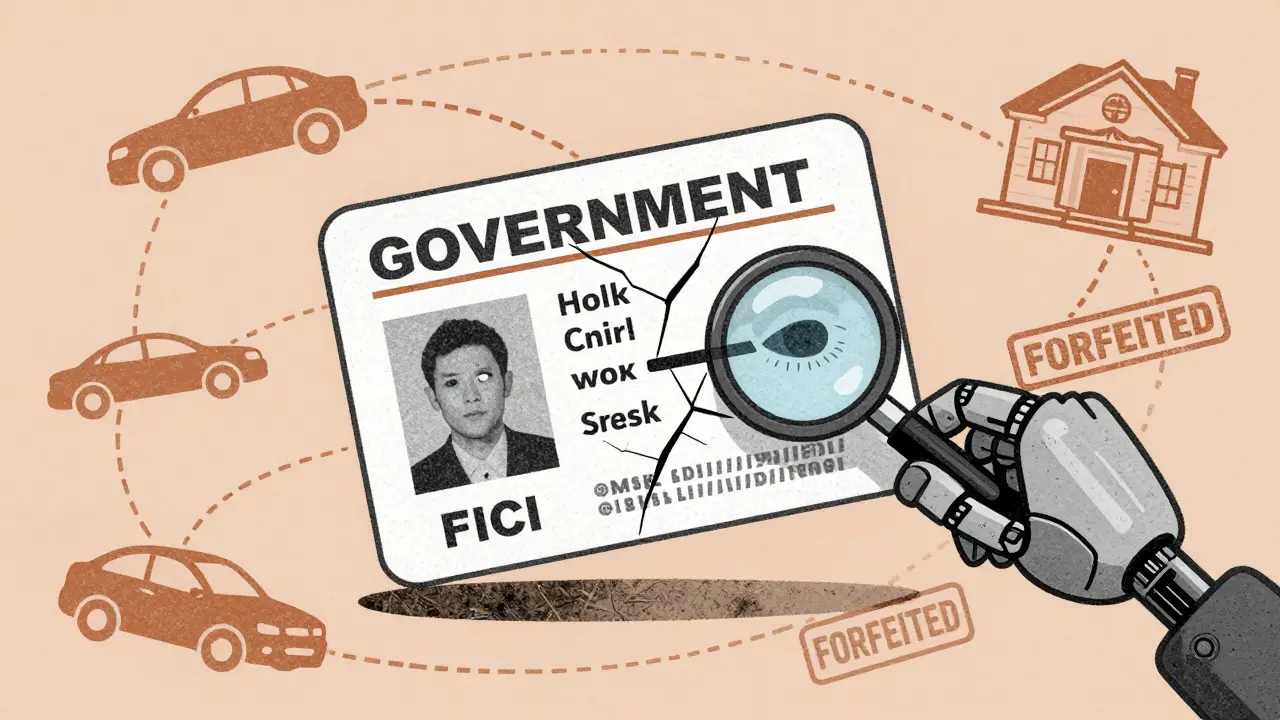
Modern KYC systems don’t just look at the document. They analyze every pixel. They check:
- Reflection patterns in the eyes-real eyes reflect ambient light differently than AI-generated ones
- Blinking rhythm-humans blink irregularly; AI blinks too evenly
- Texture noise-real paper has microscopic fibers; digital scans lack this
- Font spacing-government IDs use specific typefaces with exact kerning. AI often gets it slightly wrong
These systems learn from every fraud attempt. When one fake ID is caught, the system updates its detection model. That means the next fraudster using the same method gets caught faster. It’s a never-ending arms race-and the fraudsters are falling behind.
Some exchanges now require three independent verification layers: document scan, live video, and a third-party ID database check. If any one fails, the account is blocked. No exceptions.
Why You Can’t Just “Get Away With It”
People think, “I’ll just use a fake name, trade a little, and cash out.” But crypto isn’t anonymous. Every transaction is recorded on a public ledger. Once law enforcement connects a fake account to a real wallet, they trace every coin movement. They don’t need to prove you stole the crypto-they just need to prove you lied to get in.
Prosecutors don’t need to show you sold stolen crypto. They only need to prove you knowingly used fake documents to bypass KYC. That’s enough for a conviction. And once you’re flagged, your digital footprint-social media, IP logs, device fingerprints-gets tied to the fraud. Your phone, laptop, and even your home Wi-Fi can become evidence.
Asset forfeiture is real. If you used fake documents to access $100,000 in crypto, the government can seize your bank accounts, cars, and even your home if they believe those assets were bought with proceeds from the fraud.
The Bigger Picture: Why This Matters Beyond You
This isn’t just about one person cheating the system. Document forgery undermines trust in crypto as a whole. When exchanges get flooded with fake accounts, they’re forced to tighten rules for everyone. That means longer onboarding, more invasive checks, and slower transactions.
Regulators are watching. The SEC and FinCEN are pushing for mandatory AI-based verification standards. In 2025, new rules will require exchanges to use third-party forensic tools for document validation. If you’re a user, you’ll feel it. If you’re a platform, you’ll have no choice but to comply-or face shutdown.
The message is clear: the era of easy fraud is over. The tools to catch you are better than ever. The penalties are harsher than ever. And the legal system is no longer treating this as a gray-area issue-it’s a federal crime with real jail time.
What Happens If You’re Caught?
Let’s say you’re arrested. Here’s what you’re likely to face:
- Immediate seizure of all crypto in your exchange accounts
- Freezing of bank accounts linked to the exchange
- Interviews with federal agents-anything you say can be used against you
- A grand jury indictment if evidence is strong enough
- Pre-trial detention if the court sees you as a flight risk
- Plea deal or trial-with sentencing based on loss amount, number of victims, and sophistication of the fraud
Even if you didn’t steal money, just trying to get in with fake docs can trigger an investigation. And once you’re in the system, it’s nearly impossible to disappear.
Is it illegal to use a fake ID to sign up for a crypto exchange?
Yes. Using any forged government document-driver’s license, passport, utility bill-to create a crypto account is a federal crime. It falls under wire fraud and identity fraud statutes. Even if you don’t trade, just submitting the fake document is enough for prosecution.
Can I avoid punishment if I didn’t steal any crypto?
No. You don’t need to steal money to be charged. The crime is the act of deception to gain access. Prosecutors only need to prove you knowingly used fake documents to bypass KYC. That’s a standalone offense under federal law.
Do all crypto exchanges report suspicious activity?
Yes. Licensed U.S. exchanges are legally required to report suspicious activity to FinCEN under AML rules. This includes fake document submissions. Even if you’re not a U.S. citizen, if you use a U.S.-based exchange, your activity is monitored and reported.
Can AI-generated documents fool modern verification systems?
Rarely. Modern systems use deepfake detection that analyzes micro-artifacts-like unnatural eye reflections, inconsistent lighting, or AI-generated texture noise. These details are invisible to humans but easily spotted by machine learning models trained on thousands of fraud cases. Most AI-generated documents are caught on first submission.
What happens to my crypto if I’m convicted?
All crypto in accounts linked to your fraudulent access will be seized. The government can also freeze personal assets-bank accounts, vehicles, real estate-if they believe those were bought with proceeds from the fraud. Forfeiture doesn’t require a conviction-just probable cause.
Is there any legal way to bypass KYC?
No. There is no legal loophole. KYC is not optional for regulated exchanges. If you want privacy, use non-custodial wallets and peer-to-peer trading-but even then, large transactions may still trigger reporting. Trying to bypass KYC with fake documents is always illegal.