Uniswap v2 vs v3: Key Differences, Fees, and Which One Wins for Traders
When you trade crypto on a decentralized exchange, you’re probably using Uniswap, a leading decentralized exchange on Ethereum that lets users swap tokens without intermediaries. It’s not one platform—it’s two very different versions. Uniswap v2 launched in 2020 with simple, reliable liquidity pools. Uniswap v3, released in 2021, changed everything by letting traders concentrate their liquidity where prices actually move. This isn’t just an upgrade—it’s a complete shift in how capital works on-chain.
Uniswap v2 treats liquidity like a blanket spread evenly across all prices. If you add ETH and USDC to a pool, your money supports trades from $100 to $5,000 per ETH. That’s safe, but inefficient. Most trades happen between $1,800 and $2,200. So you’re tying up 80% of your capital where no one’s trading. Uniswap v3 fixes this with concentrated liquidity, a feature that lets liquidity providers set custom price ranges for their funds. Instead of spreading thin, you choose where your money works hardest. This means higher returns for the same capital—or the same returns with less money locked up. But it’s not free: you need to monitor your range. If the price moves outside it, your liquidity stops earning fees until you adjust it.
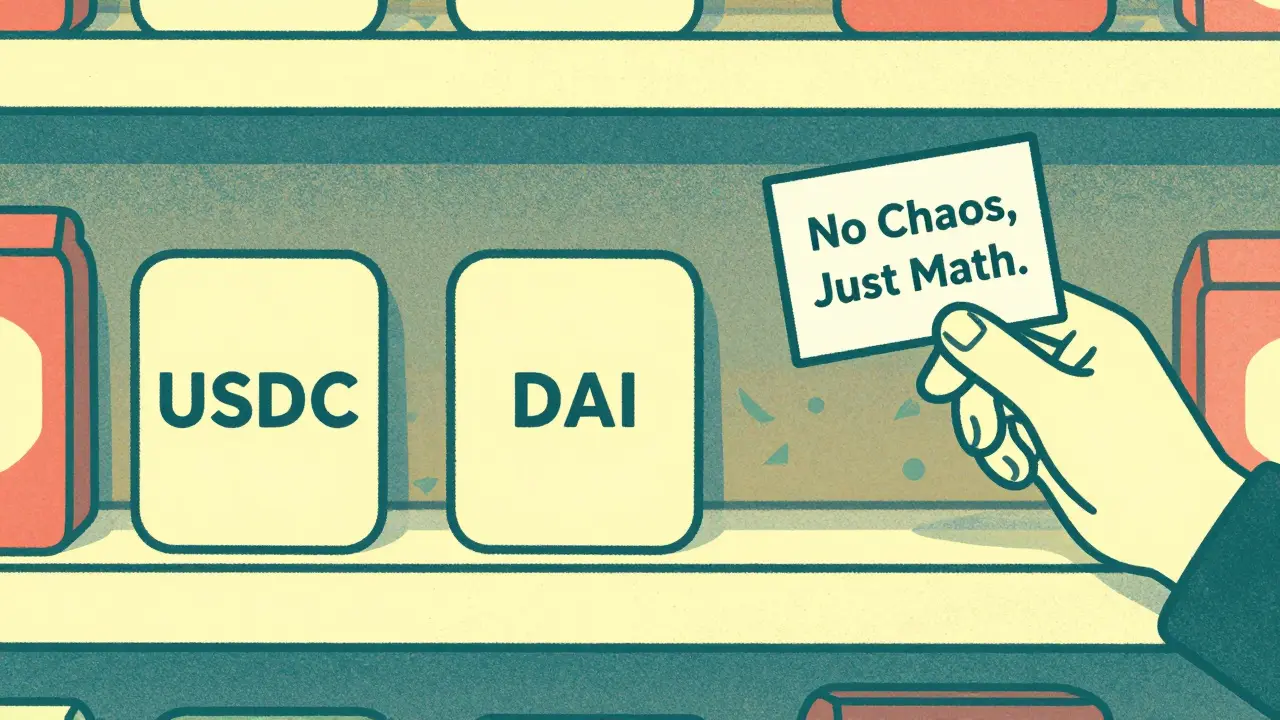
Then there’s the fee structure. Uniswap v2 had one fee tier: 0.3%. Uniswap v3 introduced 0.01%, 0.05%, 0.3%, and 1% tiers. This lets you match fees to volatility. Stablecoin pairs like USDC/DAI? Use 0.01%. High-risk memecoins? Go with 1%. This precision is why professional liquidity providers now dominate v3. But for beginners? v2’s simplicity still has value. You don’t need to track ranges. You don’t need to rebalance. You just deposit and forget. The trade-off? Lower returns. And with most volume shifting to v3, slippage and depth are better there too.
Uniswap v3 also changed how liquidity pools, the smart contracts that hold paired tokens and enable automated trading. work behind the scenes. v3’s pools are more complex, supporting multiple fee tiers per pair. This means more data to analyze, more gas to pay when adjusting positions, and more room for mistakes. But it also means better price discovery and tighter spreads for traders. If you’re buying or selling regularly, you’ll notice the difference—less slippage, faster fills.
So which should you use? If you’re a casual trader swapping tokens once a month, v2 still works fine. But if you’re active, care about fees, or want to earn yield on your crypto, v3 is where the action is. It’s not just the future—it’s already the present. Most of the trading volume, liquidity, and innovation lives in v3. The old version? It’s still up, but it’s fading. And if you’re thinking about providing liquidity, v3 gives you control. But control means responsibility. You’re not just a provider anymore—you’re a market maker. And that changes everything.
Uniswap v2 (World Chain) Crypto Exchange Review: Simple, Limited, and Niche
Uniswap v2 (World Chain) is a simplified, low-fee decentralized exchange with only three tokens and 20 trading pairs. Ideal for stablecoin swaps and beginners, but lacks variety and advanced features. Not for traders seeking volume or altcoins.
View More