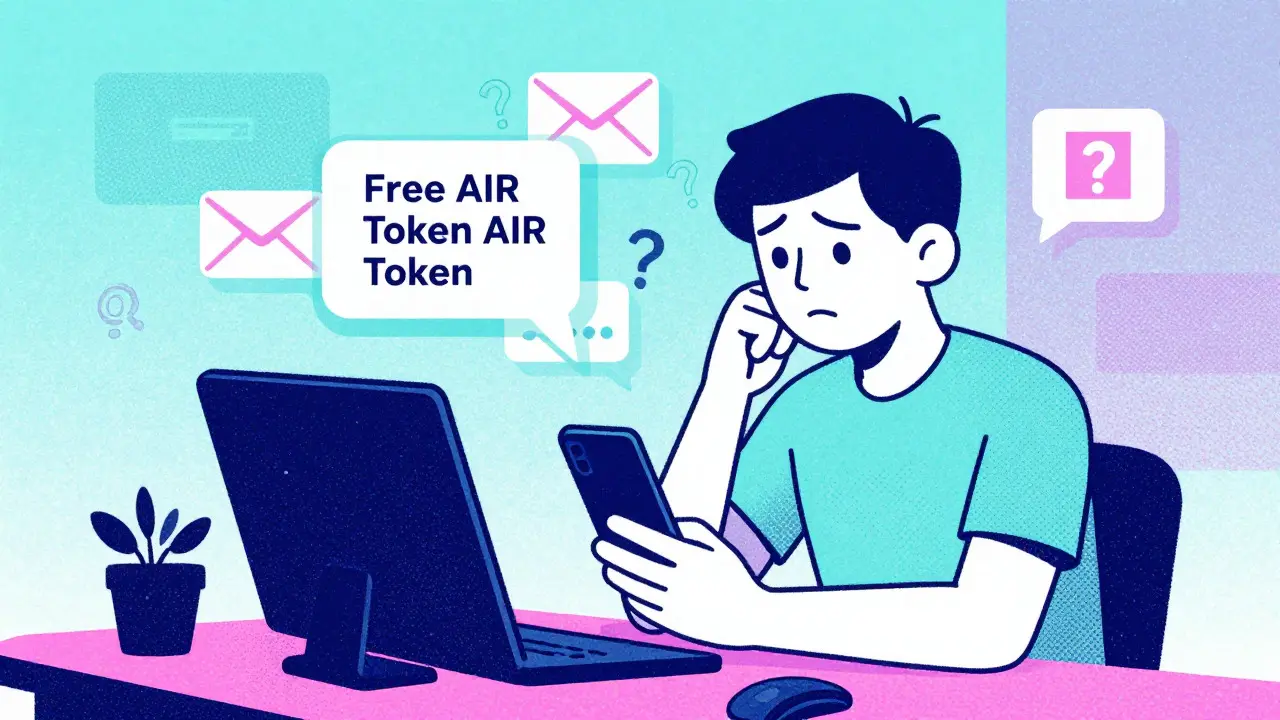
You’ve seen the posts on Twitter. You’ve checked your email inbox for that "exclusive invite." The promise is always the same: free tokens, huge potential gains, and a project called AirCoin (AIR) looking to reward early adopters. But here is the hard truth that most hype-driven headlines ignore: there is currently no credible, verifiable information about an official AirCoin (AIR) airdrop from any major blockchain platform.
In the world of cryptocurrency, silence from authoritative sources is often louder than noise. When you look at established trackers like CoinGecko, CoinMarketCap, or reputable news outlets like Coindesk, the name "AirCoin" doesn't show up in the list of legitimate upcoming distributions. This absence isn't an oversight; it’s a massive red flag. Before you connect your wallet or sign a transaction, you need to understand why this specific project should trigger your internal alarm bells.
The Silence of Authoritative Sources
When a legitimate project prepares for a token distribution, they don’t hide. They publish whitepapers, audit reports, and clear roadmaps. Projects like Abstract Chain, Jupiter, or Berachain have detailed public records because they are built by teams with skin in the game. Their development activity is visible on GitHub, their social channels are active with real community engagement, and their tokenomics are transparent.
Contrast that with AirCoin. If you search for "AirCoin airdrop details," you won’t find a link to an official website hosted on a secure domain. You won’t find a verified handle on X (formerly Twitter) with a blue checkmark linking to a Discord server with thousands of active members discussing technical features. Instead, you likely found this topic through a vague social media post or an unsolicited message. In 2026, where transparency is the baseline for trust, a project without a digital footprint is essentially a ghost-and ghosts in crypto usually want something from you.
| Feature | Legitimate Project (e.g., Optimism, JUP) | Suspicious Claim (e.g., Unverified AirCoin) |
|---|---|---|
| Official Website | Secure HTTPS, professional design, team bios | Missing, broken links, or generic template sites |
| Social Presence | Verified accounts, high engagement, consistent history | New accounts, bot-like comments, no verification |
| Token Contract | Published on Etherscan/Solscan, verified source code | No contract address, or contract allows owner to mint infinite tokens |
| Tracking Platforms | Listed on CoinGecko, CoinMarketCap, DefiLlama | Absent from all major tracking platforms |
| Requirements | Simple tasks: follow, retweet, join Discord | Complex tasks: connect wallet, sign unknown transactions, send ETH first |
How Fake Airdrops Steal Your Crypto
Why would anyone create a fake airdrop? Simple: greed. Scammers know that the word "free" triggers a psychological response. They use the allure of easy money to bypass your critical thinking. The mechanism behind these scams is surprisingly sophisticated, even if the premise is simple.
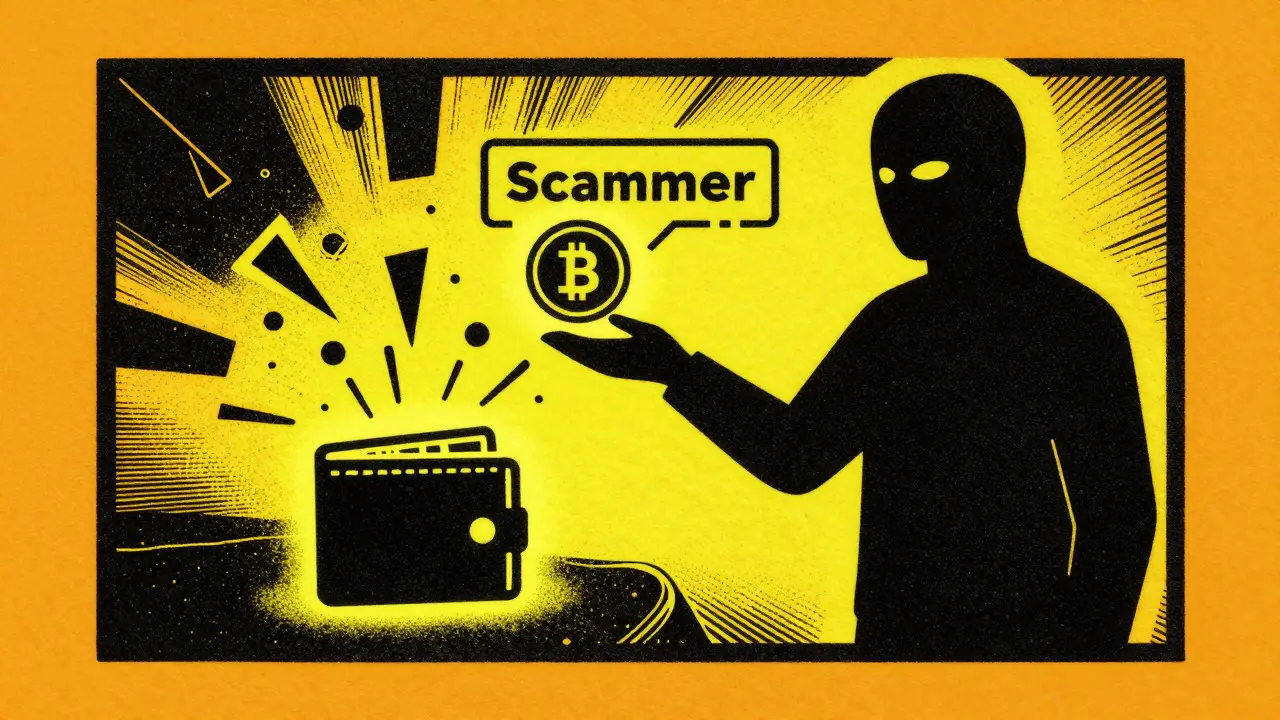
The most common trap is the "Connect Wallet" phishing attack. You visit a landing page claiming to be the AirCoin distribution portal. It looks professional enough. It asks you to connect your MetaMask or Phantom wallet to "verify eligibility." Once connected, you’re asked to sign a transaction. Most users just click "Sign" without reading the fine print. That signature might not be for a claim; it could be an approval allowing the scammer’s smart contract to spend unlimited amounts of your existing assets. Within seconds, your Ethereum, Solana, or USDC balance is drained.
Another variant is the "Gas Fee" scam. The site tells you that to receive your free AIR tokens, you must pay a small network fee. You send 0.01 ETH. Nothing happens. Or worse, the token you receive is worthless-a duplicate token created by the scammer that has no liquidity and cannot be sold. You’ve lost your gas fee, and now you hold digital paper.
Red Flags: How to Spot a Fraudulent Project
You don’t need to be a blockchain developer to spot a scam. You just need to know what to look for. Here are the specific signs that indicate a project like the alleged AirCoin is likely fraudulent:
- Urgency and Exclusivity: Phrases like "Last chance," "Only 100 spots left," or "Early bird access ending soon" are designed to make you act fast before you think. Legitimate projects have clear timelines, not panic-inducing deadlines.
- Poor Grammar and Spelling: While some scams are well-written, many still contain awkward phrasing or spelling errors. Professional crypto teams invest in marketing; scammers often copy-paste templates.
- Anonymous Teams: If the founders are completely anonymous with no LinkedIn profiles, no past project history, and no public appearances, proceed with extreme caution. In 2026, doxxed teams are the standard for credibility.
- Unverified Social Media: Check the creation date of the Twitter or Telegram account. If it was created last week but claims to have been developing for two years, it’s a lie. Look at the followers-are they real people with profiles, or empty accounts with random names?
- Requests for Private Keys: No legitimate service will ever ask for your private key or seed phrase. If a site asks for this, close the tab immediately.
Steps to Verify Any Crypto Project
Before you engage with any airdrop, whether it’s AirCoin or another new token, run it through this verification checklist. It takes five minutes and can save you thousands of dollars.
- Check Major Aggregators: Go to CoinGecko or CoinMarketCap. Search for the token name. If it’s not listed, or if the listing says "Upcoming" with no verified data, treat it as suspicious. For AirCoin, the lack of presence here is a primary indicator of illegitimacy.
- Inspect the Smart Contract: If a contract address is provided, paste it into a block explorer like Etherscan (for Ethereum) or Solscan (for Solana). Look for the "Verified Source Code" tag. If it’s unverified, you can’t see what the code does. Also, check who owns the contract. Can the owner mint new tokens? Can they pause trading? If yes, it’s a rug pull waiting to happen.
- Analyze Community Sentiment: Join the project’s Discord or Telegram. Don’t just read the announcements; ask questions. Are the responses helpful, or are they repetitive bots? Are real people discussing the technology, or is everyone just spamming "To the moon!"?
- Search for Negative News: Google "[Project Name] scam" or "[Project Name] review." Sometimes, other users have already done the work for you. Reddit threads are particularly useful for uncovering hidden issues.
- Use a Burner Wallet: Never connect your main wallet holding your life savings to an unverified dApp. Use a separate wallet with only a small amount of funds dedicated to testing new protocols. If it gets drained, your financial impact is minimal.
The Psychology Behind the Hype
Why do we fall for these scams? It’s not because we’re stupid; it’s because our brains are wired to seek rewards and avoid losses. The concept of FOMO (Fear Of Missing Out) is powerful. When you see others claiming to have received free tokens, you feel like you’re losing out on an opportunity. Scammers exploit this emotional vulnerability.
Additionally, the complexity of blockchain technology creates an information asymmetry. Many users don’t fully understand how smart contracts work, so they trust the interface they see. If the website looks good, they assume the backend is secure. This trust is misplaced. In crypto, trust is earned through code audits and time, not through flashy websites.

What To Do If You Already Connected Your Wallet
If you’ve already interacted with a suspicious AirCoin site, don’t panic, but act quickly. First, check your transaction history on the relevant block explorer. Did you approve any spending limits? If so, use a tool like Revoke.cash to revoke those approvals. This prevents the scammer from draining your assets later. Second, move any remaining funds from that wallet to a fresh, clean wallet. Consider the old wallet compromised. Finally, monitor your addresses for any unusual activity.
Conclusion: Patience Pays Off in Crypto
The crypto space moves fast, but rushing into unverified opportunities is a recipe for disaster. The lack of credible information surrounding the AirCoin (AIR) airdrop suggests it is either a very early-stage project with zero traction or, more likely, a scam. Given the current landscape in 2026, where security is paramount, it is safer to assume it is a scam until proven otherwise by multiple independent, authoritative sources.
Focus your energy on projects with transparent teams, audited code, and active communities. There will always be another airdrop. There won’t always be another chance to recover stolen funds. Stay skeptical, stay safe, and never let greed override your judgment.
Is AirCoin (AIR) a legitimate cryptocurrency?
As of August 2026, there is no credible evidence that AirCoin (AIR) is a legitimate cryptocurrency. It is not listed on major tracking platforms like CoinGecko or CoinMarketCap, and there are no verified smart contracts or official team disclosures. Proceed with extreme caution.
How can I tell if an airdrop is a scam?
Look for red flags such as unverified social media accounts, requests for private keys, urgency tactics, and the absence of the project on major crypto aggregators. Always check the smart contract on a block explorer and use a burner wallet for interactions.
What should I do if I connected my wallet to a fake airdrop site?
Immediately revoke any token approvals using a tool like Revoke.cash. Move your remaining funds to a new, secure wallet. Monitor your transaction history for unauthorized transfers and consider the original wallet compromised.
Are there any legitimate airdrops happening in 2026?
Yes, several legitimate projects continue to offer airdrops, such as those from established Layer 2 solutions and DeFi protocols. Always verify these through official channels and reputable tracking sites like CoinGecko or specialized airdrop calendars.
Why is AirCoin not listed on CoinGecko?
CoinGecko requires projects to meet strict criteria regarding liquidity, trading volume, and community activity. The absence of AirCoin suggests it lacks these fundamental metrics, indicating it may be inactive, illiquid, or non-existent.