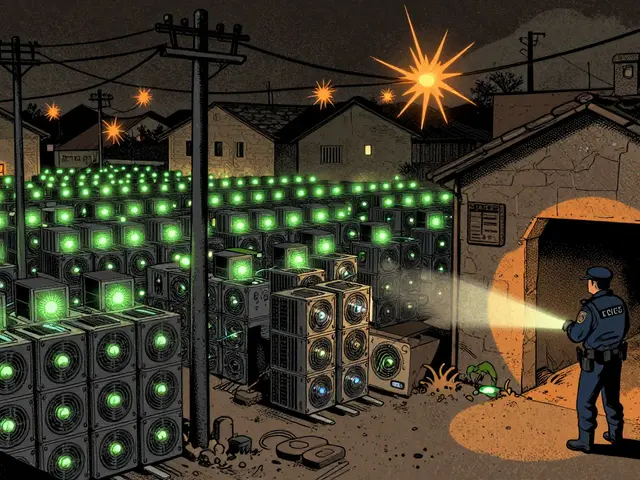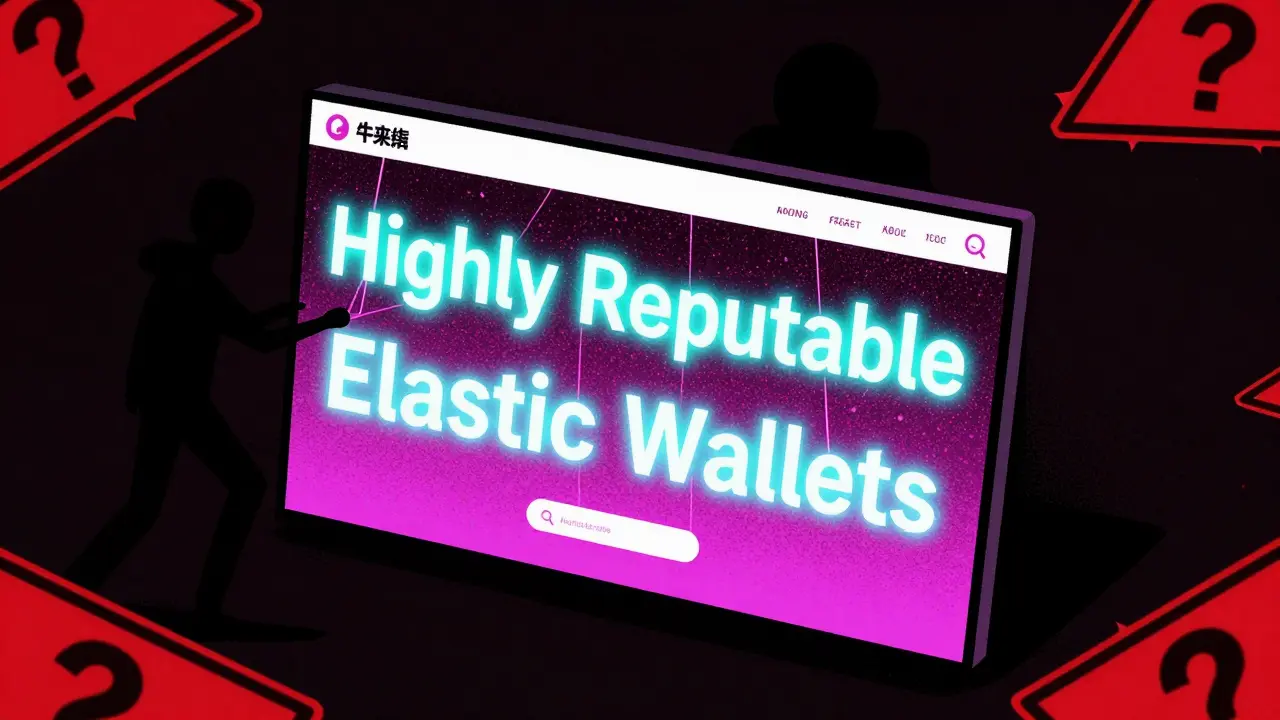
You’ve probably seen the ads or stumbled upon comparison sites claiming Colodax is a "highly reputable" place to trade Bitcoin. The language sounds professional. The promises sound too good to be true. And honestly? That’s your first warning sign.
If you are looking for a quick verdict: **Do not deposit money into Colodax.** Based on a deep dive into available data as of June 2026, there is zero credible evidence that Colodax operates as a legitimate, secure, or regulated cryptocurrency exchange. Instead, it exhibits every major red flag associated with fake crypto platforms and exit scams.
This isn’t just about missing features; it’s about the complete absence of reality behind the brand. In this guide, I’ll break down exactly why Colodax fails basic scrutiny, how these fake exchanges operate, and-more importantly-which proven platforms you should use instead to keep your assets safe.
The Silence Speaks Volumes: Why There Is No Real Data
When evaluating a financial platform, transparency is non-negotiable. Legitimate exchanges like Coinbase, Kraken, or Binance publish regular reports, host active customer support teams, and maintain verifiable social media presences. Colodax has none of this.
I searched through industry databases, regulatory filings, and user forums. Here is what I found-or rather, what I didn’t:
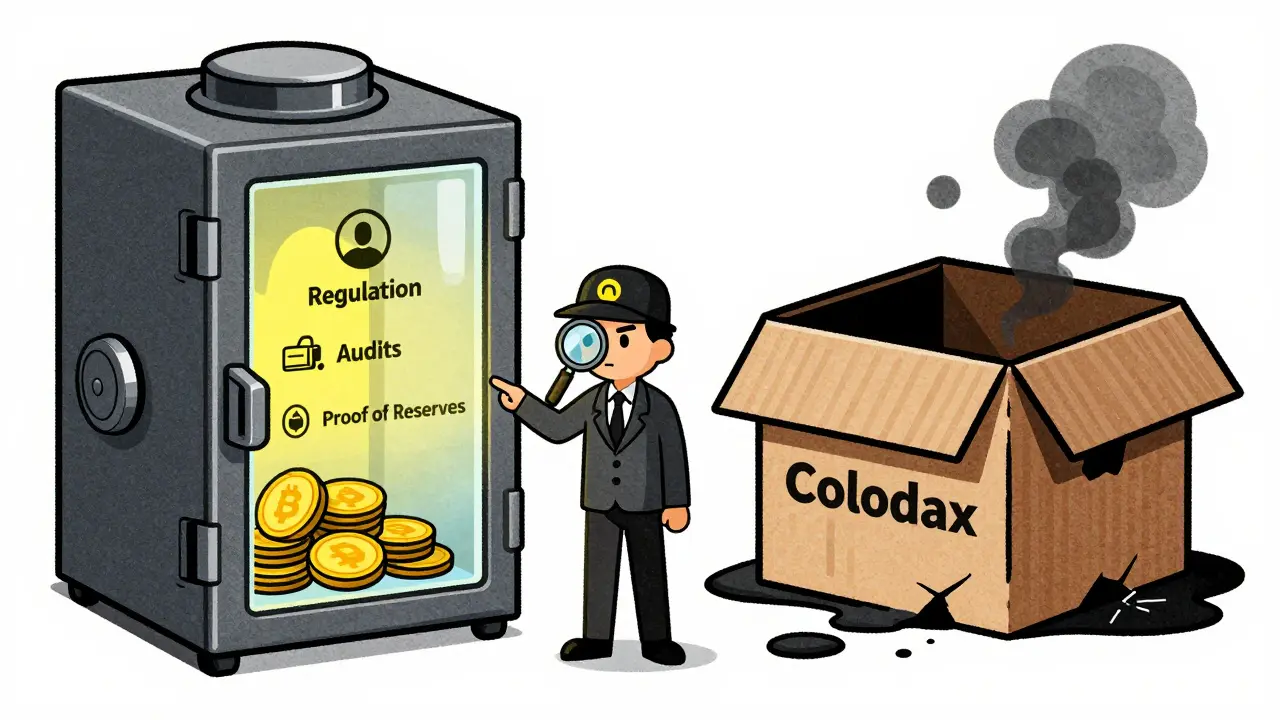
- No Regulatory Licenses: There is no record of Colodax holding a BitLicense in New York, being registered with FinCEN in the US, or complying with EU MiCA regulations. Operating without these licenses in major markets is illegal for most retail trading activities.
- No Independent Audits: Reputable firms like Kudelski Security or Deloitte do not list Colodax among their clients. Without third-party security audits, you have no proof that their code is safe from exploits.
- No Proof of Reserves: Since the collapse of FTX, the industry standard is monthly Proof of Reserves (PoR) attestations. Colodax publishes nothing. You cannot verify if they actually hold the funds they claim to manage.
- No User Community: A search on Reddit, Trustpilot, or Twitter yields no genuine user discussions. The only "reviews" appear on generic SEO-farm websites using identical, robotic marketing copy.
This silence is not accidental. It is a hallmark of a shell company designed to disappear once users deposit funds.
Analyzing the Marketing Hype vs. Technical Reality
Fake exchanges often use buzzwords to sound sophisticated. Let’s look at the specific claims made by sites promoting Colodax and compare them to industry standards.
| Claim Made by Promoters | What It Actually Means | Legitimate Standard |
|---|---|---|
| "Elastic, multi-stage wallet strategy" | Vague jargon with no technical definition. | Cold storage of 95-98% of assets in air-gapped hardware wallets (e.g., Ledger, Trezor integration). |
| "Two-factor authentication for all users" | Basic requirement, but method unspecified. | Support for TOTP (Google Authenticator) and hardware keys (YubiKey), not just SMS which is vulnerable to SIM swapping. |
| "Highly reputable" | Subjective opinion with no citation. | Years of operational history, public legal entity details, and positive ratings on independent platforms like Trustpilot. |
| "Reliable security technologies" | Generic marketing fluff. | Regular penetration testing by firms like Kudelski Security, bug bounty programs on HackerOne, and encryption standards (AES-256). |
Notice the pattern? The claims are broad enough to be technically true for any computer system but specific enough to sound impressive to a novice. A real exchange would specify *which* security protocols they use. They would name their auditor. They would link to their license number. Colodax does none of this because it has nothing to show.
How These Fake Exchanges Operate
Understanding the mechanics of a crypto scam helps you spot them faster. Platforms like Colodax typically follow a predictable lifecycle known as an "exit scam."
- SEO Spamming: The operators create dozens of articles on low-quality tech blogs (like certain pages on Slashdot or SourceForge mirrors) claiming their exchange is "top-rated." This boosts their visibility in search engines for people typing "best new crypto exchange."
- The Illusion of Liquidity: If you manage to log in, you might see price charts moving. These are often fake. The platform is not connected to real global markets. You can "buy" Bitcoin, and your balance will go up. But this number is just pixels on a screen.
- The Withdrawal Block: When you try to withdraw your profits, the site will suddenly require "verification fees," "tax payments," or "security deposits." Once you pay these, they may ask for more. Or, they may simply freeze your account indefinitely.
- The Vanishing Act: After harvesting enough funds from victims who tried to withdraw, the domain expires, the website goes offline, and the operators move on to a new brand name.
This is not speculation. This is the documented behavior of hundreds of fraudulent platforms since 2017. The Cloud Security Alliance (CSA) explicitly warns that crypto exchanges are a "major pain point" for security, and legitimate players invest millions in compliance to avoid becoming part of this cycle.
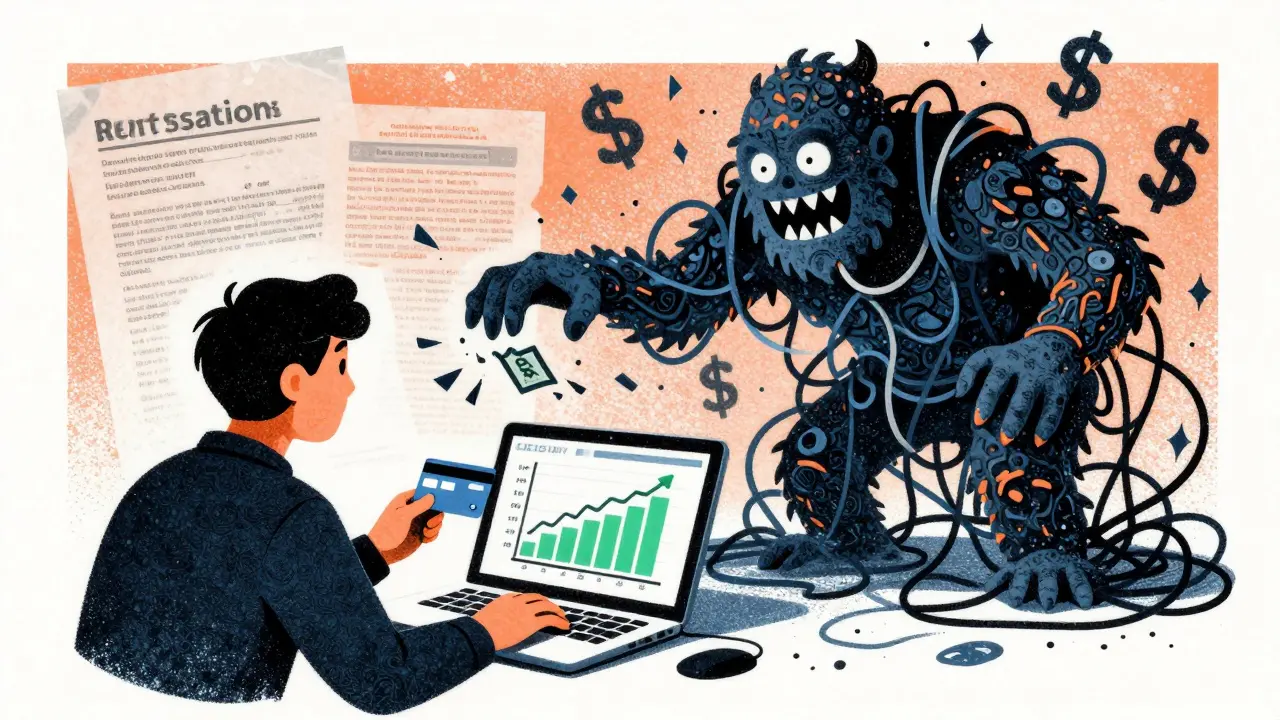
Safety Checklist: How to Verify Any Exchange
Before you trust any platform with your savings, run it through this five-point checklist. If a platform fails even one of these, walk away.
- Check Regulatory Status: Visit the official regulator’s website (e.g., SEC.gov in the US, FCA.uk in the UK). Search for the exchange name. If they are not listed, they are likely operating illegally or offshore with no recourse for you.
- Verify Social Presence: Look for a Twitter/X account with thousands of followers and real-time engagement. Check Reddit for r/CryptoCurrency threads discussing the platform. If the only mentions are from bots or paid promoters, it’s a scam.
- Look for Proof of Reserves: Does the exchange publish a Merkle Tree proof allowing you to verify your specific balance against their total holdings? If not, assume they don’t have your money.
- Test Customer Support: Send a detailed question via live chat or email. Legitimate exchanges respond within hours. Scams often use automated replies or ignore messages entirely until you deposit money.
- Search for "Scam" Reports: Type "[Exchange Name] scam" or "[Exchange Name] withdrawal issues" into Google. Read the negative reviews. Legitimate businesses have complaints; scams have panic.
Safe Alternatives: Where You Should Trade Instead
You don’t need a shady platform to trade crypto. Some of the most robust, secure, and user-friendly exchanges are fully regulated and transparent. Here are three top-tier alternatives that pass all safety checks.
1. Coinbase
Best For: Beginners and US residents. Coinbase is publicly traded on the NYSE (COIN), meaning it must adhere to strict financial reporting standards. They store 98% of customer assets in cold storage. They offer FDIC insurance for USD holdings (up to limits) and have a clear fee structure. While fees can be higher than some competitors, the peace of mind is worth it for new users.
2. Kraken
Best For: Security-focused traders and advanced users. Kraken has never been hacked since its launch in 2011. They are pioneers in publishing Proof of Reserves and offer excellent customer support. Their interface is slightly more complex than Coinbase, but they provide superior tools for margin trading and lower fees for high-volume traders.
3. Binance (or Binance.US)
Best For: Variety of coins and low fees. Binance is the largest exchange by volume globally. However, due to regulatory pressures, US users must use Binance.US, which has a smaller selection of coins but maintains strict compliance. International users benefit from deep liquidity and access to hundreds of altcoins. Always ensure you are on the correct regional site.
| Feature | Coinbase | Kraken | Binance (Global) |
|---|---|---|---|
| Regulatory Compliance | High (US Public Company) | High (Global Licenses) | Moderate (Varies by Region) |
| Cold Storage Policy | 98% Offline | Majority Offline | Multi-Sig Cold Storage |
| Proof of Reserves | Yes (Monthly) | Yes (Monthly) | Yes (Monthly) |
| User Experience | Very Easy | Moderate | Complex |
What To Do If You Already Deposited Funds
If you have already sent money to Colodax or a similar suspicious platform, act immediately. Time is critical.
- Stop Further Deposits: Do not pay any "fees" to unlock your funds. This is a secondary scam tactic.
- Document Everything: Take screenshots of your account balance, transaction IDs, emails, and chat logs. Note the exact URLs and dates.
- Contact Your Bank/Card Issuer: If you deposited via credit card or bank transfer, call them immediately. Request a chargeback for fraud. Mention that the merchant is unverified and potentially fraudulent.
- Report to Authorities:
- In the US: File a report with the FTC (reportfraud.ftc.gov) and the SEC’s Office of the Whistleblower.
- In the UK: Report to Action Fraud.
- Internationally: Contact your local cybercrime unit.
- Warn Others: Post your experience on Reddit or Trustpilot. This helps prevent others from falling victim to the same scheme.
Recovering funds from crypto scams is difficult, especially if you used cryptocurrency for the deposit, as blockchain transactions are irreversible. However, if you used fiat currency (bank transfer/credit card), banks often have mechanisms to reverse unauthorized transactions if reported quickly.
Final Thoughts: Trust But Verify
The cryptocurrency market is growing rapidly, projected to reach $15.2 billion in exchange value by 2027. With this growth comes an increase in bad actors trying to profit from confusion. Colodax is a textbook example of a platform that looks real on the surface but collapses under the slightest scrutiny.
Your digital assets are valuable. Protect them by sticking to established, regulated exchanges that have survived market crashes, regulatory scrutiny, and security tests. Don’t let flashy marketing words like "elastic wallet strategy" distract you from the basics: regulation, transparency, and community trust.
Stay skeptical. Do your research. And never invest more than you can afford to lose.
Is Colodax a legitimate crypto exchange?
No. There is no verifiable evidence that Colodax is a legitimate, regulated, or secure cryptocurrency exchange. It lacks regulatory licenses, independent security audits, proof of reserves, and genuine user reviews. It exhibits all the characteristics of a fraudulent platform or exit scam.
Why does Colodax appear on comparison websites?
Colodax appears on low-quality SEO farm sites and mirror pages of larger tech portals to manipulate search engine rankings. These articles use generic, AI-generated marketing copy to make the platform seem reputable, aiming to trick users searching for "new" or "best" crypto exchanges.
Can I withdraw my money from Colodax?
It is highly unlikely. Fraudulent exchanges often block withdrawals, demand additional "fees" to release funds, or shut down completely. If you have deposited funds, contact your bank or card issuer immediately to request a chargeback, and report the incident to local authorities.
What are the safest crypto exchanges for beginners?
For beginners, Coinbase and Kraken are widely considered the safest options. They are heavily regulated, publish regular proof-of-reserves audits, store the majority of assets in cold storage, and have large, active user communities. Binance is also popular but requires careful attention to regional regulations.
How can I identify a fake crypto exchange?
Red flags include: lack of regulatory licensing, no physical address or team information, vague security claims without audit reports, absence of genuine user reviews on independent platforms, and pressure to deposit quickly. Always verify an exchange on government regulator websites before signing up.
Does Colodax have a mobile app?
There is no verified Colodax app on the Apple App Store or Google Play Store. Be extremely cautious of any APK files or links claiming to be the Colodax app, as these may contain malware designed to steal your credentials or private keys.