Choosing where to park your digital assets is a high-stakes decision. With over 500 active exchanges globally, the market is flooded with options ranging from giants like Binance, which controls roughly 65% of spot trading volume, to smaller, less transparent platforms. CRXzone falls into the latter category. It operates with limited public documentation, unclear regulatory standing, and minimal third-party verification compared to tier-1 competitors. If you are considering moving funds to this platform, you need to look past the interface and dig into the data that matters for long-term security and cost efficiency.
The Transparency Gap: What We Know About CRXzone
CRXzone is a cryptocurrency exchange platform offering spot trading services for major coins like Bitcoin (BTC) and Ethereum (ETH), but it lacks the extensive public documentation found on established rivals. Unlike major players that publish detailed whitepapers, audit reports, and clear ownership structures, CRXzone’s founding date and corporate backing remain obscure. This opacity is a red flag for many institutional investors and cautious retail traders alike. When an exchange doesn’t clearly state who owns it or how it is regulated, you are essentially trading on trust rather than verified facts.
The platform targets retail users with basic trading functionalities. You will find standard market and limit orders, but there is no evidence of advanced features like futures, margin trading, or sophisticated order types. For day traders who rely on leverage or complex execution strategies, CRXzone offers very little. It functions more as a simple holding and swapping venue rather than a full-service trading hub. The lack of published API documentation also limits its appeal for algorithmic traders who need reliable, high-speed data feeds.
Security Infrastructure and Fund Protection
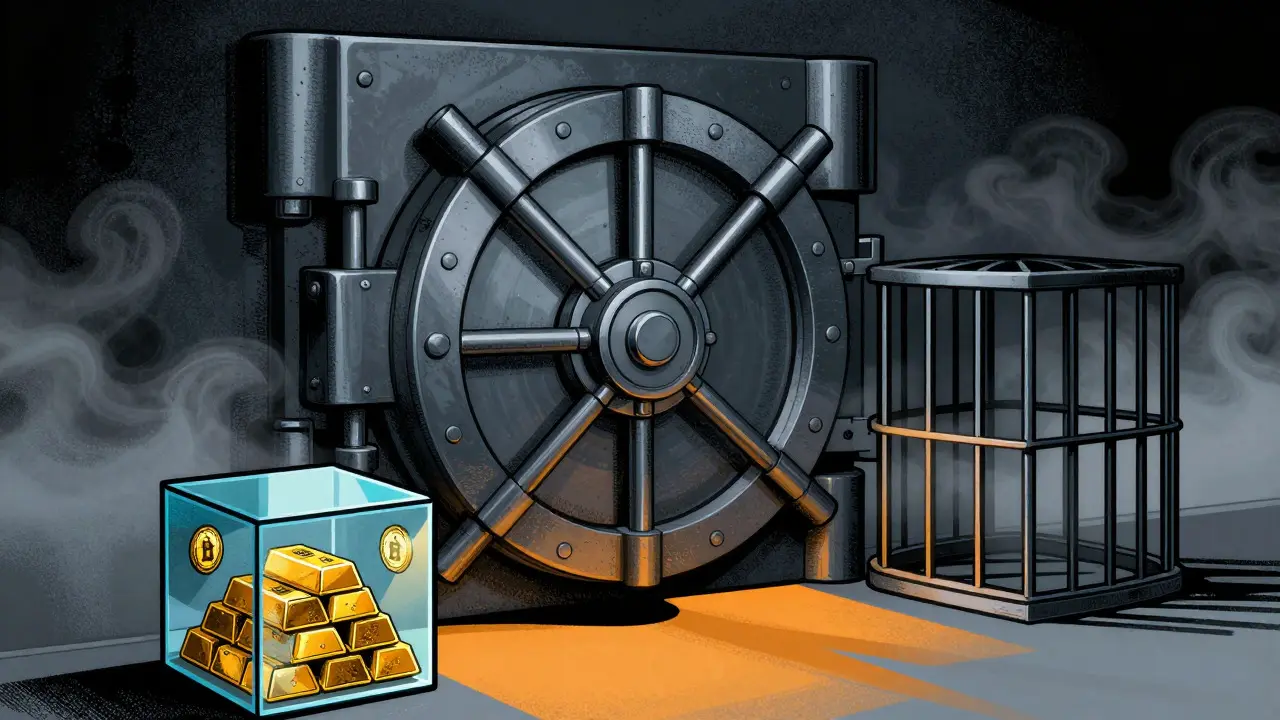
In an industry where over $3.8 billion was lost to hacks in 2022 alone, security is non-negotiable. Major exchanges mitigate risk through cold storage and insurance. Binance reports keeping over 95% of user funds in cold storage with multi-signature wallets. Coinbase goes further by maintaining FDIC insurance for USD deposits and SOC 2 Type II compliance. CRXzone, however, does not publish comparable security certifications or detailed protocols for fund protection.
- Cold Storage Ratio: Undisclosed for CRXzone; ~95% for Binance.
- Insurance Coverage: No public proof for CRXzone; FDIC available for Coinbase USD holdings.
- Audits: No recent third-party audits listed for CRXzone; regular SOC 2 and penetration tests for top-tier exchanges.
This gap means you cannot verify if your assets are safe from internal mismanagement or external cyberattacks. While absence of evidence isn't always evidence of absence, in the crypto world, silence often signals higher risk. Established exchanges treat security transparency as a marketing tool because it builds trust. CRXzone’s silence suggests either a newer operation that hasn't built its track record yet or a platform that prioritizes speed over rigorous compliance.
Fee Structure and Trading Costs
Costs directly impact your net returns, especially for frequent traders. Transparent fee schedules allow you to calculate your break-even point accurately. Here is how CRXzone compares to the leaders in terms of documented fees:
| Exchange | Spot Trading Fee | Security Certification | Regulatory License |
|---|---|---|---|
| Binance | 0.1% (with volume discounts) | Multi-sig Cold Storage | Multiple Global Licenses |
| Kraken | 0.16% - 0.36% | SOC 2 Type II | FinCEN MSB, FCA |
| Coinbase | 0.00% - 0.50% | FDIC Insurance (USD) | NYS BitLicense, FCA |
| CRXzone | Not Clearly Documented | Undisclosed | Unclear / Limited |
Because CRXzone’s specific trading fees, withdrawal charges, and deposit costs are not readily accessible in public materials, comparing total transaction costs is difficult. You might face hidden spreads or higher withdrawal fees that erode your profits. Before depositing significant capital, request a detailed fee schedule from their support team and test small transactions to see the actual numbers versus the advertised ones.
Regulatory Compliance and Legal Standing
Regulation acts as a safety net. If an exchange fails, licensed entities must follow legal procedures for asset recovery. Unlicensed platforms operate in a gray area where legal recourse is limited. Coinbase holds the New York Department of Financial Services BitLicense, FCA authorization in the UK, and BaFin registration in Germany. Kraken maintains Money Services Business registration with FinCEN and operates under various US state licenses.
CRXzone does not appear to hold licenses from major financial regulatory authorities. This raises questions about jurisdictional compliance. If you reside in a heavily regulated region like the EU or the US, using an unlicensed exchange could complicate tax reporting or legal disputes. Industry analysts from firms like Messari and CoinGecko typically exclude exchanges without clear regulatory standing from their top rankings. Being absent from these lists suggests that professional traders view CRXzone as a secondary option at best.
User Experience and Community Sentiment
Community feedback provides real-world insights that official websites often miss. On platforms like Trustpilot and Reddit’s r/CryptoCurrency, major exchanges have thousands of reviews. Binance has over 30,000 Trustpilot reviews with a 4.2/5 average rating. Coinbase maintains over 25,000 reviews with a 3.9/5 rating. CRXzone lacks comparable review volume, suggesting limited user adoption or a very new market entry.
Customer support is another critical factor. During market volatility, response times matter. Coinbase offers phone support in 40+ countries with priority issues resolved in under 2 hours. Binance provides live chat in 15+ languages. CRXzone’s support channels, response times, and multilingual capabilities are not well-documented. If you encounter a technical issue during a crash, you want to know exactly how fast help will arrive. Without documented SLAs (Service Level Agreements), you are flying blind.
Is CRXzone Right for You?
CRXzone may appeal to traders seeking a simple, low-friction environment for basic spot swaps, particularly if they are in jurisdictions where major exchanges are restricted. However, for most users, the risks outweigh the benefits. The lack of transparency in security, fees, and regulation makes it a risky choice for significant portfolios.
If you decide to proceed, follow these risk mitigation steps:
- Start Small: Deposit only what you can afford to lose while testing the platform.
- Verify Withdrawals: Test a small withdrawal immediately after depositing to ensure funds aren't locked.
- Enable 2FA: Use hardware-based two-factor authentication, not just SMS codes.
- Monitor News: Keep an eye on crypto news aggregators for any sudden announcements regarding the platform's status.
For the majority of traders, sticking to established, regulated exchanges like Kraken, Coinbase, or Binance offers better peace of mind, lower hidden costs, and stronger legal protections. CRXzone remains an enigma in the crowded crypto landscape, and until it publishes audited financials and security reports, it should be treated with caution.
Is CRXzone a scam?
It is too early to label it a definitive scam, but it carries higher risk than mainstream exchanges due to lack of transparency. There are no confirmed reports of massive thefts, but the absence of audits and regulatory licenses means fewer safeguards if something goes wrong. Treat it as an unverified platform rather than a proven scam.
What are the trading fees on CRXzone?
Exact fee percentages are not clearly documented in public sources. Major competitors like Binance charge 0.1% for spot trades. To get accurate figures for CRXzone, you must check their in-app fee schedule or contact customer support directly before making large trades.
Does CRXzone offer futures or margin trading?
Currently, no. The platform appears to focus on basic spot trading with market and limit orders. Advanced derivatives like futures, perpetuals, or margin lending are not publicly advertised, limiting its utility for leveraged trading strategies.
How secure are my funds on CRXzone?
Security details are undisclosed. Unlike Binance or Coinbase, which publish cold storage ratios and insurance policies, CRXzone has not released third-party audits or specific security protocols. Users should assume standard custodial risk and consider keeping large amounts in personal hardware wallets instead.
Which exchanges are better alternatives to CRXzone?
For better security and liquidity, consider Kraken, Coinbase, or Binance. These platforms offer regulatory licenses, transparent fee structures, high daily trading volumes, and robust customer support systems that are essential for protecting significant crypto investments.