Stablecoin trading shouldn't feel like a gamble. Yet, many traders find themselves paying high fees or dealing with massive slippage when swapping assets like USDT for USDC on Ethereum. Ellipsis Finance is a decentralized exchange (DEX) built on the Binance Smart Chain that specializes in efficient stablecoin swaps with minimal slippage. Launched in April 2021 as an authorized fork of Curve Finance, it promises to eliminate impermanent loss and cut costs for users who just want to move money between stablecoins without losing value.
But does it actually deliver on these promises? Or is it just another DeFi protocol riding the hype wave? In this review, we break down how Ellipsis works, what you should know about its tokens (EPS and EPX), and whether it’s worth your attention in 2026.
What Is Ellipsis Finance?
At its core, Ellipsis Finance is an automated market maker (AMM). Unlike traditional exchanges where you buy from a seller, AMMs use liquidity pools. You trade against the pool itself. Ellipsis focuses specifically on stablecoins. This specialization allows it to offer tighter spreads and lower slippage compared to general-purpose DEXs like Uniswap or PancakeSwap.
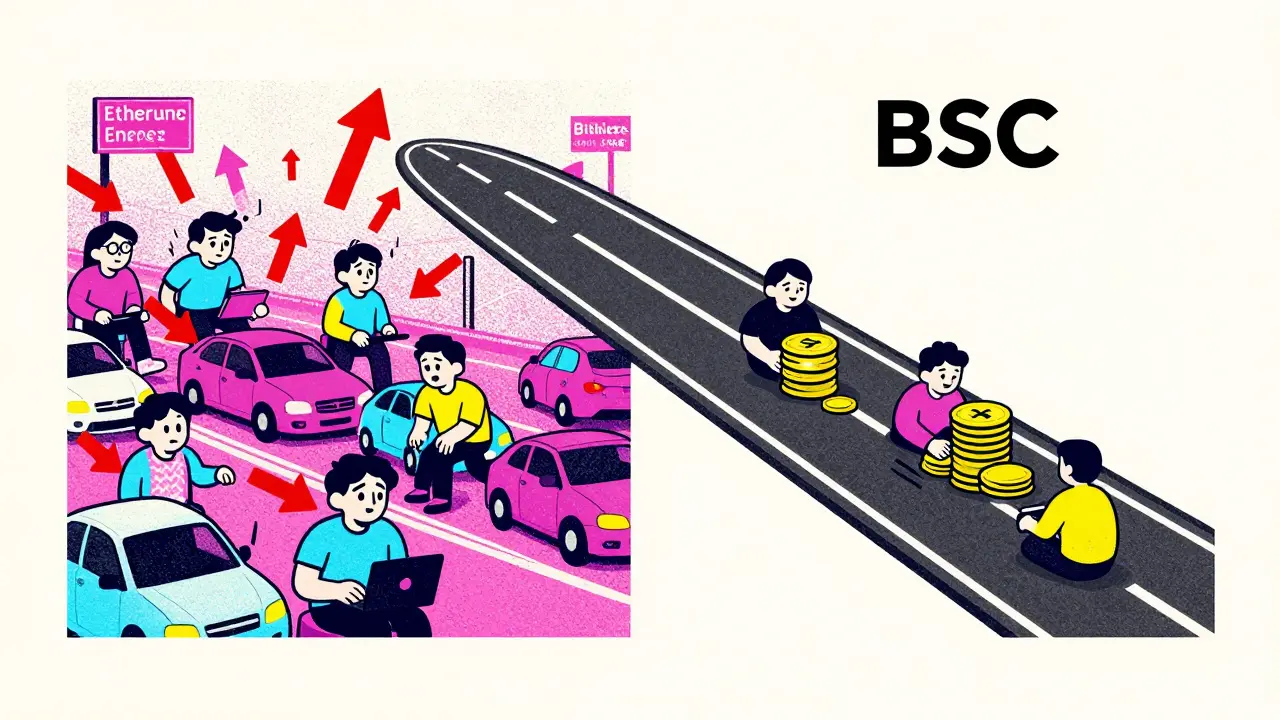
The platform runs on Binance Smart Chain (BSC). Why does this matter? Because BSC transactions are significantly faster and cheaper than those on Ethereum. When Ethereum gas fees spike during network congestion, users can pay $50 or more for a single swap. On BSC, that same transaction might cost pennies. This makes Ellipsis attractive for retail traders and smaller institutions who need to move stablecoins frequently without burning through capital on fees.
However, being a "fork" means Ellipsis uses the same underlying code structure as Curve Finance. It inherits Curve’s stability-focused algorithms but adapts them for the BSC ecosystem. The project has received direct support from the Curve team, which adds a layer of technical credibility. But remember: shared code doesn’t mean shared risk profile. Ellipsis operates independently, and its performance depends on its own liquidity and user base.
How Does It Work? A User’s Guide
Using Ellipsis Finance is straightforward if you’re already familiar with DeFi. Here’s the step-by-step process:
- Connect Your Wallet: You’ll need a BSC-compatible wallet like MetaMask or Trust Wallet. Ensure your network settings are configured for Binance Smart Chain.
- Fund with BNB: To pay for transaction fees (gas), you need BNB tokens in your wallet. Keep a small amount aside for this purpose.
- Select Your Pair: Navigate to the swap interface. Ellipsis primarily lists stablecoin pairs such as USDT/USDC, BUSD/DAI, and others. If you’re looking to trade volatile assets like Bitcoin or Ethereum, this isn’t the right place.
- Execute the Swap: Enter the amount you wish to swap. The interface will show you the expected output and any potential slippage. Confirm the transaction in your wallet.
- Optional: Stake EPS/EPX: If you hold the native governance tokens, you can stake them to earn a share of the trading fees generated by the protocol.
The learning curve is moderate. You don’t need to be a developer, but you do need to understand basic DeFi concepts like wallet security, gas fees, and slippage tolerance. For beginners, the lack of customer support (it’s decentralized, after all) means you’re responsible for your own actions. Double-check every address before confirming.
The Token Situation: EPS vs. EPX
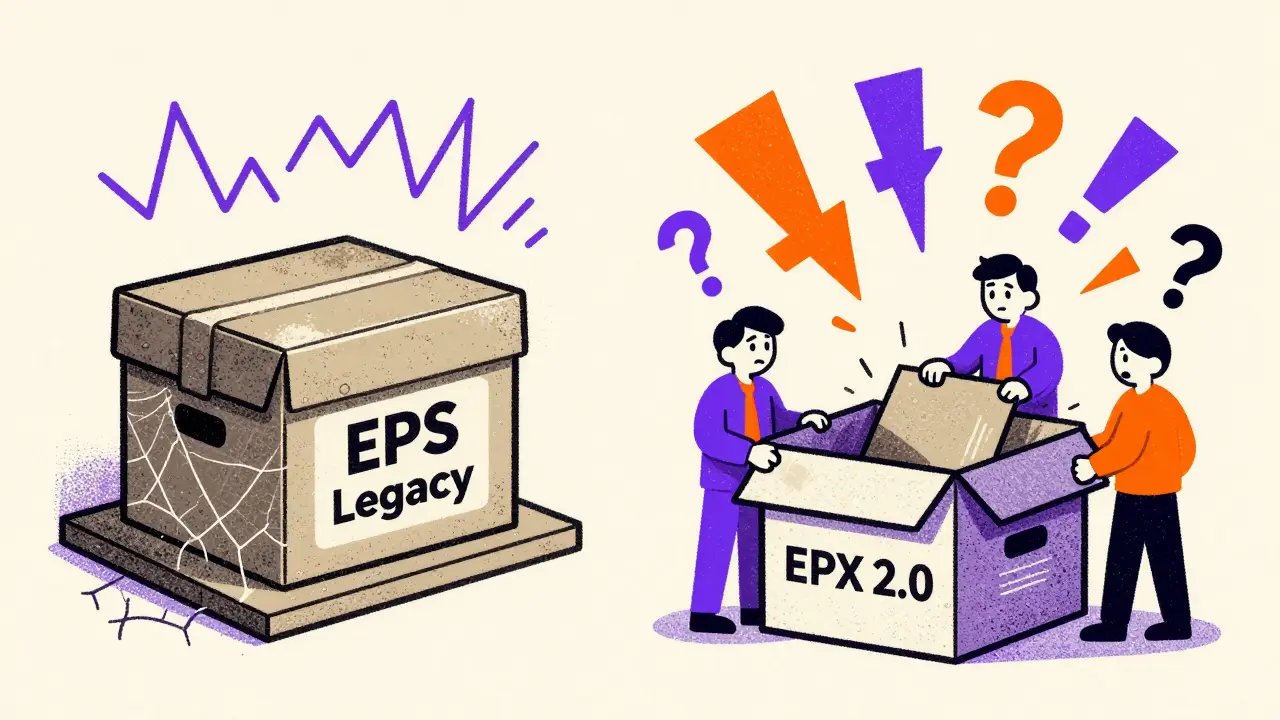
This is where things get complicated. Ellipsis originally launched with the EPS token. However, in late 2022, the platform announced a major upgrade to Ellipsis 2.0, which included migrating from EPS to a new token called EPX. This migration was supported by Binance, adding institutional weight to the transition.
So, which one matters now? Both exist, but they serve different purposes. EPS remains the legacy token, while EPX is the current governance and utility token for the upgraded protocol. Here’s how they compare:
| Feature | EPS (Legacy) | EPX (Current) |
|---|---|---|
| Launch Date | April 2021 | Late 2022 (Migration) |
| Primary Function | Governance & Staking (Old Protocol) | Governance & Staking (Ellipsis 2.0) |
| Market Cap (Approx.) | $25 Million | Data varies; higher daily volume |
| Price Trend | Downward since launch | Highly volatile, low volume |
| Trading Volume (24h) | ~$290k | ~$1.5 Million |
The migration created confusion. Many users held onto EPS expecting it to appreciate, but the price continued to drop. EPX, while having higher trading volume, hasn’t shown significant price growth either. As of early 2026, EPS trades around $0.034, while EPX hovers near fractions of a cent. Analysts warn that price predictions for these tokens vary wildly-from cents to dollars-but most emphasize extreme volatility. Don’t invest based on hype; look at the fundamentals.
Pros and Cons: The Honest Truth
Let’s cut through the marketing noise. What are the real advantages and drawbacks of using Ellipsis Finance?
The Good:
- Low Fees: Transaction costs on BSC are negligible compared to Ethereum. This is ideal for frequent stablecoin swaps.
- Minimal Slippage: Because it’s optimized for stablecoins, you get closer to the exact amount you expect when swapping.
- No Impermanent Loss: For liquidity providers, stablecoin pairs generally avoid the risk of impermanent loss associated with volatile asset pairs.
- Decentralized: No central authority controls your funds. You retain custody via your wallet.
The Bad:
- Limited Asset Variety: Ellipsis is strictly for stablecoins. If you want to trade BTC, ETH, or altcoins, you’ll need to go elsewhere.
- Token Price Performance: Both EPS and EPX have struggled with downward trends. Holding the token as an investment carries high risk.
- Liquidity Concerns: While adequate for stablecoins, overall liquidity is lower than major competitors like Curve or Uniswap. Large orders could still experience slippage.
- Brand Recognition: It’s not a household name. This affects trust and adoption among mainstream users.
Security and Risks You Must Know
Security in DeFi is paramount. Ellipsis Finance relies on smart contracts deployed on BSC. While the code is audited and derived from Curve’s robust framework, no system is immune to bugs or exploits. The fact that it’s an authorized fork reduces some risk, but you must always verify contract addresses yourself.
One major red flag is the token migration. Moving from EPS to EPX fragmented liquidity and confused users. Always ensure you’re interacting with the correct version of the protocol. Scammers often create fake sites mimicking legitimate DEXs. Bookmark the official site (ellipsis.finance) and never click links from social media or unsolicited messages.
Additionally, regulatory uncertainty looms over all DeFi platforms. While Ellipsis operates pseudonymously, future regulations could impact its functionality or accessibility in certain jurisdictions. Stay informed about local laws regarding crypto trading.

Who Should Use Ellipsis Finance?
Ellipsis isn’t for everyone. It’s a specialized tool. Here’s who benefits most:
- Stablecoin Traders: If you frequently swap between USDT, USDC, BUSD, and DAI, Ellipsis offers a cost-effective solution.
- DeFi Savvy Users: Those comfortable managing wallets, understanding gas fees, and navigating DEX interfaces.
- Yield Farmers (Cautiously): Liquidity providers seeking low-risk impermanent loss profiles might consider providing liquidity to stablecoin pools, but monitor APYs closely.
Who should avoid it? Beginners unfamiliar with DeFi, investors looking for quick gains on EPS/EPX tokens, and traders needing access to non-stablecoin assets.
Final Verdict
Ellipsis Finance fills a specific niche: cheap, fast stablecoin swaps on BSC. Technically, it performs well. The integration with Curve’s architecture provides reliability, and the BSC deployment ensures affordability. However, the tokenomics story is weak. Neither EPS nor EPX has demonstrated strong price appreciation, and the migration history raises questions about long-term value retention.
If you need to move stablecoins efficiently, give Ellipsis a try. Start with small amounts to test the waters. But if you’re investing in the tokens hoping for a moonshot, proceed with extreme caution. The data suggests high volatility and limited upside so far. Always do your own research (DYOR) and never invest more than you can afford to lose.
Is Ellipsis Finance safe to use?
Ellipsis Finance uses audited smart contracts derived from Curve Finance, which enhances security. However, as with any DeFi platform, risks remain, including smart contract vulnerabilities and phishing scams. Always verify contract addresses and use reputable wallets. Never share your private keys.
What is the difference between EPS and EPX?
EPS was the original governance token launched in 2021. EPX is the new token introduced during the Ellipsis 2.0 upgrade in late 2022. EPX is the current active token for governance and staking on the updated protocol. EPS remains in circulation but has less utility and lower trading volume.
Can I trade Bitcoin or Ethereum on Ellipsis?
No. Ellipsis Finance is specialized for stablecoin trading only. It supports pairs like USDT/USDC, BUSD/DAI, etc. For trading volatile cryptocurrencies like BTC or ETH, you would need to use other DEXs like Uniswap or PancakeSwap.
Why are transaction fees so low on Ellipsis?
Ellipsis operates on the Binance Smart Chain (BSC), which uses a proof-of-stake consensus mechanism that is much faster and cheaper than Ethereum’s proof-of-work (historically) or proof-of-stake model. This results in minimal gas fees for users, making micro-transactions viable.
Is it worth buying EPS or EPX tokens?
Investing in EPS or EPX carries high risk. Both tokens have experienced significant downward price trends since their respective launches. While they offer staking rewards from trading fees, price appreciation is uncertain. Only invest if you thoroughly understand the risks and have a high tolerance for volatility. Consult multiple sources and consider consulting a financial advisor.