Imagine running a business that consumes nearly as much electricity as the entire residential sector of a European nation, yet you’re told there’s simply no more juice to go around. That’s the reality facing crypto mining in Iceland today. For years, this Nordic island was the holy grail for miners-offering cheap, green power and natural cooling. But by 2026, the party is hitting a hard wall. The National Energy Authority of Iceland reported that mining consumed about 8% of the nation’s total energy in 2023, a spike that forced policymakers to rethink their priorities.
If you are looking to expand operations or start fresh in Iceland, you need to understand that the era of unlimited growth is over. The government, led by Prime Minister Katrín Jakobsdóttir, has signaled a clear shift away from supporting energy-intensive mining toward broader blockchain applications. This isn’t just regulatory noise; it’s a structural constraint driven by physics and infrastructure limits. Here is what you need to know about the current landscape, the specific restrictions, and whether your capital still makes sense in Reykjavik’s cold climate.
The Renewable Paradox: Abundance vs. Capacity
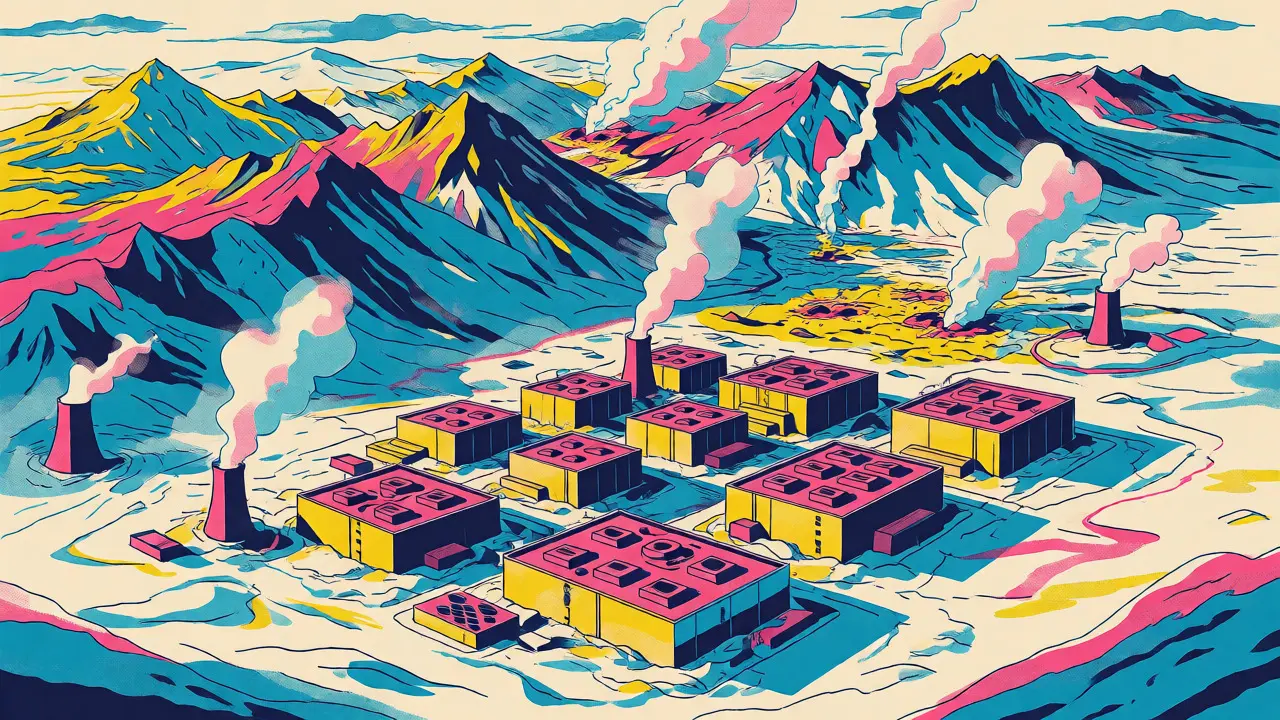
Iceland’s reputation rests on its unique energy mix. Roughly 75% of its electricity comes from hydroelectric plants and 25% from geothermal sources. It sounds like an infinite well, but waterfalls and volcanoes have physical limits. The country operates near maximum capacity, meaning new demand creates a zero-sum game. When a new data center plugs in, someone else might get throttled.
This bottleneck is why Iceland’s bitcoin mining operations are capped at approximately 120 megawatts, despite the potential for higher generation. The grid cannot handle significant expansion without massive infrastructure upgrades, which take years to build. Consequently, Iceland remains one of the largest hashrate generators per capita globally, but its total contribution to Bitcoin’s global network is constrained by these hard ceilings.
| Metric | Value | Context |
|---|---|---|
| Total Electricity Generation | Near Max Capacity | Hydro (75%) + Geothermal (25%) |
| Mining Energy Consumption | ~8% | Of national total consumption |
| GDP Contribution | ~2% | Significant economic driver |
| Power Allocation Cap | ~120 MW | Current practical limit for new entrants |
Policy Shifts and Government Restrictions
The political wind has changed. In March 2024, Prime Minister Katrín Jakobsdóttir publicly expressed a desire to reduce cryptocurrency mining activities. Why? Because while miners use 100% renewable energy, the opportunity cost is rising. The government is weighing the volatile economics of crypto against stable industries like aluminum smelting, tourism, and emerging AI data centers.
Officials have indicated that future energy allocations will favor "less energy-intensive digital economy applications." This suggests a strategic pivot toward blockchain development, fintech, and potentially a Central Bank Digital Currency (CBDC), rather than raw proof-of-work mining. If you are planning a new facility, expect stricter scrutiny on your energy usage reports and longer approval times for grid connections.
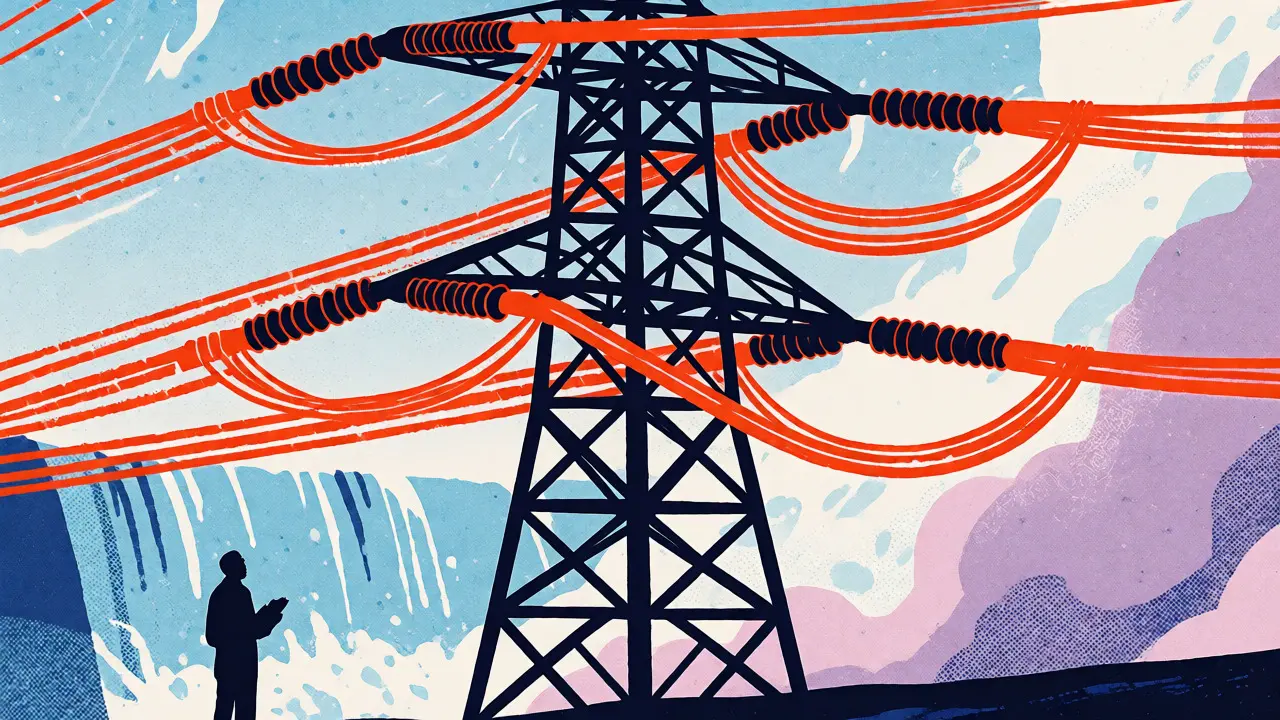
Infrastructure Constraints and Grid Access
For established players like Genesis Mining or Verne Global, existing power purchase agreements provide security. But for new entrants, securing a connection is a nightmare. Waiting lists for grid access can stretch indefinitely because there is little new power plant buildout happening right now.
Modern ASIC miners, such as the Antminer S19 XP or Whatsminer M50S, require continuous, high-load power. The grid struggles to accommodate these sudden demands alongside traditional industrial loads. Industry experts note that while Iceland offers unbeatable political stability compared to jurisdictions like Kazakhstan or China, the inability to access new electricity connections creates a definitive ceiling for industry growth.
Economic Trade-offs: Mining vs. Other Industries
Is crypto mining worth the strain on Iceland’s resources? Economists argue both sides. On one hand, the sector contributes roughly 2% to Iceland’s GDP and brings in valuable foreign currency. On the other, it generates fewer jobs per unit of energy compared to aluminum production or tourism infrastructure.
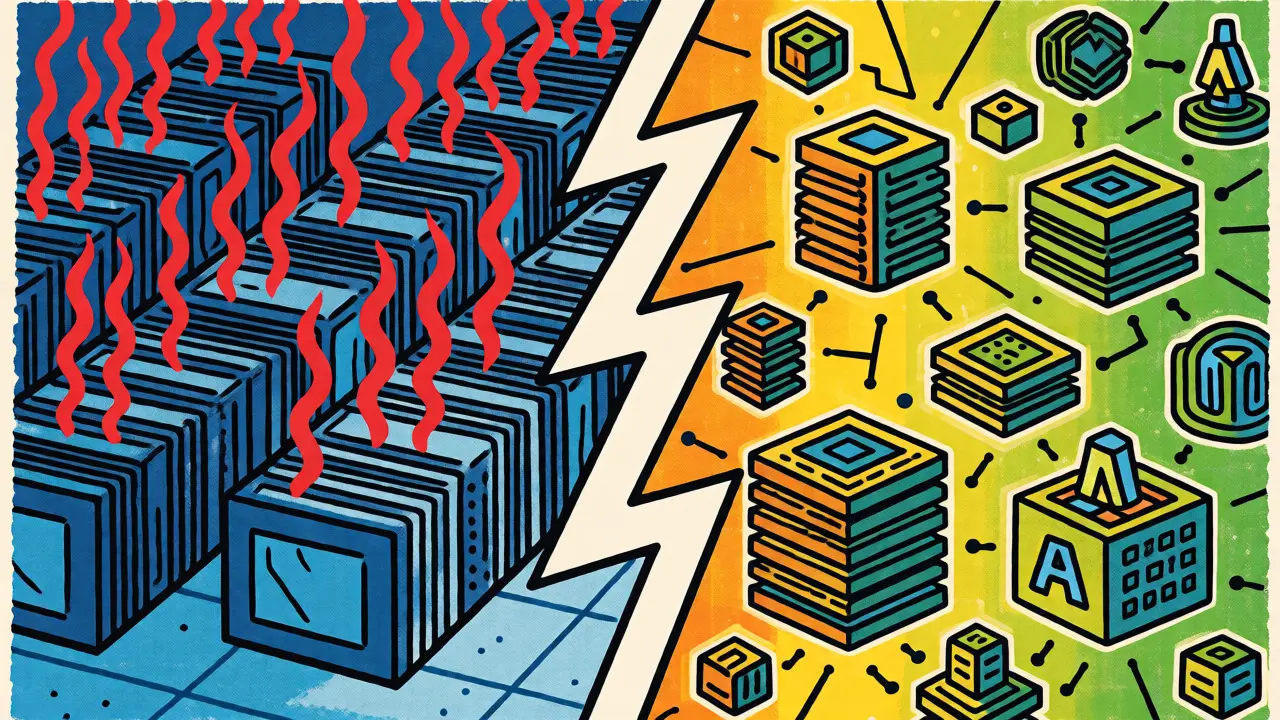
The debate often centers on hydrogen production and AI data centers. These sectors promise long-term stability and technological advancement. Crypto mining, with its price volatility, looks riskier to planners who want predictable revenue streams. As a result, tariff structures are shifting. Historically favorable wholesale rates for energy-intensive industries are facing pressure to prioritize domestic consumption and traditional exports.
Operational Realities for Miners in 2026
If you are already operating in Iceland, your focus should be on efficiency and retention. Community feedback from platforms like Bitcoin Talk highlights growing frustration with regulatory uncertainty. Miners report that facility expansion requests face indefinite delays. The sentiment is clear: Iceland is a stable jurisdiction, but it is no longer a growth hub.
To survive, operators must maximize the efficiency of their hardware. With a global weighted average efficiency of 28 joules per terahash becoming standard, older machines are losing money quickly. You cannot rely on cheap power alone if you cannot secure more of it. Upgrading to newer, more efficient rigs allows you to maintain profitability within your fixed power allocation.
Future Outlook: Stability Over Growth
Don’t expect a boom. Multiple industry sources suggest the sector will remain stable at current levels through 2030. Significant new power generation capacity is unlikely before then due to complex permitting and construction timelines. The government’s preference for broader blockchain innovation means new electricity, when it arrives, likely won’t go to miners first.
However, don’t write off Iceland entirely. Its combination of political neutrality, renewable energy certification, and cold climate keeps it competitive for high-value, low-volume operations. It remains a premium location for miners who value stability over scale.
Why is Iceland restricting crypto mining?
Iceland is restricting crypto mining primarily due to grid capacity constraints. Despite abundant renewable resources, the existing infrastructure is operating near maximum capacity. The government prioritizes other industries like aluminum, tourism, and AI data centers that offer more stable employment and economic benefits per unit of energy consumed.
Can new crypto miners enter Iceland easily?
No, entering the Icelandic market is difficult for new miners. Securing a new power contract involves lengthy waiting lists and strict regulatory scrutiny. Most available power is locked in long-term contracts with established players, leaving little room for new entrants without significant capital or existing partnerships.
What percentage of Iceland's energy does crypto mining use?
As of 2023, cryptocurrency mining activities consumed approximately 8% of Iceland's total energy consumption. This figure represents a substantial increase from previous years and has become a key metric in policy discussions regarding resource allocation.
Is crypto mining in Iceland still profitable?
Yes, for established operators with secured power contracts, mining remains profitable due to low renewable energy costs and political stability. However, profitability is threatened for new entrants who face high barriers to entry and limited ability to scale operations due to energy caps.
How does the Icelandic government view blockchain technology?
The government distinguishes between energy-intensive proof-of-work mining and broader blockchain applications. Officials prefer fostering less energy-hungry digital economy applications, such as fintech solutions and a potential Central Bank Digital Currency (CBDC), over expanding raw mining capacity.