Imagine opening your favorite messaging app and instantly playing a high-quality game without downloading anything new. That’s the promise of PlaysOut, a cryptocurrency project aiming to bridge the gap between traditional mobile apps and blockchain-based gaming. If you’ve been wondering what all the buzz is about regarding embedded games and super-apps, you’re in the right place. We’re breaking down exactly what the PLAY token does, how it works technically, and whether it has real staying power in a crowded market.
The Core Concept: Infrastructure for Super-Apps
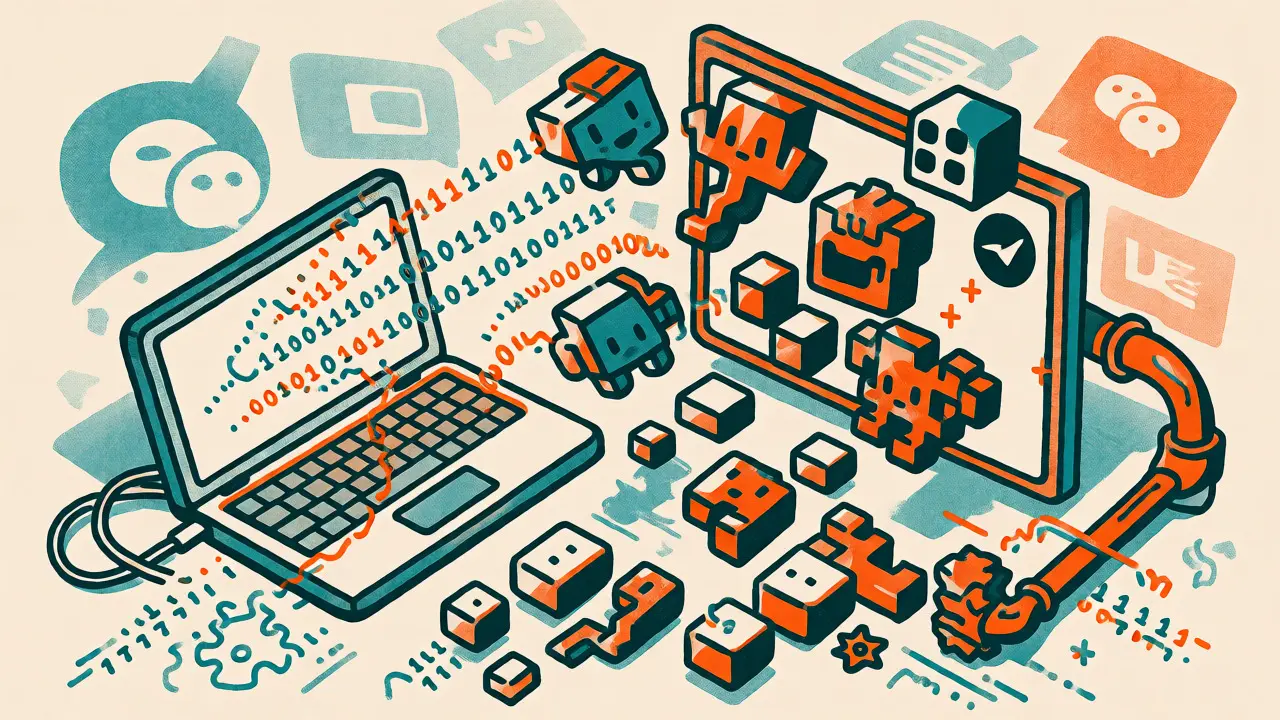
Most people think of crypto gaming as standalone worlds like Axie Infinity or The Sandbox. PlaysOut takes a different approach. It isn’t building another isolated game universe; instead, it provides the high-performance publishing infrastructure that powers the future of embedded gaming. Think of it as the plumbing that allows developers to drop mini-games directly into existing applications-like Telegram, WeChat, or other "super-apps"-with minimal friction.
The goal here is simple: boost user engagement and retention. By integrating thousands of mini-games into platforms where users already spend their time, PlaysOut aims to turn passive scrolling into active play. This strategy targets the massive $6 billion mini-game market currently dominated by China, attempting to globalize this model through Web3 technology.
How the PLAY Token Works
At its heart, PLAY is both a governance and utility token. But what does that actually mean for you? Let’s break down the practical uses:
- Governance: Holders can vote on key decisions within the ecosystem, such as which new games get integrated or how treasury funds are allocated.
- In-Game Currency: PLAY serves as the medium of exchange within the mini-games hosted on the platform. You might use it to buy skins, unlock levels, or enter tournaments.
- Staking: Users can stake their tokens to earn interest. Current rates hover around 3.7% APY, though this varies based on market conditions and staking duration.
The token operates with a total supply of 5 billion PLAY tokens. As of late 2024, approximately 494 million tokens were in circulation, representing just under 10% of the total supply. This low circulating supply means there’s significant room for expansion, but it also raises questions about potential inflationary pressure as more tokens unlock over time.
Technical Architecture and Partnerships
PlaysOut doesn’t reinvent the wheel; it builds on top of existing ecosystems. Its standout feature is its seamless integration with Telegram via the TON blockchain. In August 2024, PlaysOut announced a strategic partnership with TON Play to bring Web3 mini-games to Telegram’s 800 million users. This is a huge deal because Telegram already supports mini-apps, making PlaysOut’s integration feel native rather than bolted-on.
Developers report that using PlaysOut’s API reduces development time significantly. One early adopter noted a 60% reduction in build time compared to creating standalone Web3 games. The platform supports a single API integration, allowing developers to launch multiple games across different super-apps without rewriting code for each environment.
| Feature | PlaysOut (PLAY) | Immutable (IMX) | Gala Games (GALA) |
|---|---|---|---|
| Primary Focus | Embedded Mini-Games / Super-Apps | NFT Marketplace & Layer 2 Scaling | Multi-Genre Game Studio |
| Market Cap (Approx.) | $12.6 Million | $1 Billion+ | $500 Million+ |
| Key Integration | Telegram, WeChat | Ethereum, Polygon | PC, Mobile, VR |
| User Acquisition Model | Leverages Existing App Traffic | Crypto-Native Gamers | Traditional Gamers |
Investment Landscape and Market Position
So, who’s backing this project? PlaysOut raised $7 million in funding from notable investors, including OKX Ventures, Kenetic Capital, Aptos, VentureSouq, and KBW Ventures. Having OKX Ventures lead the round adds credibility, as they tend to focus on projects with strong exchange integration potential.
However, don’t let the investor list blind you to the risks. PlaysOut ranks around #1046 by market capitalization, placing it firmly in the micro-cap category. Its trading volume sits at roughly $6.24 million daily, which is decent for its size but lacks the liquidity of top-tier tokens. With only about 22,000 token holders, the community is small. While this offers growth potential, it also means the price can be volatile due to lower trading depth.
Price data varies slightly across exchanges, reflecting typical discrepancies in smaller markets. CoinMarketCap lists PLAY at approximately $0.024, while CoinEx shows closer to $0.038. Always check live prices before making moves, as arbitrage opportunities exist but so do spread costs.
Challenges and Criticisms
No crypto project is perfect, and PlaysOut faces several headwinds. First, regulatory compliance is tricky. Integrating with Chinese super-apps like WeChat requires navigating strict rules against direct cryptocurrency transactions domestically. PlaysOut has to carefully structure its partnerships to stay compliant while offering Web3 benefits.
Second, competition is fierce. Established players like Immutable and Gala have larger ecosystems and more recognized brands. Critics argue that the Web3 gaming sector is saturated with low-value projects, and breaking through requires more than just good tech-it needs viral marketing and mass adoption.
User feedback highlights some pain points too. Some developers complain about insufficient documentation for non-Chinese speakers, which creates barriers for Western devs. Additionally, the current staking APY of ~3.2% is considered low compared to other DeFi opportunities, potentially reducing the incentive to hold long-term.
Future Outlook and Roadmap
Looking ahead, PlaysOut plans to expand beyond Telegram and WeChat. Their roadmap includes launching on Google Play Store and integrating with ten additional super-app ecosystems. They also aim to implement a full DAO governance structure, giving token holders more direct control over the platform’s direction.
Independent analysts offer mixed predictions. OKX Ventures projects 10x user growth over 18 months, betting on the explosive potential of mini-games. Conversely, some independent firms give PlaysOut a 35% chance of surviving beyond two years, citing execution risk and regulatory hurdles. Your bet depends on whether you believe embedded gaming will become the norm or remain a niche trend.
Frequently Asked Questions
Is PlaysOut an ERC-20 token?
PlaysOut is designed to be interoperable and appears on multiple blockchains, but specific standard details like ERC-20 or BEP-20 depend on the exchange listing. It is heavily integrated with the TON blockchain for Telegram games, but cross-chain compatibility is a core feature.
Where can I buy PLAY tokens?
You can purchase PLAY on over 15 exchanges, including Bitget, CoinEx, and others listed on aggregators like CoinGecko. Bitget offers seven different trading pairs, providing some flexibility for traders.
Does PlaysOut have its own game?
No, PlaysOut is primarily infrastructure. It hosts third-party mini-games developed by partners. Instead of one flagship title, it offers a library of thousands of small games accessible via APIs.
What is the total supply of PLAY?
The maximum total supply is capped at 5 billion PLAY tokens. As of late 2024, approximately 494 million were in circulation, meaning less than 10% of the total supply was actively traded.
Is PlaysOut safe to invest in?
Like any micro-cap crypto, it carries high risk. While backed by reputable investors like OKX Ventures, it faces stiff competition and regulatory challenges. Diversification is recommended if you choose to allocate capital here.