
Imagine owning a slice of a luxury apartment in New York or a share in a promising tech startup without dealing with complex paperwork or massive upfront costs. That is exactly what security tokens are digital securities that combine traditional investment instruments with blockchain technology, offering tokenized ownership of real-world assets like real estate, equities, and commodities. They represent a significant shift in how we think about investing, moving away from the slow, opaque systems of traditional finance toward faster, more transparent digital markets.
In 2026, security tokens have moved far beyond their experimental roots. They are no longer just a concept discussed by crypto enthusiasts; they are becoming standard tools for both retail and institutional investors. The regulatory landscape has clarified significantly, making it safer and easier to participate. If you are looking to diversify your portfolio with assets that offer the stability of traditional securities but the efficiency of blockchain, this guide will show you exactly how to get started.
Understanding What Security Tokens Actually Are
To invest wisely, you first need to understand what you are buying. Unlike utility tokens or meme coins, which often lack underlying value, security tokens are legally compliant financial instruments. They represent actual ownership in an asset. Think of them as digital certificates of ownership that live on a blockchain.
When you buy a security token, you are buying a piece of something tangible. This could be:
- Real Estate: Fractional shares of commercial buildings or residential properties.
- Equities: Shares in private companies or startups that aren't yet public.
- Commodities: Ownership stakes in gold, oil, or agricultural products.
- Fund Interests: Shares in hedge funds or venture capital portfolios.
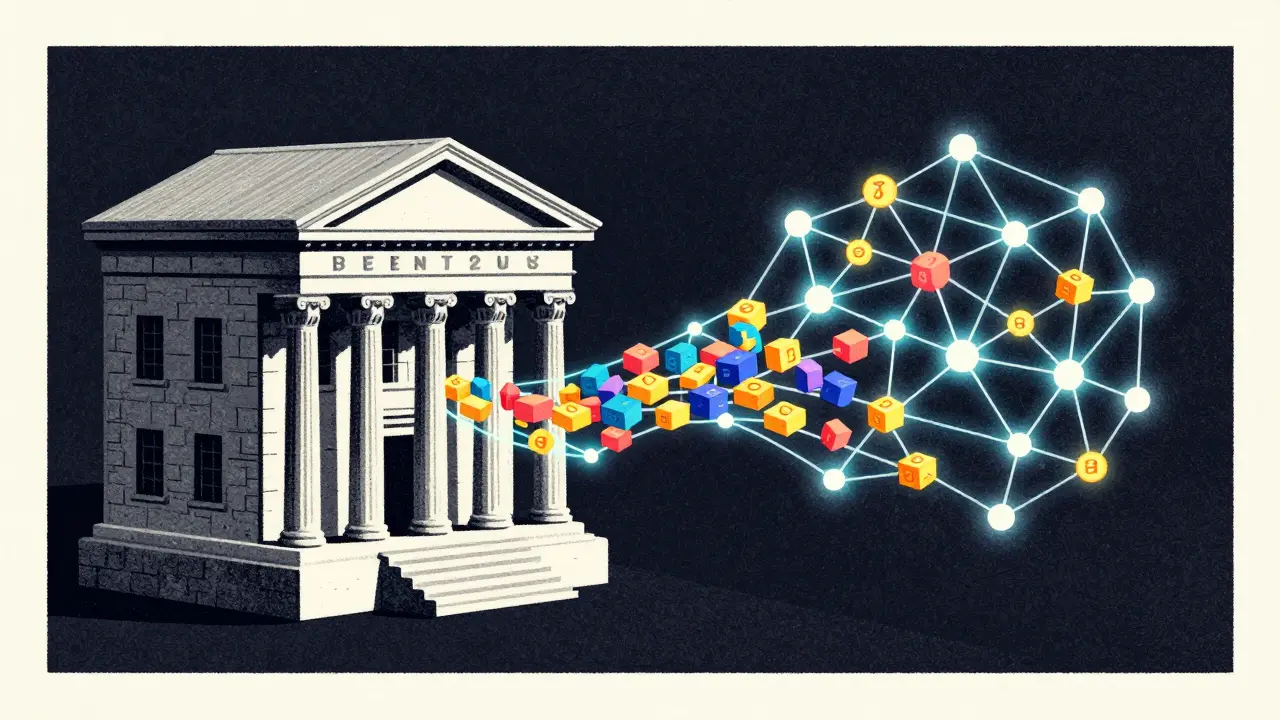
The key difference here is legal protection. Because these tokens are classified as securities, they fall under the jurisdiction of regulatory bodies like the SEC in the United States. This means issuers must follow strict rules regarding disclosure and investor eligibility. You are not just trusting code; you are trusting a regulated legal framework backed by code.
Why the Timing Is Right for 2026
If you hesitated to enter this space in previous years, 2026 offers a much more mature environment. The biggest hurdle for security tokens was always regulation. For years, investors worried about whether these assets were legal or if they would face sudden crackdowns. That uncertainty has largely evaporated.
Regulatory clarity has improved dramatically. In recent years, agencies like the SEC provided definitive guidance on token classification. We now know that tokens functioning as investment contracts-where profits are expected from the efforts of others-are securities. This isn't bad news; it's good news for legitimacy. It means the market is cleaning itself up, removing scams and unregistered offerings, leaving room for high-quality, compliant assets.
Furthermore, major financial institutions have jumped on board. Platforms like Bakkt and specialized exchanges in Switzerland and Singapore have built infrastructure specifically for these assets. This institutional adoption brings liquidity and trust. When big banks start building platforms for tokenized securities, you can rest assured that the technology is robust and the market is here to stay.
Step 1: Choose a Compliant Trading Platform
You cannot buy security tokens on typical cryptocurrency exchanges like Binance or Coinbase. These platforms generally deal in utility tokens and cryptocurrencies that are not classified as securities. Instead, you need a specialized platform designed for regulated digital assets.
Look for platforms that explicitly state they are registered with relevant financial authorities. Key features to look for include:
- Regulatory Licenses: Ensure the platform holds necessary licenses in your jurisdiction (e.g., MSB license in the US, VASP license in Europe).
- Custody Solutions: Your tokens should be held in secure, insured custody, often by third-party custodians rather than the exchange itself.
- Asset Variety: Check if they offer the types of assets you want, such as real estate, private equity, or art.
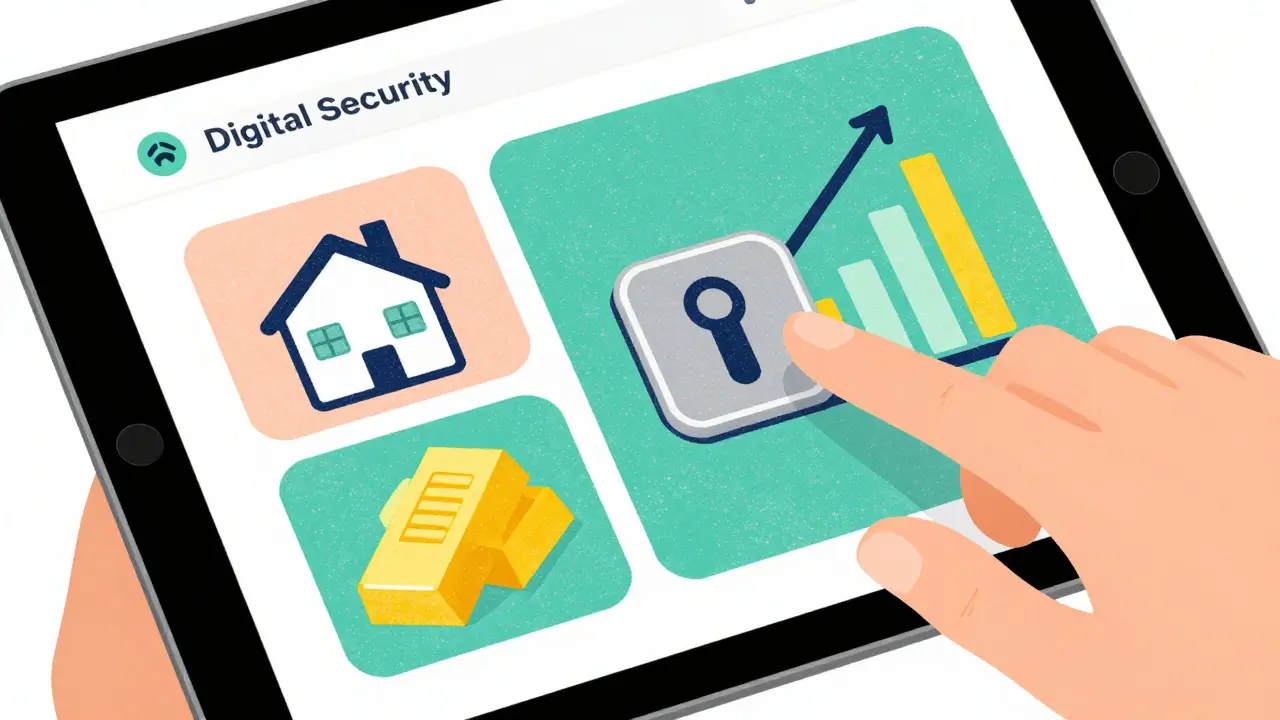
- User Interface: Since you may not be a crypto expert, choose a platform with an intuitive interface similar to traditional brokerage apps.
Popular examples in 2026 include platforms like tZERO, Securitize, and various regional exchanges that comply with local laws. Do your due diligence on each platform’s reputation and security history before depositing funds.
Step 2: Complete KYC and AML Verification
This is the most critical step that distinguishes security token investing from standard crypto trading. Because these are securities, platforms are legally required to verify who you are. This process is known as Know Your Customer (KYC) and Anti-Money Laundering (AML) compliance.
You will need to provide personal identification documents, such as a passport or driver’s license, and proof of address. Some platforms may also require additional information depending on your location and the specific assets you wish to buy. For instance, certain investments might only be available to accredited investors-individuals with a net worth above $1 million (excluding primary residence) or an annual income over $200,000 ($300,000 for couples).
Don’t view this as a hassle. This verification protects you. It ensures that the people you are trading with are legitimate and that the assets being sold are not involved in fraudulent activities. The process usually takes anywhere from a few hours to a couple of days, depending on the platform’s efficiency.
Step 3: Fund Your Account
Once verified, you need to add money to your account. Most security token platforms accept fiat currency deposits via bank transfer (ACH or wire). Some may also accept stablecoins like USDC or USDT, which are cryptocurrencies pegged to the US dollar. Using stablecoins can sometimes speed up the funding process, but be aware of any conversion fees.
It is important to manage your capital carefully. Start with an amount you are comfortable locking away, as some security tokens may have holding periods where you cannot sell immediately after purchase. This is a common feature to prevent short-term speculation and ensure long-term investment alignment.
Step 4: Select and Purchase Tokenized Assets
Now comes the fun part: choosing what to buy. Browse the marketplace on your chosen platform. You will see listings for various assets, each with detailed prospectuses or offering memorandums. Read these documents carefully. They will outline the risks, potential returns, distribution schedules (if dividends are paid), and exit strategies.
Consider diversifying your holdings. Don’t put all your eggs in one basket. You might allocate a portion to real estate tokens for steady rental income, another portion to equity tokens in growing startups for higher growth potential, and perhaps some commodity tokens for inflation hedging.
When you decide to buy, the transaction is executed via a smart contract. This automated code ensures that the transfer of ownership happens instantly and securely. You will receive your tokens in your digital wallet, which is managed by the platform’s custodian service.
Benefits of Investing in Security Tokens
So, why go through this process instead of buying traditional stocks or real estate? There are several compelling advantages.
Liquidity: Traditional assets like real estate are illiquid; selling a house can take months. Security tokens can be traded on secondary markets almost instantly, providing much greater liquidity. While not as liquid as major stock exchanges, they are significantly more fluid than physical assets.
Fractional Ownership: High-value assets are now accessible to everyone. You don’t need millions to buy into a premium commercial property. You can buy a $500 share of a $10 million building. This democratization of access allows for broader diversification.
Transparency: Blockchain records are immutable and transparent. You can verify ownership history and transaction details easily. This reduces the risk of fraud and errors that plague traditional record-keeping systems.
Efficiency: Smart contracts automate many processes, such as dividend payments and voting rights. This reduces administrative costs and speeds up settlement times. Transactions settle in minutes rather than days.
| Feature | Traditional Securities | Security Tokens |
|---|---|---|
| Settlement Time | T+2 Days | Near Instant |
| Trading Hours | Market Hours Only | 24/7/365 |
| Minimum Investment | High (often thousands) | Low (fractional ownership) |
| Intermediaries | Many (brokers, custodians) | Few (smart contracts) |
| Global Access | Limited by geography | Broader (subject to compliance) |
Risks and Considerations
No investment is without risk, and security tokens are no exception. While the regulatory environment is improving, there are still challenges to navigate.
Liquidity Risk: Although better than traditional assets, secondary markets for security tokens are still developing. You might find it difficult to sell your tokens quickly at a fair price if there are few buyers.
Regulatory Changes: Laws are still evolving. A change in regulations in your country could impact the legality or tax treatment of your holdings. Stay informed about legislative updates.
Platform Risk: If the platform you use goes bankrupt or suffers a hack, your assets could be at risk. Always choose reputable, well-funded platforms with strong security measures and insurance coverage.
Asset-Specific Risks: Just like traditional investments, the underlying asset can fail. A real estate property might lose value, or a startup might go out of business. Diversification is key to mitigating this risk.
Future Outlook: Where Is This Heading?
The trajectory for security tokens is upward. As blockchain technology becomes more integrated into traditional finance, we expect to see even more asset classes tokenized. Art, intellectual property, and carbon credits are already being explored.
We also anticipate greater interoperability between different blockchains and traditional banking systems. This will make it easier to move value between digital and fiat worlds seamlessly. For investors, this means a future where managing a diversified portfolio of global assets is as easy as clicking a button on an app.
The convergence of traditional finance and blockchain is not just a trend; it is a fundamental shift in how capital markets operate. By entering the space now, you position yourself at the forefront of this transformation, gaining access to opportunities that were previously reserved for the ultra-wealthy.
Are security tokens safe to invest in?
Security tokens are generally considered safer than unregulated cryptocurrencies because they are backed by real-world assets and comply with securities laws. However, they still carry risks related to market volatility, liquidity, and platform security. Always conduct thorough due diligence on the issuer and the platform.
Can I buy security tokens with Bitcoin?
Most regulated security token platforms do not accept volatile cryptocurrencies like Bitcoin directly for purchases due to compliance requirements. They typically require fiat currency deposits or stablecoins like USDC. Check the specific payment options offered by your chosen platform.
What is the difference between a security token and a utility token?
A security token represents ownership in an asset and offers financial benefits like dividends or profit sharing, making it subject to securities regulations. A utility token provides access to a product or service within a specific ecosystem and does not necessarily promise financial returns.
Do I need to be an accredited investor to buy security tokens?
Not necessarily. While many private placements are restricted to accredited investors, some security token offerings (STOs) are available to retail investors under certain regulatory exemptions. The availability depends on the specific offering and your jurisdiction.
How do I store my security tokens?
Most investors keep their security tokens in the custodial wallets provided by the trading platform. These wallets are secured by professional custodians and are insured against theft. Advanced users may opt for self-custody wallets, but this requires careful management of private keys and compatibility with the specific token standard.
Michael Berggren
May 15, 2026 AT 11:41It is genuinely fascinating to watch how blockchain technology is slowly but surely reshaping the very foundation of what we consider 'ownership' in our daily lives. 🌟 I have always believed that financial systems should be more transparent and accessible to everyone, not just the elite few who understand complex paperwork. This guide really highlights that shift towards a more democratic approach to investing in real assets like real estate or private equity. It feels like we are finally moving away from the opaque, slow-moving machinery of traditional finance into something much more agile and clear. The idea of owning a fraction of a luxury apartment in New York without needing millions upfront is truly empowering for retail investors. I think this represents a significant philosophical step forward in how we value and exchange wealth in the digital age. It gives me hope that technology can actually serve humanity by reducing barriers and increasing trust through immutable records. We should all pay close attention to these developments because they might define the next decade of economic participation. 🚀
Kiran CS
May 15, 2026 AT 15:31Oh, please. Do tell. Another breathless article pretending that putting a digital wrapper around a boring asset somehow makes it revolutionary. How utterly quaint. One must assume the author has never experienced the sheer elegance of holding physical title deeds in a mahogany box, nor the thrill of negotiating face-to-face with a broker who actually knows your name. This 'democratization' nonsense is merely marketing speak for diluting the exclusivity that keeps markets stable. If one cannot afford the minimum investment for a proper commercial property, perhaps one should focus on acquiring taste rather than chasing fractional shares of mediocrity. The regulatory clarity mentioned is likely as fleeting as a summer breeze in Mumbai. Do not mistake compliance for sophistication. True investors know that liquidity is often a trap for the impatient and the unrefined.
Bijan Das
May 17, 2026 AT 07:56looks like another scam waiting to happen. why bother reading all this when you could just buy bitcoin and forget about it? too much effort.
Ashley Rodriguez
May 19, 2026 AT 02:45i totally get what kirans cs is saying about tradition but honestly i feel like the old way was just so stressful and confusing for people like me who dont have time to deal with lawyers every single day. i mean sure maybe its fancy but does fancy help you sleep at night knowing where your money is? probably not. i think the transparency part is huge because you can just check the blockchain and see everything which is super reassuring compared to waiting weeks for statements from banks that never answer their phones. also the idea of being able to sell quickly if i need cash is really important to me because life happens and you cant wait months to sell a house. so yeah maybe its not exclusive but its definitely more practical and less intimidating for everyday folks who just want to grow their savings without the headache.
Bridget Coogle
May 19, 2026 AT 14:18i hear you ashley and its true that accessibility matters. however we must remember that risk remains regardless of the platform. always do your own research before committing funds. stay safe out there.