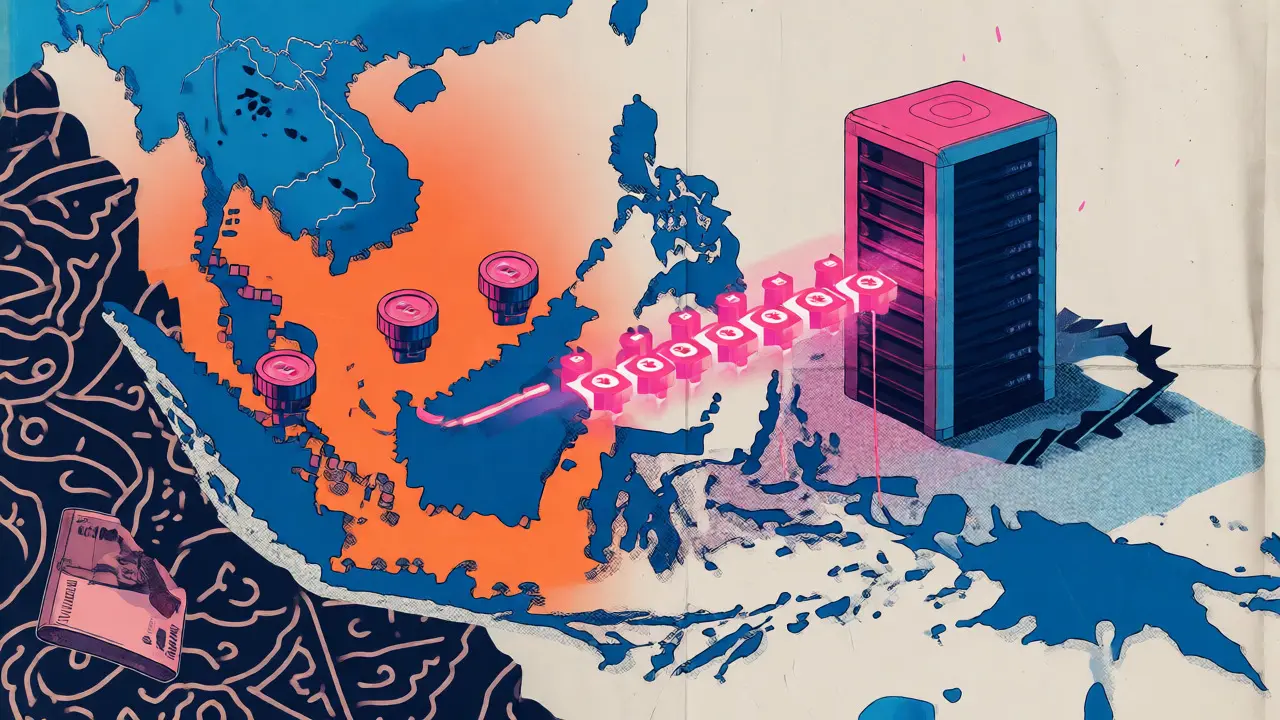
So you’re looking at HTX, formerly known as Huobi Global, and wondering if it’s the right move for your Indonesian wallet. You’ve probably heard about its massive trading volume or maybe a friend mentioned the high leverage options. But here is the catch: while HTX is a global giant with over 700 assets, using it from Jakarta isn’t exactly like using Indodax or Tokocrypto. There are no direct local bank transfers, and the regulatory landscape in Indonesia has shifted dramatically since 2025.
This review cuts through the noise. We aren’t just listing features; we’re analyzing how HTX actually functions for an Indonesian user today. Can you easily buy Bitcoin with Rupiah? Is your money safe under OJK regulations? And do the fee discounts justify the hassle of third-party payment processors? Let’s break down the real experience, not just the marketing brochure.
The Rebrand: From Huobi to HTX
If you still search for "Huobi," you’ll find it, but the platform rebranded to HTX in September 2023. This wasn’t just a logo change. The company moved its headquarters to Seychelles and expanded operations in Asia, including a regulated entity in Malaysia called Huobi Labuan. For Indonesians, this matters because it signals a shift toward institutional credibility rather than just retail speculation.
HTX currently ranks among the top 10 exchanges globally by trading volume, handling roughly $38.7 billion monthly as of mid-2025. That liquidity means tight spreads-less slippage when you buy or sell large amounts of crypto. However, being a global player means it doesn’t always cater specifically to local nuances. Unlike Binance, which has deep ties in Southeast Asia, HTX operates more like a traditional offshore exchange that serves international markets, including our region.
Trading Assets and Leverage Options
The core appeal of HTX remains its sheer variety. You can trade over 700 digital assets on spot markets. If you’re into obscure altcoins that haven’t hit major Western exchanges yet, HTX often lists them earlier. But the real draw for many traders is the futures market. HTX offers up to 200x leverage on Bitcoin futures. Compare that to Binance’s 125x cap or Kraken’s lower limits, and you see why aggressive traders flock here.
Is 200x leverage a good thing? It depends on your risk tolerance. With 200x, a 0.5% move against your position wipes you out. For beginners, this is dangerous. For experienced scalpers, it’s a tool for maximizing capital efficiency. HTX also supports margin trading with up to 5x leverage on spot pairs, which is safer and easier to manage for those dipping their toes into borrowing.
Fees and The HT Token Advantage
Let’s talk money. Standard spot trading fees on HTX are 0.2% for both makers and takers. That’s competitive, sitting right in line with industry averages. But you can lower these costs significantly by holding the native token, HTX Token (formerly HT).
Holding HTX tokens gives you permanent fee discounts, unlike some competitors who offer time-limited promos. If you hold enough HTX tokens, your maker/taker fees drop progressively. Additionally, 20% of quarterly profits go toward buying back and burning HTX tokens, theoretically supporting its price. As of late 2025, the token trades around $0.38. While it’s volatile, holding it is essentially a discount card for your trading activity.
| Feature | HTX | Binance | Indodax |
|---|---|---|---|
| Spot Trading Fee | 0.2% (Discountable) | 0.1% (Standard) | 0.1% - 0.2% |
| Max Futures Leverage | 200x | 125x | N/A (Spot focused) |
| IDR Direct Deposit | No (Third-party) | Yes (Bank Transfer) | Yes (Local Bank) |
| Regulatory Status | Offshore (Seychelles) | Global/Local Licenses | OJK Registered |
| Asset Count | 700+ | 350+ | 200+ |
The Indonesian Reality: Deposits and Withdrawals
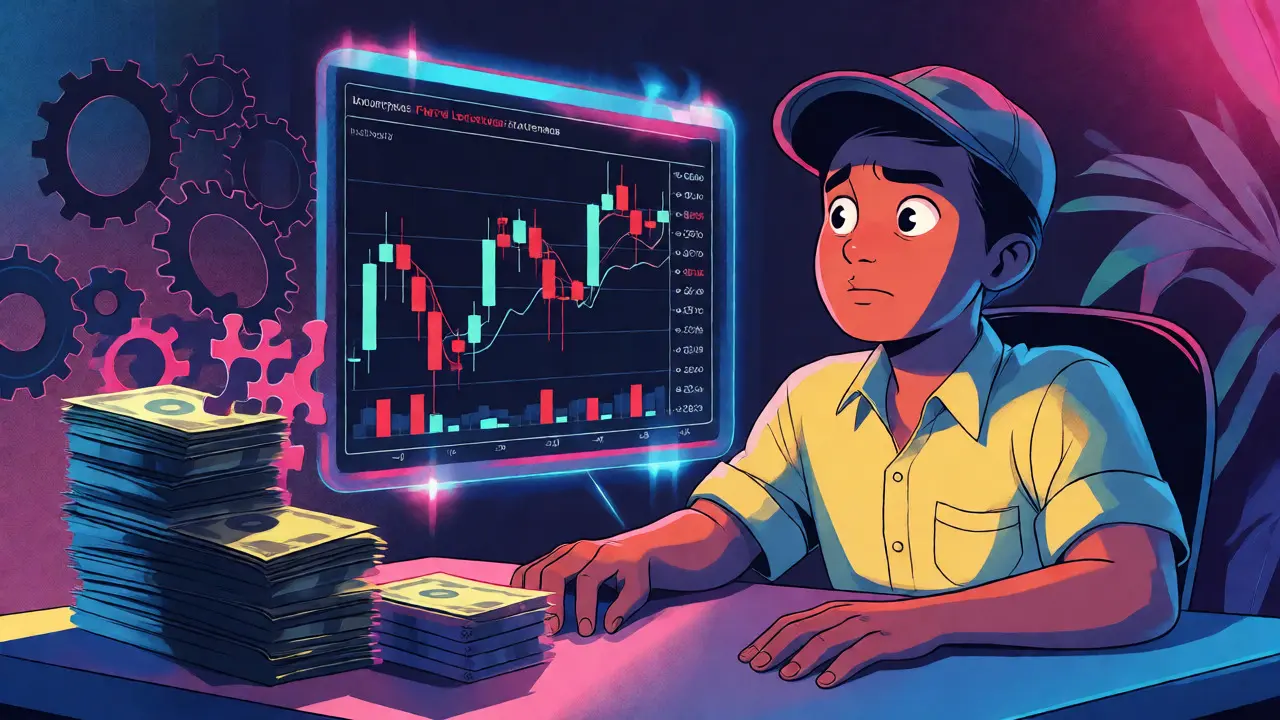
Here is the biggest friction point for Indonesian users. HTX does not have a direct banking partnership with local banks like BCA or Mandiri for instant IDR deposits. Instead, you rely on third-party payment processors. Users frequently report using services like Paxful or other P2P networks to convert IDR to USDT or BTC before moving funds to HTX.
This adds steps and costs. Expect to pay an extra 1.5% to 2% in spread or fees when converting Rupiah to crypto via these intermediaries. Once your crypto is in HTX, withdrawals are generally fast, but during peak volatility, processing times can stretch beyond 24 hours. If you value convenience and low-friction fiat on-ramps, local exchanges like Indodax or Tokocrypto win hands down. HTX wins on asset selection and advanced tools, but loses on ease of entry for Rupiah holders.
Security and Trustworthiness
Security is where HTX tries to reassure skeptical users. They publish Proof of Reserves regularly, claiming at least 1:1 asset coverage. This means they hold enough actual crypto to cover all user balances. Their infrastructure uses multi-layer wallets-cold, hot, warm, and multi-party offline storage-to minimize hack risks.
However, history casts a shadow. In 2017, Huobi invested client funds in wealth-management products, raising eyebrows about fund management practices. Today, they emphasize transparency, but they lack direct regulation from Indonesia’s Financial Services Authority (OJK). If something goes wrong, you don’t have the same legal recourse as you would with an OJK-registered entity. Your assets are protected by HTX’s internal policies and insurance funds, not Indonesian law directly.

User Experience and Support
The interface is robust but complex. Beginners often complain about the steep learning curve. NFT Evening estimates it takes 8-10 hours to master basic trading, and 30+ hours for advanced futures strategies. The mobile app is highly rated (4.1/5 stars), especially for charting capabilities, but KYC verification can take 5-7 business days. That’s slow compared to local exchanges that verify in hours.
Customer support is another pain point. While live chat exists, response times average 12 minutes, and ticket resolution can take up to 72 hours. Worse, there is minimal Bahasa Indonesia support. Most resources and support agents operate in English. If you aren’t comfortable navigating technical crypto terms in English, this will be frustrating.
Who Should Use HTX in Indonesia?
HTX isn’t for everyone. Skip it if you want simple IDR-to-BTC purchases with local bank transfers and OJK protection. Choose HTX if:
- You are an experienced trader seeking high leverage (up to 200x).
- You want access to a wider range of altcoins than local exchanges offer.
- You are comfortable using third-party converters for fiat on-ramps.
- You prefer holding your own keys or using global platforms over local custodial services.
For most casual Indonesian investors, the friction of deposits and lack of local language support outweighs the benefits. But for active traders chasing specific coins or leveraging positions, HTX remains a powerful tool in the global arsenal.
Is HTX legal in Indonesia?
HTX is not directly registered with Bappebti or OJK as a local exchange operator. It operates as an offshore platform accessible to Indonesian users. While trading itself is legal, you do not get the same consumer protections as you would with locally licensed exchanges like Indodax or Tokocrypto.
Can I deposit IDR directly into HTX?
No, HTX does not support direct IDR bank transfers. You must convert IDR to cryptocurrency (usually USDT or BTC) via third-party P2P platforms or other exchanges first, then transfer that crypto to your HTX wallet. This process incurs additional fees and network transaction costs.
How long does KYC verification take on HTX?
Verification typically takes between 24 to 72 hours, though some users report waiting up to 5-7 business days during high-volume periods. You need a government-issued ID and proof of address. Ensure your photos are clear to avoid delays.
What are the trading fees on HTX?
Standard spot trading fees are 0.2% for both makers and takers. These fees can be reduced by holding HTX Tokens. Futures trading fees vary by contract type but are generally competitive within the global market.
Is HTX safe to use?
HTX employs strong security measures, including Proof of Reserves and multi-signature cold storage. However, it lacks direct Indonesian regulatory oversight. Users should weigh the technical security against the absence of local legal recourse in case of insolvency or disputes.


Sandra Speakerworth
September 28, 2026 AT 05:54It is fascinating how the regulatory fragmentation in Southeast Asia creates such disparate user experiences. While HTX offers superior liquidity and asset diversity, the lack of direct OJK registration introduces a layer of counterparty risk that many retail investors may not fully appreciate. One must weigh the convenience of high leverage against the legal ambiguity of offshore custody.
Nicoletta Milanesio
September 30, 2026 AT 04:16The friction with IDR deposits is honestly a dealbreaker for me 🛑 I tried using P2P to get USDT onto HTX last month and lost so much on the spread it wasn't even worth it 😩 If you're just holding long term, Indodax is way smoother.
Angel Bee
September 30, 2026 AT 22:36hey guys great review but i think u are missing the point about fees if u hold the token its basically free trading compared to binance espacially for futures users who trade big volomes
Daniel Pearson
October 1, 2026 AT 21:40You people are naive if you think offshore exchanges are safe. Huobi has a history of messing with client funds. If they go bust, you have zero recourse in Indonesia. Stop chasing 200x leverage and start protecting your capital.
Douglas Sorocco
October 2, 2026 AT 12:24While the article touches on surface-level metrics, it fails to address the critical distinction between custodial risk and market risk. The 200x leverage mentioned is essentially gambling for those without sophisticated risk management protocols. Furthermore, the comparison to Binance ignores the fact that Binance's local compliance efforts in other jurisdictions often outpace HTX's generalist approach. :)
Sandy Garg
October 4, 2026 AT 04:47I find the philosophical implication of choosing an offshore exchange over a local one quite interesting. It reflects a preference for global accessibility over local protection. However, the KYC delay of up to seven days is a significant barrier to entry for active traders who rely on speed.
Rohit Singh
October 5, 2026 AT 10:12lol 200x leverage sounds fun until you wake up liquidated
anyway does anyone else hate the ui its like 2010 called they want their interface back
Joey Eden
October 5, 2026 AT 10:55The arbitrage opportunities here are limited by the fiat on-ramp inefficiencies. Most Indonesian users are paying a premium via P2P spreads which negates the maker fee discounts unless you are trading substantial volume. It’s a classic case of hidden costs eroding edge.
Shruti Mala
October 7, 2026 AT 06:35OMG YES! 🚀 The asset variety is insane! I found three gems there that weren't even listed on Tokocrypto yet!! 💎 But yeah, the deposit hassle is real... gotta be patient fam 😤 Keep grinding though, the gains will come!! 🔥🔥
Donald Underwood
October 8, 2026 AT 20:16Why is everyone ignoring the support language barrier? If you can't speak English fluently, you are alone in the dark when things go wrong. No Bahasa support means no help.