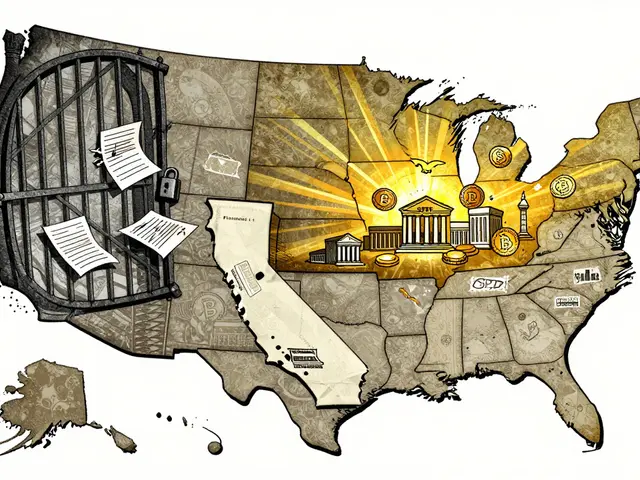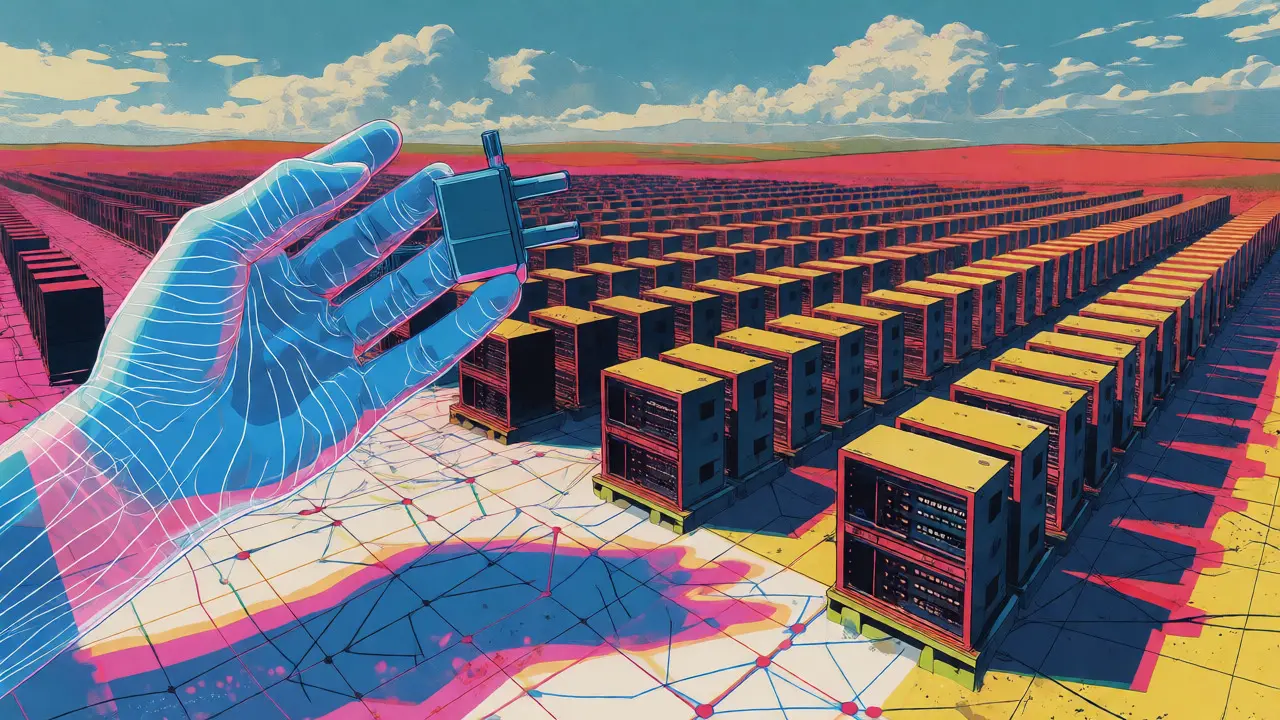
Imagine trying to run a business where you can only buy one specific item at a time, and if you try to sneak in extra power through the back door, you might end up paying millions in fines. That is the reality for crypto miners operating in Kazakhstan. Since China banned cryptocurrency mining in 2021, this Central Asian nation became a global hub, but that sudden influx of high-energy operations strained the national grid so badly that the government had to step in with strict controls. If you are looking at mining in Kazakhstan today, you are not just dealing with hardware and hash rates; you are navigating a complex web of state-run electricity marketplaces, mandatory asset sales, and aggressive enforcement against theft.
The Shift from Wild West to State Control
When Chinese operators fled their home market, they brought massive infrastructure to Kazakhstan. The country initially welcomed them, seeing potential economic boosts. But the grid wasn't ready. Power outages hit residential areas, and industries complained about shortages. The government realized it couldn't just let miners plug in anywhere. They introduced a centralized system to manage who gets how much power. This isn't a free-for-all anymore. It is a tightly regulated environment where the Ministry of Energy acts as the gatekeeper.
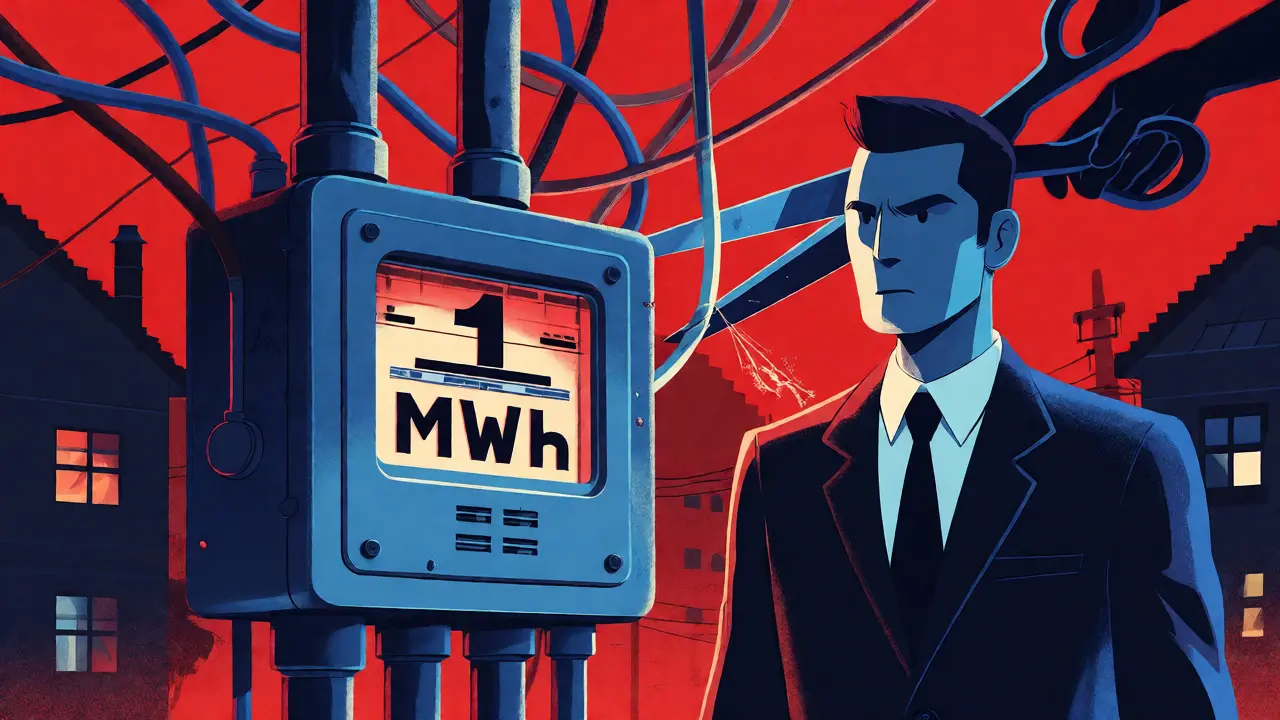
The core of this regulation is a state-operated electricity marketplace. Miners cannot simply sign a contract with a local utility provider like they might in Texas or Iceland. Instead, they must purchase electricity directly through this official platform. To prevent any single operator from hogging resources, transactions are capped at 1 megawatt-hour (MWh) per transaction. For large farms, this means making multiple purchases, which adds administrative layers and complexity. It slows things down, but it gives the state real-time visibility into consumption patterns.
How the Rationing System Actually Works
Let’s break down the mechanics. If you want to mine legally in Kazakhstan, you need a license. As of recent counts, there are only 84 active licenses issued for legitimate mining operations. These licensed entities must register their equipment in a national database, which currently tracks over 415,000 mining machines. This tracking is crucial because it ties physical hardware to digital consumption records.
Once licensed, you face two major financial hurdles beyond the cost of electricity itself. First, there is a 15% tax on mining profits. Second, and perhaps more impactful for cash flow, is the requirement to sell your mined assets. In 2025, the rule mandates that miners sell 75% of their cryptocurrency holdings on platforms accredited by the Astana International Financial Centre (AIFC). This was raised from 50% in 2024. The goal? To bring crypto transactions into the regulated financial system, ensuring transparency and tax compliance.
| Requirement | Specific Detail | Purpose |
|---|---|---|
| Electricity Purchase | Max 1 MWh per transaction via state platform | Prevent grid overload; monitor usage |
| Asset Sale Mandate | Sell 75% of mined assets on AIFC platforms | Regulate capital flows; ensure tax revenue |
| Tax Rate | 15% on mining profits | Fund public services; formalize economy |
| Licensing | Must hold one of 84 available licenses | Limit total capacity; track operators |
The Cost of Illegal Mining
While legal miners navigate bureaucracy, a shadow market thrives. And it’s expensive. In October 2025, authorities uncovered a massive scheme in East Kazakhstan Oblast. Corrupt utility employees had been diverting electricity meant for homes and hospitals to unauthorized mining farms. Over two years, this operation consumed over 50 MWh of stolen power. The value? Approximately $16.5 million.
To put that in perspective, the stolen energy could have powered a city of 50,000 to 70,000 people. The proceeds didn’t just stay in bank accounts; they bought apartments in the capital and luxury vehicles. When the Financial Monitoring Agency (AFM) and National Security Committee (KNB) cracked down, they seized these assets. This case highlights why the rationing system is so strict. Every kilowatt-hour diverted illegally is a kilowatt-hour missing from someone’s heater during winter or a factory’s production line.
Challenges for Legitimate Operators
If you are running a small-to-medium mining operation, the current rules feel heavy. The 1 MWh transaction limit forces frequent administrative actions. You aren't just managing servers; you're managing paperwork and compliance reports. Experts estimate that compliance costs-legal fees, accounting, AIFC integration-can eat up 10-15% of operational expenses for mid-sized firms.
There is also the issue of speed. Government helpdesks and AIFC technical support can be slow, with response times stretching into weeks during peak periods. For a miner whose profitability depends on uptime and immediate reinvestment, delays are costly. Larger, well-capitalized firms handle this better because they have dedicated compliance teams. Smaller players often struggle, leading to market consolidation where big players dominate the licensed space.

Future Outlook: The 70/30 Proposal
Kazakhstan knows it needs more power to keep both citizens happy and miners profitable. Enter the proposed 70/30 energy program. Under this plan, foreign investors would fund upgrades to thermal power plants. In return, 70% of the new generated capacity goes to the national grid, stabilizing supply for everyone else. The remaining 30% is reserved specifically for crypto mining operations.
This approach tries to balance two competing interests: domestic energy security and economic opportunity from the digital sector. It acknowledges that miners consume surplus energy and can help balance loads, as noted by analysts like Tuleushin. However, success depends on execution. If the infrastructure upgrades lag, the rationing will remain tight, and prices may rise.
Why Enforcement Matters More Than Ever
The crackdown in East Kazakhstan wasn't an isolated incident. It reflects a broader regional trend. Russia has launched its own registry for mining equipment, and France is exploring using unused nuclear power for regulated mining. The era of anonymous, unregulated mining is ending globally. In Kazakhstan, the message is clear: if you want cheap power, you play by the state’s rules. The days of plugging in a rig without telling anyone are gone.
For investors and operators, this means due diligence is non-negotiable. Verify licenses. Check equipment registration numbers. Ensure your AIFC sales records are impeccable. The risk of losing your investment to confiscation due to non-compliance or association with illegal grids is real.
Can I mine Bitcoin in Kazakhstan without a license?
Technically, you can run a machine, but you cannot legally purchase electricity for commercial mining without being part of a licensed entity or pool. Operating outside the licensed framework risks having your equipment seized and facing fines for electricity theft, especially if you are consuming significant power.
What happens if I don't sell 75% of my mined crypto on AIFC platforms?
Non-compliance with the mandatory asset sale requirement can lead to penalties and loss of licensing privileges. The AIFC platform integration is a key part of the government's effort to regulate capital flows and ensure taxes are paid on mining profits.
Why is there a 1 MWh limit on electricity purchases?
The 1 MWh cap prevents individual large-scale miners from overwhelming the grid with a single transaction. It allows the Ministry of Energy to distribute limited resources more evenly among licensed operators and monitor consumption in real-time to prevent blackouts.
Is illegal mining still common in Kazakhstan?
Yes, despite strict regulations, illegal mining persists. Cases like the 2025 East Kazakhstan bust show that corrupt insiders sometimes divert residential power to unauthorized farms. Authorities actively investigate and seize assets from such operations.
What is the tax rate for crypto mining in Kazakhstan?
Licensed mining operations are subject to a 15% tax rate on their mining profits. This tax is part of the broader regulatory framework designed to formalize the industry and contribute to the national budget.