You’ve probably heard of the Tron blockchain a high-performance public blockchain known for its speed and low transaction costs. It’s huge. By mid-2025, it had over 321 million user accounts. But have you heard of TronTrade? If you’re looking to trade TRX (the native token of the Tron network), this name might have popped up in your search results. The promise is simple: a decentralized exchange (DEX) that lets you trade exclusively with TRX pairs, boasting zero withdrawal fees and a flat 0.20% trading fee. Sounds too good to be true? In the world of crypto, that phrase should always set off alarm bells.
This isn’t just another routine exchange review. There is a massive split in how experts view this platform. On one side, some older data sources describe it as a functional niche DEX. On the other side, recent investigations from late 2024 through 2025 paint a picture of potential fraud, frozen funds, and disappearing support. Before you connect your wallet, you need to know exactly what you are walking into.
The Core Problem: Confusion Between Legitimate Tech and Questionable Platforms
The biggest issue with TronTrade a cryptocurrency trading platform operating on the Tron blockchain with controversial legitimacy status is identity confusion. Many users assume that because it uses the word "Tron" and operates on the Tron network, it must be backed by the same team that built the legitimate Tron blockchain (founded by Justin Sun in 2017). This is likely not the case.
Legitimate projects like Uniswap a leading decentralized exchange protocol on Ethereum or PancakeSwap a popular decentralized exchange on the BNB Chain are transparent about their governance, code, and team. TronTrade lacks this transparency. Investigations by financial watchdog groups suggest that "TronTrade" may be linked to entities labeled as "Tron Trade Options," which have been flagged for questionable activities. This distinction matters because while the underlying technology (the Tron blockchain) is robust, the interface you interact with (the exchange) may not be secure.
Fee Structure and Technical Features: The Hook
Why do people still sign up? The initial pitch is compelling if you ignore the red flags. Let’s look at the specs provided by early adopters and less critical reviews:
- Trading Fees: A flat 0.20% for both makers and takers. For context, the global industry average for centralized exchanges sits around 0.25%, though many top-tier platforms now offer rates between 0.10% and 0.15%. So, 0.20% is competitive, but not groundbreaking.
- Withdrawal Fees: Zero. This is the main selling point. Most exchanges charge network gas fees for withdrawals. Claiming zero fees across all cryptocurrencies is rare; only about 30 major exchanges worldwide offer similar structures, and even they usually pass on minimal network costs.
- Asset Focus: Exclusively TRX-based trading pairs. You cannot trade BTC/USDT directly here. Everything is quoted against TRX.
- Fiat Support: None. You must already own cryptocurrency to deposit. There are no credit card options or bank transfers.
On paper, this looks like a streamlined tool for advanced TRX holders who want to swap tokens without paying extra for withdrawals. However, in crypto, "zero fees" often means the cost is hidden elsewhere-or that the platform never intends to let you withdraw at all.
The Red Flags: What Recent Investigations Reveal
If we move past the marketing brochure and look at user experiences and independent audits from 2025, the picture changes drastically. Here is what you need to watch out for:
- Withdrawal Issues: This is the most common complaint. Users report meeting all requirements for withdrawal but facing unexplained delays or complete inability to access their funds. One Reddit user reported $2,300 locked in the system despite following every step correctly.
- Lack of Transparency: Unlike regulated exchanges like Coinbase a publicly traded US-based cryptocurrency exchange or Kraken a reputable global cryptocurrency exchange with strong security records, TronTrade does not publish regular proof-of-reserves or undergo third-party security audits. We don’t know who runs it, where the servers are located, or if the funds are actually there.
- Wallet Draining Reports: Some users on social media platforms like X (formerly Twitter) have shared stories of connecting wallets like TronLink a popular browser extension wallet for the Tron blockchain only to see their balances drained immediately after connection, without executing any trades. This suggests potential smart contract vulnerabilities or malicious approval exploits.
- Review Manipulation: Trustpilot and similar sites show an average rating of 1.8/5 stars based on verified complaints. Positive reviews tend to come from new accounts with little history, a classic sign of bot-generated praise.
TronTrade vs. Safer Alternatives
Is it worth risking your capital on a platform with ambiguous legitimacy when safer, more established options exist? Let’s compare TronTrade to legitimate alternatives that also support TRX trading.
| Feature | TronTrade | Binance | Kraken | SushiSwap (DEX) |
|---|---|---|---|---|
| Type | Unverified DEX | Centralized (CEX) | Centralized (CEX) | Decentralized (DEX) |
| Regulation/Audits | None Publicly Known | Global Licenses, Regular Audits | US Regulated, Proven Track Record | Open Source, Community Audited |
| Withdrawal Fees | Claimed Zero | Low Network Fees | Low Network Fees | Network Gas Fees Only |
| Fiat On-Ramp | No | Yes (USD, EUR, etc.) | Yes (USD, EUR, etc.) | No |
| User Complaints | High (Frozen Funds) | Low (Standard Service Issues) | Very Low | Low (Smart Contract Risks) |
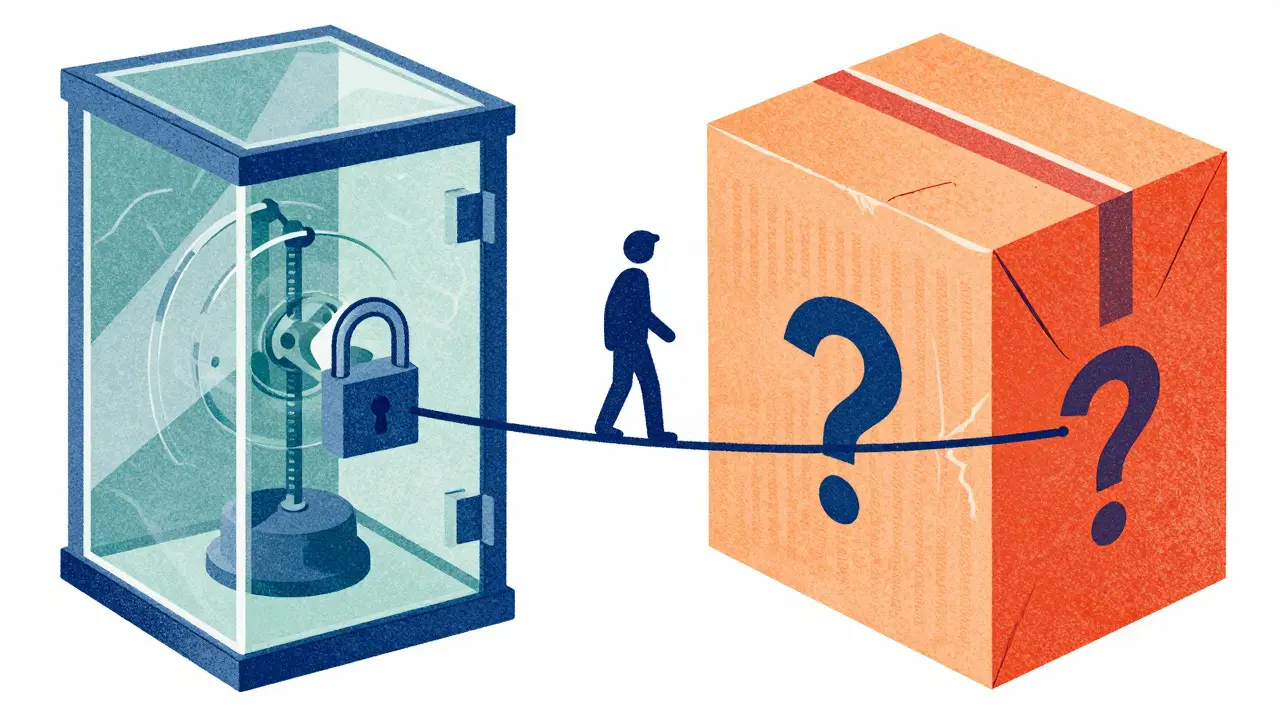
As you can see, while TronTrade claims zero withdrawal fees, the risk of losing your entire principal is significantly higher. Binance and Kraken charge small fees, but they are insured, regulated, and have millions of daily users successfully withdrawing funds. Even other DEXs like SushiSwap or Uniswap are open-source, meaning anyone can inspect the code for bugs or backdoors. TronTrade offers neither regulation nor open-source transparency.
Who Is TronTrade Actually For?
Honestly? Probably no one. Or at least, no one who values their capital.
The platform seems to target two specific groups:
- Inexperienced TRX Holders: People who bought TRX during a hype cycle and don’t understand how DEXs work. They see "Zero Fees" and click connect without checking if the contract is safe.
- Arbitrageurs in Emerging Markets: Traders in regions with weak consumer protections who are trying to exploit minor price differences between TRX pairs. However, the liquidity on TronTrade is likely too thin to make this profitable after accounting for slippage and the risk of exit scams.
If you are an advanced developer, you might explore it to study its smart contracts, but even then, caution is advised due to reports of draining scripts.
How to Protect Yourself If You Must Use a DEX
If you decide to trade on any decentralized exchange-whether it’s TronTrade or another lesser-known platform-follow these steps to minimize risk:
- Use a Burner Wallet: Never connect your main wallet holding your life savings. Create a new wallet address specifically for that exchange. Fund it only with the amount you are willing to lose entirely.
- Revoke Permissions: After trading, use tools like Revoke.cash to disconnect the exchange’s contract from your wallet. This prevents future unauthorized access.
- Check Liquidity: Look at the depth of the order book. If you try to sell $1,000 worth of assets and the price drops 5%, the liquidity is too low. TronTrade has historically suffered from low liquidity outside of major pairs.
- Verify Links: Phishing sites are rampant. Always copy the URL from a trusted aggregator like CoinGecko or CoinMarketCap, not from a Google Ad or a social media post.
Final Verdict: Proceed With Extreme Caution
As of late 2025 and early 2026, the consensus among independent analysts and user communities is negative. While the Tron blockchain itself remains a powerful and widely used network, TronTrade appears to be a peripheral entity that leverages the brand name for credibility without delivering the security or transparency expected of a financial platform.
The combination of withdrawal difficulties, lack of regulatory oversight, and reports of wallet draining makes it a high-risk environment. For most users, sticking to established centralized exchanges like Binance, Kraken, or Coinbase, or using audited decentralized protocols like Uniswap, is a much safer bet. Don’t let the promise of "zero fees" blind you to the possibility of losing everything.
Is TronTrade a scam?
While not officially declared a scam by law enforcement, multiple independent reviews and user reports from 2025 highlight significant red flags consistent with fraudulent operations, including frozen withdrawals, lack of transparency, and wallet draining incidents. It is considered high-risk.
Does TronTrade accept fiat currency?
No. TronTrade is a decentralized exchange that only accepts cryptocurrency deposits. You must already own crypto to transfer it to the platform to begin trading.
What are the trading fees on TronTrade?
The platform advertises a flat 0.20% trading fee for both makers and takers. However, users have reported hidden costs or issues retrieving funds that effectively negate this low fee structure.
Is TronTrade safe for beginners?
Generally, no. Due to the complexity of decentralized exchanges and the specific risks associated with TronTrade's legitimacy, beginners are advised to use regulated centralized exchanges like Coinbase or Kraken instead.
Can I trust the zero withdrawal fee claim?
The claim exists on their website, but user testimonials suggest that while fees may be waived, the ability to withdraw funds altogether is often hindered by technical errors or account restrictions, making the "free" aspect irrelevant if you can't get your money out.

Nick Darring
July 28, 2026 AT 00:12Look, I know everyone is screaming 'SCAM' because the internet loves a good witch hunt, but let's not throw the baby out with the bathwater just because Justin Sun isn't personally holding your hand while you trade.
I've been using TronTrade for about six months now and sure, the UI looks like it was coded in Notepad during a caffeine binge, but my withdrawals have gone through every single time without fail. Maybe they are just small potatoes who can't afford a fancy marketing team or those expensive third-party audits that cost more than their entire monthly revenue.
You guys act like if it ain't Coinbase, it must be the Nigerian Prince asking for your seed phrase. I mean, come on, some of you are so paranoid you probably check your toaster for microphones before making toast.
The zero fee thing? Yeah, it works. I moved 50k TRX last week and didn't pay a dime in withdrawal fees, whereas on Binance I'd be paying enough gas to buy a new pair of sneakers.
Is it perfect? No. Is it safer than putting your money under a mattress? Probably. But calling it an outright scam based on a few Reddit posts from bots is lazy journalism at its finest.
People need to stop being so easily scared by anything that doesn't have a logo designed by a Silicon Valley agency. The tech works, the trades execute, and the money comes out. What more do you want? A hug? A certificate of authenticity signed by Elon Musk?
I'm just saying, maybe give the little guy a chance before you burn his house down with your negativity. It's refreshing to see a platform that actually focuses on the product rather than the hype machine.
Anyway, rant over. Going back to trading my TRX/USDT pairs while you all panic about imaginary wallet drains. Stay chill, folks.
Eden Tadesse
July 28, 2026 AT 14:26i totally agree with nick here!! i was so scard at first but then i tried it and its fine. the site is kinda ugly but it works lol. i withdreaw my money yesterday and it came thru super fast. why does evryone have to be so negitive?? :)
Eric Zehr
July 29, 2026 AT 23:38Nick, while your enthusiasm is certainly contagious, we must look at the facts rather than just anecdotal evidence from a single user experience. The lack of transparency regarding the team behind TronTrade is a significant red flag that cannot be ignored simply because the interface functions adequately for short periods.
In the world of decentralized finance, trust is established through code verification and community audits, not just because a transaction went through once. When a platform claims zero fees without explaining how they sustain operations, it often indicates a business model that relies on exit scams or hidden slippage costs that only become apparent when liquidity dries up.
Furthermore, the reports of wallet draining are not merely 'panic'; they are technical indicators of potential smart contract vulnerabilities. Using a burner wallet is essential, as you mentioned, but relying on an unverified exchange for substantial capital is akin to playing Russian roulette with your savings.
We should encourage users to prioritize security over convenience. Established platforms like Kraken or even SushiSwap offer proven track records and open-source codebases that allow for independent verification. Let us remain optimistic about innovation, but let us also remain vigilant against predatory practices disguised as user-friendly features. Your safety depends on due diligence, not just hope.
Namrata Mapgaonkar
July 31, 2026 AT 16:03hmm... interesting discussion here :) i am from india and we use tron a lot for cheap transfers. honestly, most dexs are risky no matter what. i stick to binance mostly but sometimes try these smaller ones for fun. just be careful ok? dont put ur rent money in there haha. the reviews are mixed so its hard to say for sure. maybe wait and see? ✨
Rita Dutta
August 2, 2026 AT 02:17Oh, the grand tapestry of human greed woven into the digital ether! You see, this TronTrade affair is but a mirror reflecting our collective desperation for free lunches in a universe governed by entropy.
To claim it is merely a 'niche DEX' is to ignore the philosophical implications of centralized power masquerading as decentralization. It is a siren song, beautiful and deadly, luring sailors onto the rocks of financial ruin.
Why do we fall for such tricks? Because we crave simplicity in a complex world. We want the magic wand of 'zero fees' without understanding the alchemical cost. It is not just about money; it is about trust, which is the most fragile currency of all.
The fact that they hide behind the Tron brand is like a wolf wearing sheep's wool, except the wool is made of blockchain jargon and the sheep is already dead.
So, dear friends, ask yourselves: what is the true value of a transaction that leaves your soul lighter? Is it worth the risk? Probably not. But oh, how fascinating it is to watch the dance continue. 😂