Crypto Under Taliban: What Happens When Cryptocurrency Meets Extreme Regulation
When the Taliban, the Islamist political movement that regained control of Afghanistan in 2021. Also known as Islamic Emirate of Afghanistan, it took over Kabul, they didn’t just shut down TV stations and girls’ schools—they also declared cryptocurrency illegal. But here’s the twist: Bitcoin didn’t disappear. It went underground. While the Taliban officially banned digital currencies, citing religious and economic concerns, crypto transactions kept flowing through hidden channels, mobile wallets, and peer-to-peer networks. This isn’t just about defiance—it’s about survival. In a country where banks collapsed, inflation soared, and cash became scarce, crypto became a lifeline for ordinary Afghans trying to send money home, pay for medicine, or escape poverty.
What makes crypto under the Taliban unique isn’t just the ban—it’s how it’s being used. Unlike Algeria or Nigeria, where governments try to control access, the Taliban has no real way to track or block digital transactions. There’s no central bank to freeze accounts, no KYC checks to enforce, and no reliable internet infrastructure to monitor. So people use what they can: local WhatsApp groups, Telegram channels, and cash-for-Bitcoin traders at markets in Kabul or Herat. This isn’t DeFi or NFTs. It’s raw, real-world utility. People trade crypto not for profit, but to feed their families. And while the Taliban threatens jail for crypto users, enforcement is patchy. The real power lies with the network—not the state.
This situation ties into a bigger pattern: when governments try to crush crypto, it doesn’t die—it adapts. Look at Iran’s EXIR exchange, or how Algerians bypass their own ban. These aren’t outliers. They’re blueprints. Crypto under oppression reveals its true strength: it doesn’t need permission. It doesn’t need banks. It doesn’t need a stable government. It just needs a phone and a connection. That’s why, even in places where holding Bitcoin is technically a crime, millions still do it. The Taliban’s ban didn’t stop crypto—it just made it more dangerous, more personal, and more human.
What you’ll find in the posts below aren’t theories or hype. They’re real stories from places where crypto is either banned, restricted, or treated like a threat. From Vietnam’s $91 billion underground flow to Algeria’s jail-time penalties, these are the places where people choose digital money over state control. You’ll see how traders adapt, how exchanges survive, and why some projects still grow under the radar. This isn’t about speculation. It’s about resilience.
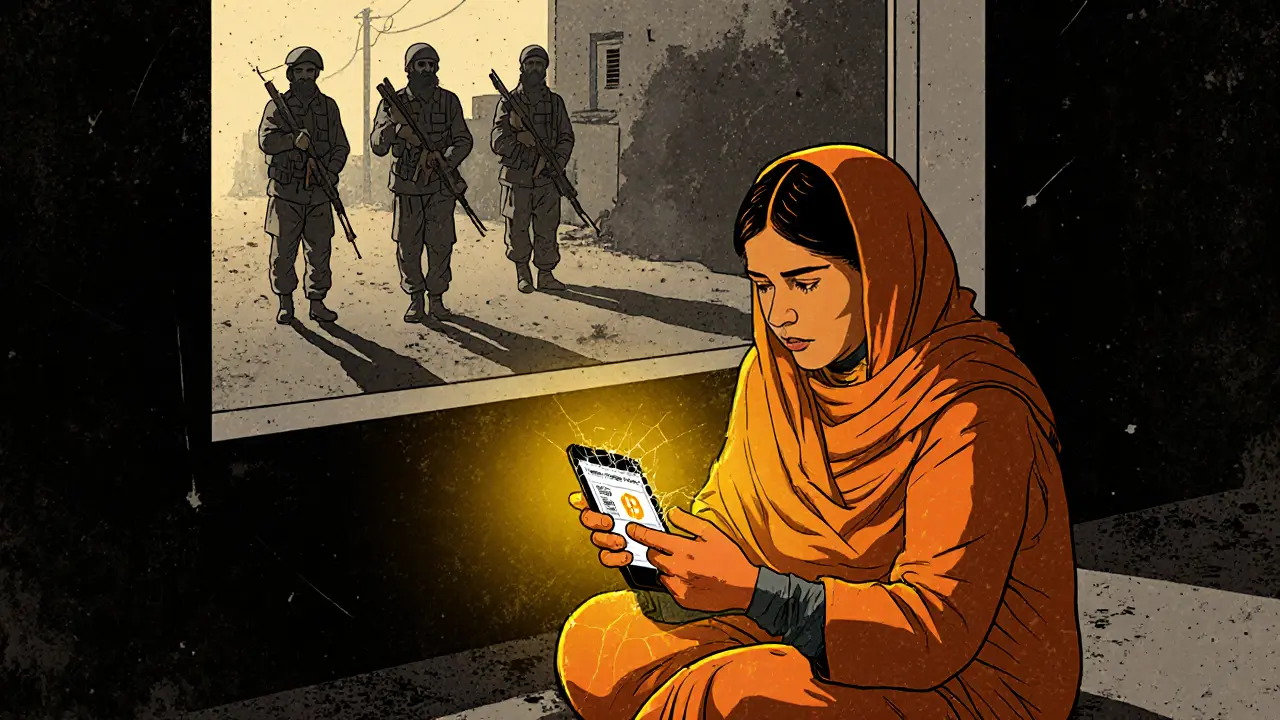
Afghanistan's Crypto Ban After the Taliban Takeover: What Happened and Why It Still Matters
After the 2021 Taliban takeover, Afghanistan saw a surge in crypto use as people turned to Bitcoin and USDT to survive economic collapse. In 2022, the regime banned it all-calling it haram. But underground trading continues, becoming a lifeline for women, refugees, and families. The ban is enforced, but not effective.
View More