Afghanistan Crypto Survival Calculator
Calculate Your Family's Minimum Survival Needs
(Adds 20% transaction fees)
Minimum Monthly Needs
Total Cost:
$0.00
Required USDT:
0.00 USDT
Equivalent to:
0.00 AFG
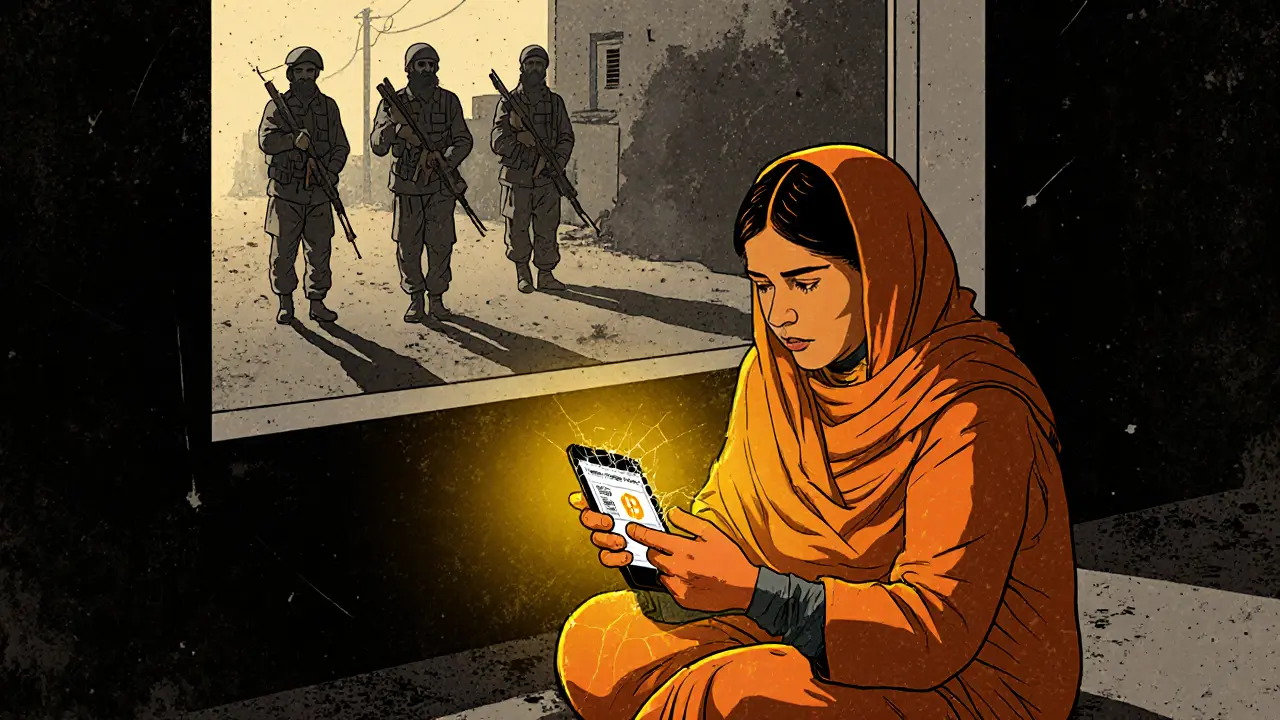
When the Taliban took control of Afghanistan in August 2021, no one expected cryptocurrency to become a lifeline for millions. But within months, it did. With banks frozen, foreign aid cut, and the economy collapsing, Afghans turned to Bitcoin and USDT to feed their families, pay for medicine, and send money home. Then, less than a year later, the Taliban banned it all.
The Rise of Crypto in a Broken Economy
Before the Taliban returned, Afghanistan had almost no crypto presence. Internet access was limited-only about 20% of the population had it. But in 2021, everything changed. International sanctions froze over $9 billion in Afghan central bank reserves. Banks shut down. Salaries went unpaid. People couldn’t withdraw cash. In that vacuum, crypto stepped in. By late 2021, Afghanistan ranked 20th in the world for crypto adoption, according to Chainalysis. That’s more than countries like Germany and Canada. People used peer-to-peer platforms like Paxful and LocalBitcoins to trade Bitcoin for Afghanis. They bought USDT-Tether-to store value when the local currency was crashing. For many, crypto wasn’t an investment. It was survival. Women, especially, relied on it. Under Taliban rule, women were barred from most jobs, universities, and even public spaces. Without ID cards or bank accounts, they had no access to traditional finance. But crypto? It didn’t need paperwork. It didn’t need a man’s permission. A woman could receive money from a relative abroad, store it in a phone wallet, and use it to buy food or send it to a sister in another city. Crypto gave them a quiet kind of freedom.The Ban: Religious Justification, Real Consequences
In August 2022, the Taliban’s Ministry of Economy issued a decree: all cryptocurrency activity was haram-forbidden under Islamic law. The official reason? Cryptocurrencies were called “gambling” because they weren’t backed by gold or government. They had no intrinsic value, the Taliban argued. They were unstable. They were dangerous. But the real reason was control. The Taliban didn’t want people moving money outside their reach. They didn’t want transactions they couldn’t track. They didn’t want citizens building financial independence outside the state. The ban was absolute. All exchanges were shut down. Miners were arrested. Traders were raided. In Kabul, police raided homes looking for phones with crypto apps. One trader, a 32-year-old father of three, was jailed for three months after police found $2,000 in USDT on his phone. He wasn’t selling. He was using it to pay his daughter’s medical bills. Within months, monthly crypto transactions in Afghanistan dropped from $10 million to just $80,000. The official market died. But the underground didn’t.Underground Crypto: The New Black Market
The ban didn’t stop crypto. It just pushed it deeper. Today, crypto in Afghanistan exists in whispers. People trade over encrypted apps like Signal and Telegram. They meet in parks or basements to swap cash for Bitcoin. Some use cash-in-cash-out kiosks run by local traders who act as unofficial exchanges. USDT remains the most popular-easy to send, easy to hold, easy to convert back into Afghanis. The Taliban can’t shut this down. Why? Because it’s not a platform. It’s not an app. It’s people. It’s trust. It’s a network of neighbors helping neighbors. One man in Herat told a journalist: “If I don’t use Bitcoin, my wife and children starve. Do you think I care if it’s illegal?” Even the Taliban’s own officials admit they can’t stop it. They lack the tech skills. They lack the manpower. And most importantly, they lack the moral authority to deny people food.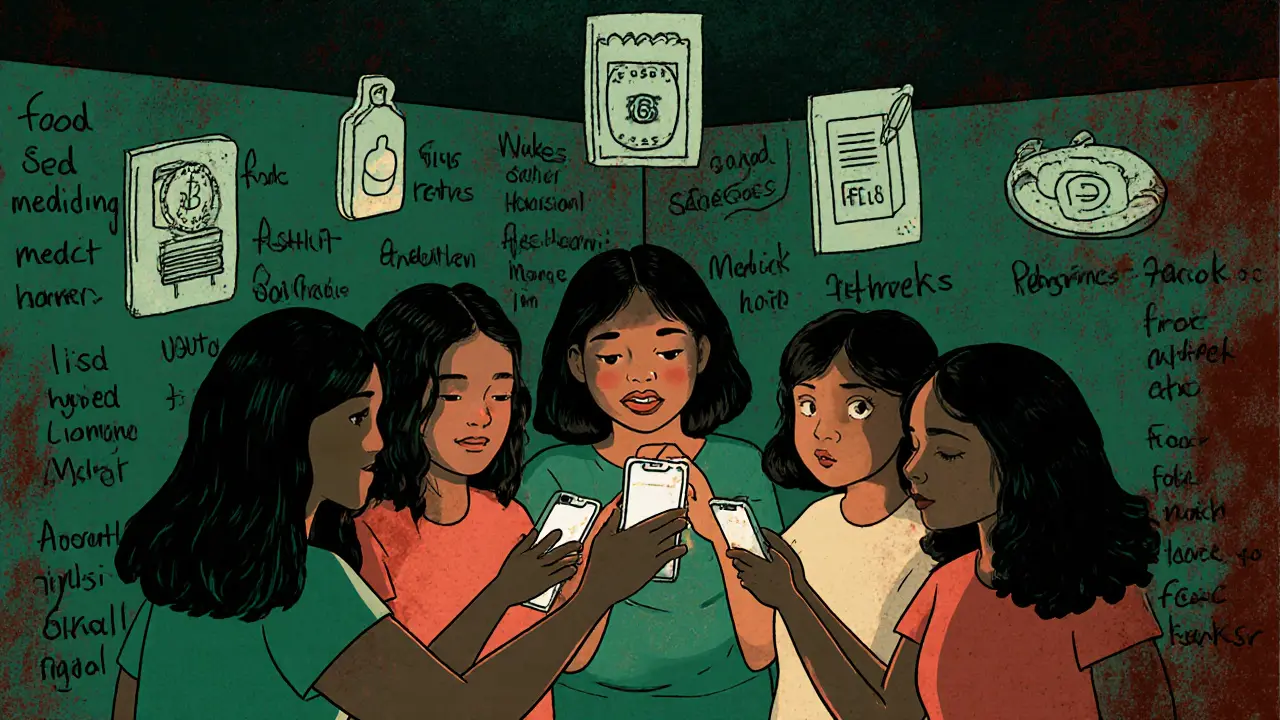
Who’s Still Using Crypto-and Why
The biggest users today are women, refugees, and families receiving aid from abroad. Roya Mahboob, a tech activist who runs a digital education program for Afghan women, says her group teaches women how to use Bitcoin wallets through WhatsApp tutorials. “They don’t care about blockchain,” she says. “They care about feeding their kids. Crypto is the only thing that lets them do that without asking permission.” Refugees in Pakistan and Iran use crypto to send money back to families still inside Afghanistan. Traditional remittance services like Western Union stopped operating after the ban. Hawala networks-the old informal money system-got slower, more expensive, and more dangerous. Crypto filled the gap. Even the Taliban’s own relatives use it. Multiple sources inside the regime have confirmed that some officials quietly hold Bitcoin to protect their wealth from inflation and sanctions. The ban, in practice, is for the poor.A Global Outlier in a Changing World
Afghanistan is now one of only nine countries in the world that officially ban Bitcoin. The rest are moving the other way. Morocco lifted its crypto ban in 2024. Egypt is drafting regulations. Even China, once the strictest enforcer, now allows blockchain tech while keeping speculative trading restricted. The global trend is clear: governments are learning to coexist with crypto, not crush it. Afghanistan stands alone. And it’s not because crypto is dangerous. It’s because the Taliban see financial freedom as a threat. The irony? The very tool that helped Afghans survive the economic collapse is now the one thing the regime fears most.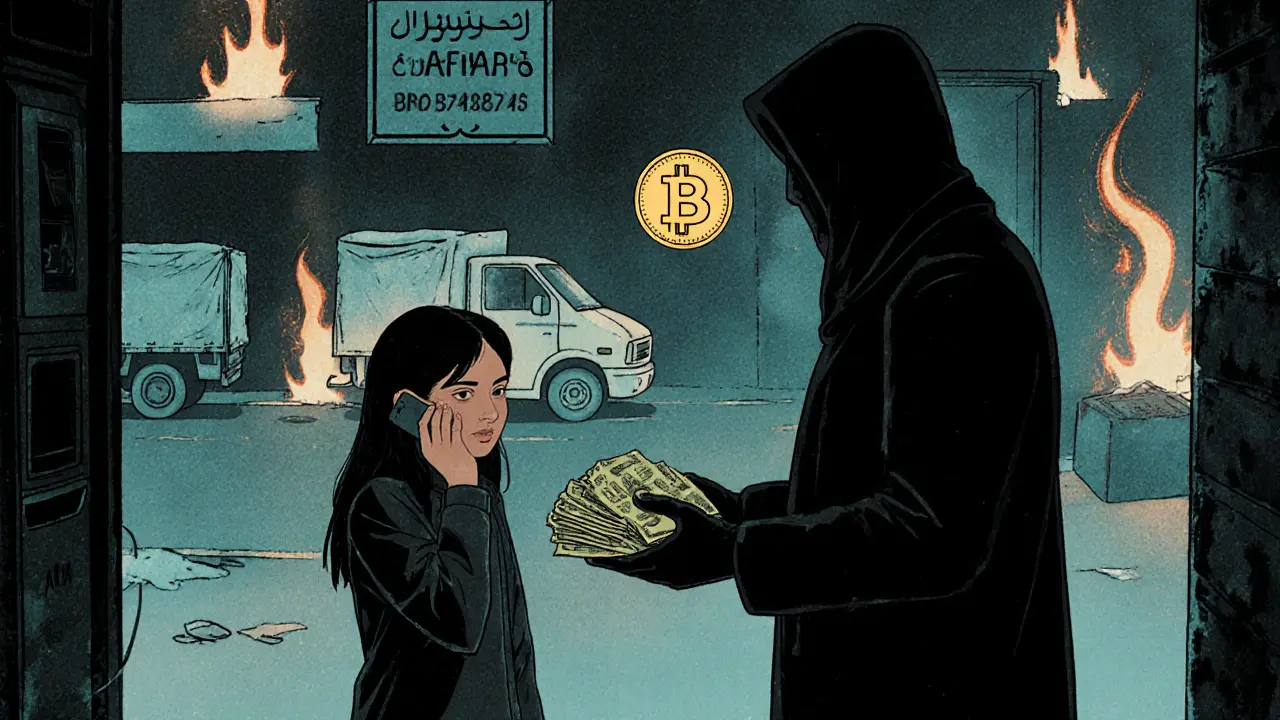

Sarah Locke
December 1, 2025 AT 11:55This is one of the most heartbreaking things I’ve ever read. Women in Afghanistan are using crypto not to get rich, but to keep their kids alive. No bank account? No ID? No problem. A phone and a wallet app become their lifeline. The Taliban don’t just ban money-they ban dignity. And yet, these women keep going. I’m in awe.
Someone needs to make a documentary on this. Not with fancy cameras, but with voice memos from mothers whispering in the dark. This isn’t finance. It’s survival.
I’m donating to Afghan women’s crypto education groups today. If you’re reading this and you’re not moved, I don’t know what to tell you.
Mani Kumar
December 2, 2025 AT 21:01Unregulated digital assets in a failed state are not a solution-they are a symptom of institutional collapse. The Taliban’s ban is crude, but the underlying issue is the absence of a functional monetary system. Crypto is not empowerment; it’s chaos with a blockchain veneer.
Tatiana Rodriguez
December 3, 2025 AT 21:02Okay, I need to take a breath. I just cried reading this. I mean, imagine being a woman in Kabul, banned from work, banned from school, banned from walking outside alone-and then you get a text from your cousin in Canada saying, ‘I sent you 0.05 BTC.’ That’s not money. That’s a hug. That’s a heartbeat. That’s hope wrapped in a QR code.
And the Taliban? They raid homes for phones. They jail fathers for paying medical bills. They think they’re protecting Islam. But Islam teaches compassion. Islam teaches feeding the hungry. So why are they starving their own people? I don’t get it.
People are trading Bitcoin in parks. In basements. In the back of taxis. This isn’t a black market-it’s a human network. And it’s beautiful. And it’s terrifying. And it’s the only thing keeping millions alive.
I’m telling everyone I know about this. We have to amplify these stories. Not just for awareness-for action. This isn’t politics. This is humanity.
Philip Mirchin
December 4, 2025 AT 00:47My cousin works with refugees in Pakistan. He says the biggest shift since the ban? Hawala got slower and sketchier. Now, people are texting each other USDT addresses like they’re sending Snapchat stickers. One guy told him he uses a fake name on a WhatsApp group called ‘Bread & Bitcoin.’ No one knows who’s who. Just numbers. And trust.
It’s wild. The Taliban can’t shut this down because it’s not a company. It’s not an app. It’s just people helping each other. And that’s the scariest thing for authoritarian regimes-they can’t control human connection.
Also, the fact that their own relatives are holding BTC? Classic hypocrisy. The ban’s for the poor. The rich? They’ve got offshore wallets. Always.
Britney Power
December 4, 2025 AT 01:25Let’s be clear: the entire narrative here is emotionally manipulative propaganda. Crypto is a speculative asset class with no intrinsic value, and its adoption in Afghanistan is a direct consequence of economic mismanagement by Western-backed regimes prior to 2021. The Taliban’s ban is a rational response to financial destabilization. To frame this as a human rights issue is to ignore the fact that cryptocurrency enables money laundering, terrorist financing, and capital flight. The real tragedy is not the ban-it’s that the international community continues to romanticize unregulated digital instruments as tools of liberation, when they are, in fact, tools of exploitation.
Moreover, the claim that women are ‘empowered’ by crypto is dangerously naive. Without identity verification, how can we ensure these transactions aren’t being coerced? How do we know these wallets aren’t being controlled by male relatives? The absence of regulation does not equal autonomy. It equals vulnerability.
And let’s not forget: Afghanistan’s crypto adoption was never organic. It was fueled by foreign NGOs pushing digital wallets without infrastructure, education, or safeguards. This isn’t grassroots innovation. It’s digital colonialism with a hashtag.
Maggie Harrison
December 4, 2025 AT 04:03🥹😭 I’m literally sitting here with tears in my eyes. This is the most beautiful and tragic thing I’ve ever read. Crypto isn’t about speculation here. It’s about mothers feeding their kids. It’s about a 19-year-old med student getting her textbooks because her brother sent her USDT. It’s about silence being louder than any protest.
People think tech is about apps and startups. But in Afghanistan? Tech is a whispered message in Signal. A phone hidden under a burqa. A QR code that means ‘I’m still alive.’
They can ban Bitcoin. They can jail traders. But they can’t jail hope. 🌱
Someone please start a GoFundMe to buy prepaid phones for Afghan women so they can keep using crypto. I’ll match it.
Lawal Ayomide
December 4, 2025 AT 10:44You people don’t understand. This isn’t about crypto. It’s about power. The Taliban don’t care if you eat. They care if you obey. Crypto means no one controls you. That’s why they hate it. Not because it’s haram. Because it’s free.
justin allen
December 5, 2025 AT 05:00Wow, another ‘poor Afghan women’ sob story from the woke left. Let me guess-next you’ll say the Taliban are evil because they don’t like crypto? Newsflash: most of the world bans gambling, and crypto IS gambling. You think the U.S. government would let people bypass the banking system? Of course not. We have regulations for a reason.
And don’t even get me started on this ‘women empowerment’ nonsense. Women in Afghanistan were better off under the U.S. occupation. Now they’re being exploited by crypto grifters and foreign NGOs playing hero. Wake up.
Stop romanticizing chaos. This isn’t resistance. It’s anarchy-and you’re cheering it on.
ashi chopra
December 6, 2025 AT 16:51I read this with my hands shaking. I’m from India, and I’ve seen how quickly trust can be destroyed in fragile systems. But what’s happening in Afghanistan? It’s not just survival. It’s sacred. People are risking jail to send money to their sisters. To buy insulin. To keep a child warm.
I don’t know how to fix this. But I know I can’t look away.
Thank you for writing this. I’m sharing it with my entire family tonight.
Darlene Johnson
December 8, 2025 AT 11:54This whole story is a setup. Crypto bans are always followed by mass surveillance. The Taliban are just the front. The real players? The IMF, the World Bank, and Silicon Valley VC’s pushing crypto as a tool for destabilizing sovereign nations. This isn’t about freedom-it’s about control. They want Afghanistan to be a testbed for decentralized financial warfare. The ban? A distraction. The real goal is to make the population dependent on invisible digital systems they can’t even understand.
And don’t believe the ‘women using crypto’ fairy tale. Those wallets are being tracked. Every transaction is logged. They’re being turned into data points for global algorithms. This isn’t liberation. It’s digital slavery with a pretty UI.