Cryptocurrency Ban Turkey: What Happened and How It Compares to Other Countries
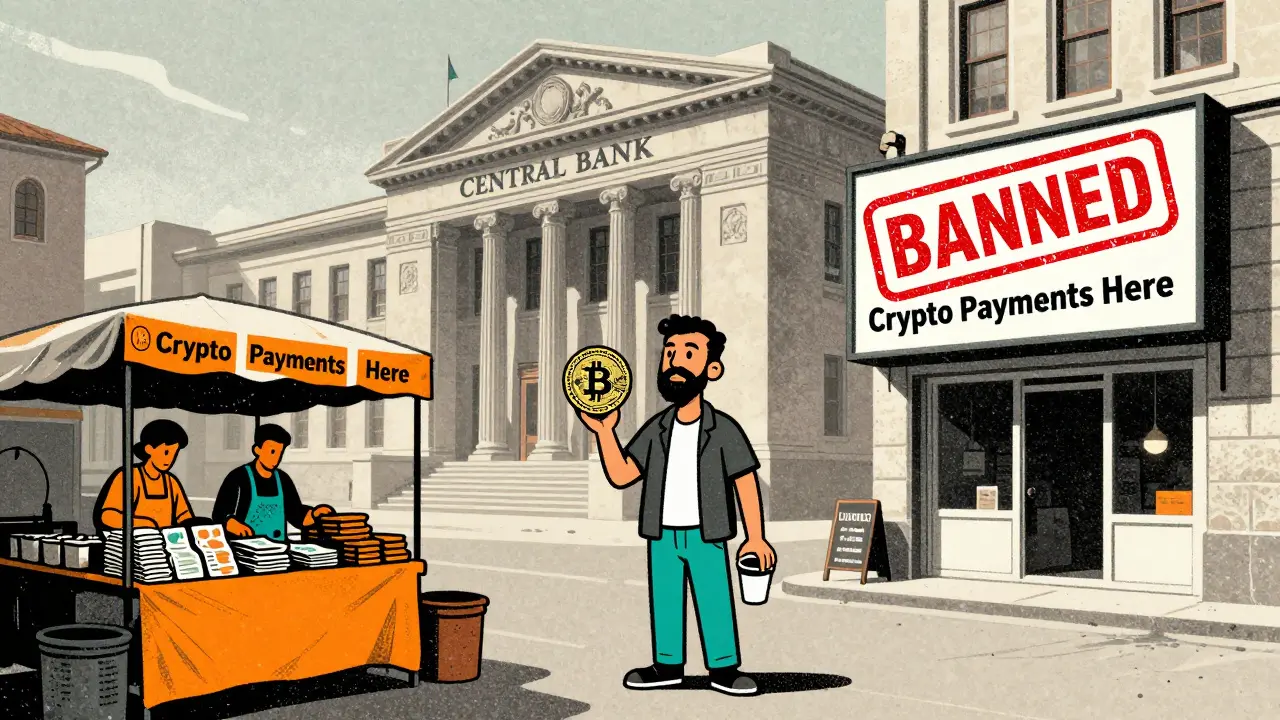
When Turkey banned cryptocurrency payments, a policy that stopped businesses from accepting Bitcoin and other digital assets as payment in 2021, it didn’t outlaw owning crypto—but it made using it in daily life nearly impossible. The central bank said the move was to protect consumers from volatility and fraud, but many saw it as a response to the lira’s collapse and a surge in crypto-driven remittances. People still bought Bitcoin, USDT, and Ethereum on peer-to-peer platforms, and local exchanges like Paribu and BtcTurk kept operating, just without direct bank links. The ban didn’t stop adoption—it just pushed it underground, like what happened in Algeria, a country that also banned crypto transactions but saw a thriving black market, or Afghanistan, where the Taliban outlawed crypto but women still used it to send money abroad.
What makes Turkey’s case unique is how it contrasts with other places that tried similar bans. In Vietnam, the government banned crypto as payment but still saw over $91 billion in annual transactions, because people used it for remittances and gaming. In Algeria, the ban came with jail time, yet crypto wallets kept growing. Turkey’s version was softer: no arrests, no fines, just a legal wall between banks and crypto exchanges. But that wall didn’t hold. Today, Turkish users trade on decentralized platforms, use crypto as a hedge against inflation, and even pay for local services via QR codes linked to wallets. The government’s goal was to control capital flight—but instead, it created a generation of crypto-savvy citizens who know how to bypass restrictions. Meanwhile, global crypto adoption keeps rising, and countries like Singapore and the U.S. are building frameworks that encourage innovation, not block it. The lesson? You can ban crypto payments, but you can’t ban people’s need for financial freedom.
What you’ll find below are real stories and data from places where crypto was banned, restricted, or ignored by governments—each one showing how people adapt when the system fails them. From mining in Kazakhstan to stablecoin use in Iran, these posts don’t just explain rules—they show what happens when those rules hit the real world.
Turkey's Pivot Toward Comprehensive Crypto Regulation: What It Means for Traders and Businesses
Turkey has transformed its crypto landscape with strict licensing, payment bans, and powerful enforcement. Traders can still buy Bitcoin, but spending it is illegal. Here's how the new rules work-and who they really serve.
View More