Cryptocurrency in India: Adoption, Challenges, and Real-World Use
When people talk about cryptocurrency in India, a rapidly growing but legally ambiguous ecosystem where millions trade, invest, and use digital assets despite regulatory uncertainty. Also known as digital currency in India, it’s not just speculation—it’s a lifeline for remittances, small businesses, and young investors locked out of traditional finance. While the Indian government has never banned crypto, it’s never fully legalized it either. That middle ground hasn’t stopped over 15 million Indians from holding digital assets, according to Chainalysis data. They’re not waiting for permission—they’re building use cases on their own terms.
One of the biggest drivers is remittances, the flow of money from Indians working abroad back home. Traditional services like Western Union charge 5–7% fees. Crypto cuts that to under 1%, with transfers settling in minutes instead of days. That’s why platforms like Binance P2P and WazirX see heavy traffic from the Gulf, the U.S., and Europe. Another key player is DeFi, a system of open financial apps built on blockchains that don’t need banks. Indians are using DeFi protocols to earn interest on stablecoins, borrow against crypto, and trade without KYC. Even with bank account freezes and withdrawal limits, they’re finding ways in.
Regulation keeps shifting. The Reserve Bank of India once blocked banks from serving crypto firms, but that ban was overturned by the Supreme Court in 2020. Now, the government wants to tax crypto at 30% and add a 1% TDS on every trade. That doesn’t stop users—it just pushes activity into peer-to-peer markets and offshore exchanges. Meanwhile, local exchanges like CoinDCX and ZebPay have grown into trusted names, offering easy on-ramps and educational tools for beginners. The real story isn’t about legality—it’s about adaptation. People in cities like Bangalore, Pune, and Hyderabad are using crypto not as a gamble, but as a tool: to send money to family, hedge against inflation, or start a side income through staking and yield farming.
What you’ll find in the posts below are real stories from the ground: how Iranians use EXIR under sanctions, how Algerians bypass bans, how Vietnam’s $91 billion crypto flow defies government rules. India’s situation isn’t unique—it’s part of a global pattern where people use crypto when traditional systems fail them. You’ll see how blockchain enables cross-border payments, how vesting terms affect token holders, and how whale activity can move markets. These aren’t abstract ideas. They’re daily realities for millions who don’t wait for approval—they just act.
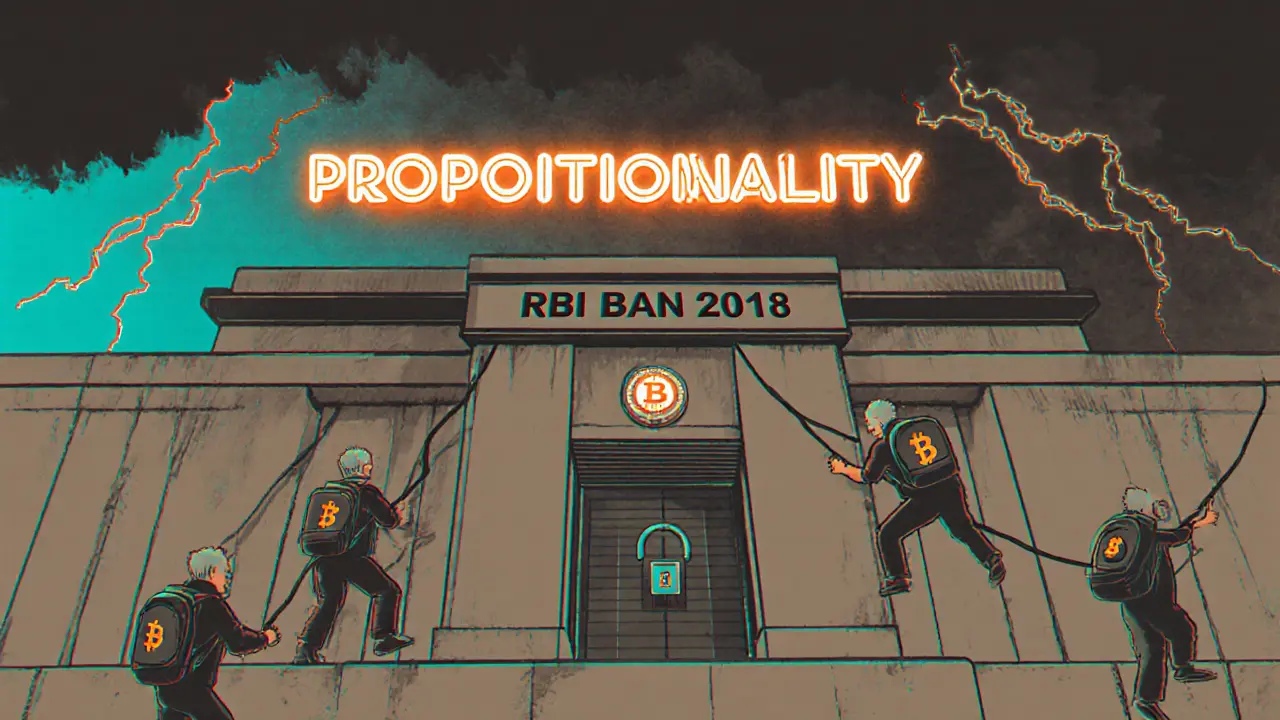
RBI Banking Ban Reversal: What Changed for Crypto in India After the Supreme Court Victory
After the RBI's 2018 crypto banking ban, India's Supreme Court overturned it in 2020, restoring access to banks and reigniting the crypto market. Here's what changed - and what still hangs in the balance.
View More