Cryptocurrency Restrictions: What’s Banned, Where, and How People Still Access Crypto
When we talk about cryptocurrency restrictions, government rules that limit or block the use, trading, or mining of digital assets. Also known as crypto bans, these rules vary wildly—from outright criminalization to heavy compliance traps. In places like Algeria and Iran, owning crypto can land you in jail. In the U.S., it’s not illegal, but OFAC sanctions, U.S. government rules that freeze transactions tied to sanctioned individuals or countries make it risky for exchanges to serve certain users. These aren’t just legal technicalities—they’re real barriers that shape who can use crypto and how.
Some countries ban crypto because they fear losing control over money. Others ban it because they don’t understand it. But in both cases, people find ways around it. In Algeria, where crypto is illegal, users rely on peer-to-peer networks and foreign exchanges with VPNs. In Iran, under U.S. sanctions, the only legal option is EXIR, a slow, clunky exchange built just for locals. Meanwhile, countries like Singapore don’t ban crypto—they regulate it tightly, attracting big players by making compliance clear. The pattern? Where there’s demand, there’s a workaround. And that’s why Bitcoin mining, the process of validating transactions and securing the network through computational power keeps shifting. When China cracked down, mining moved to the U.S., Kazakhstan, and Canada. When Russia faced sanctions, miners switched to cheaper power and hidden operations. It’s not about the tech—it’s about who controls access.
What you’ll find in this collection isn’t just a list of banned countries. It’s a look at how real people navigate these restrictions, what tools they use, and what happens when the rules change. You’ll see how Algeria’s ban pushed trading underground, how OFAC compliance forces crypto businesses to build filters before they even launch, and why Singapore’s strict rules actually make it safer for institutions. These aren’t abstract policies—they’re daily realities for traders, miners, and everyday users trying to stay ahead. Whether you’re in a country with open access or one where holding crypto is risky, understanding these restrictions helps you protect yourself, spot scams, and make smarter moves.

Costa Rica Doesn't Recognize Crypto as Legal Tender - Here's What That Really Means
Costa Rica doesn't recognize cryptocurrency as legal tender, but allows crypto businesses under strict AML rules. Here's how it works, why banks refuse service, and what you need to know before starting a crypto company there.
View More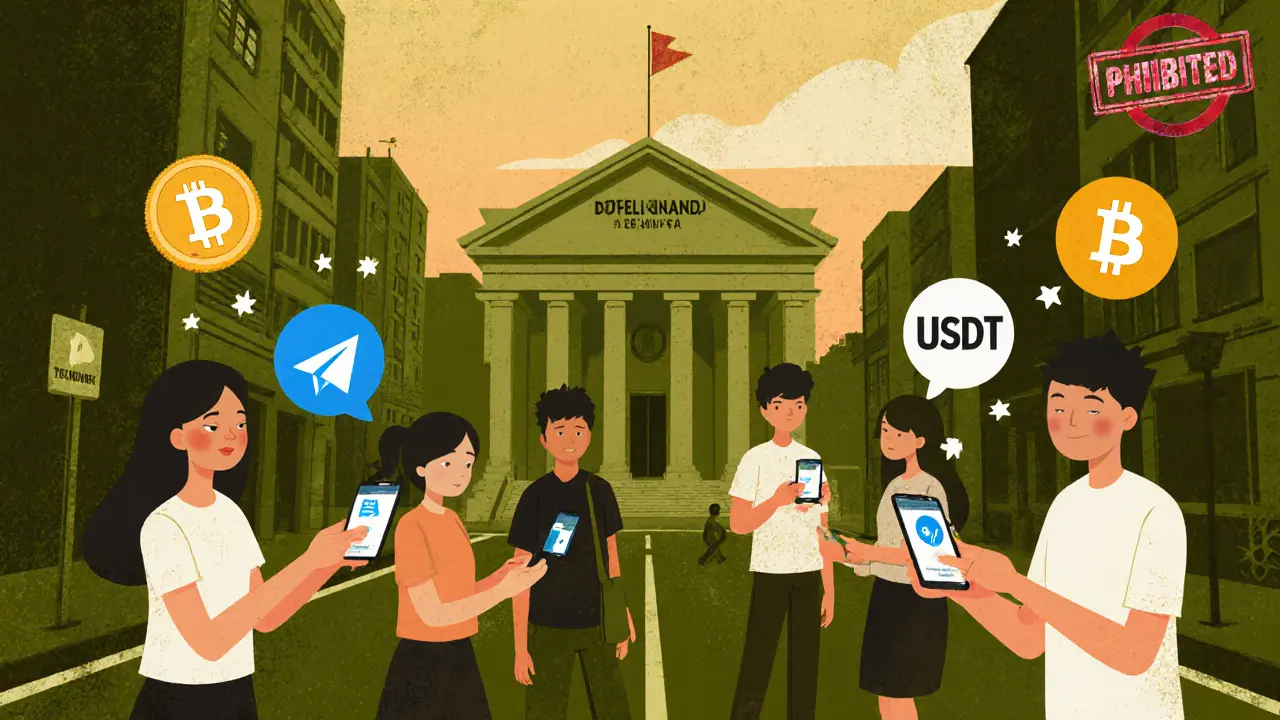
Vietnam's $91 Billion Crypto Flow: How Restrictions Shape a Global Adoption Leader
Despite strict restrictions, Vietnam sees over $91 billion in annual crypto transactions, driven by grassroots adoption, tech talent, and real-world use cases like remittances and play-to-earn gaming. The government bans crypto as payment, but people are finding ways to use it anyway.
View More