Peer-to-Peer Energy: How Blockchain Is Changing How We Trade Power
When you think of peer-to-peer energy, a system where homeowners with solar panels sell excess power directly to neighbors without a utility company in between. Also known as decentralized energy trading, it’s not science fiction—it’s running right now in Brooklyn, Texas, and even rural parts of Canada. This isn’t just about saving money on your electric bill. It’s about rewriting who controls power. Instead of big utilities setting prices and rules, people with solar panels, batteries, or even smart thermostats become active players in a local energy network.
At the heart of this shift is blockchain energy, a secure, transparent ledger that records every kilowatt traded between neighbors. Think of it like Venmo for electricity: when your neighbor uses power from your rooftop panels, the transaction is logged, verified, and paid out automatically—no paperwork, no delays. This tech removes the middleman, cuts fees, and gives users real control. It’s why projects like Brooklyn’s LO3 Energy and Ontario’s Power Ledger are growing fast. And it’s not just for sunny areas. Even in places with long winters, small-scale wind or geothermal systems can join these networks.
energy trading, the buying and selling of electricity between individuals or small businesses on these platforms isn’t just theoretical. In 2024, pilot programs in the U.S. and Australia proved households could earn $100 to $300 a year by selling surplus power. Some even use crypto tokens as payment—turning energy into a digital asset. This ties directly into crypto energy, the use of blockchain-based tokens to incentivize clean power generation and grid participation. It’s not about speculation. It’s about rewarding people for doing the right thing: generating clean power and sharing it.
What you’ll find below are real examples of how this is working—from solar co-ops in California to microgrids in Quebec. You’ll see how blockchain is helping communities stay powered during outages, how utilities are starting to partner with these systems, and why some projects succeed while others fade. No fluff. No hype. Just what’s actually happening on the ground, and how you might join in.
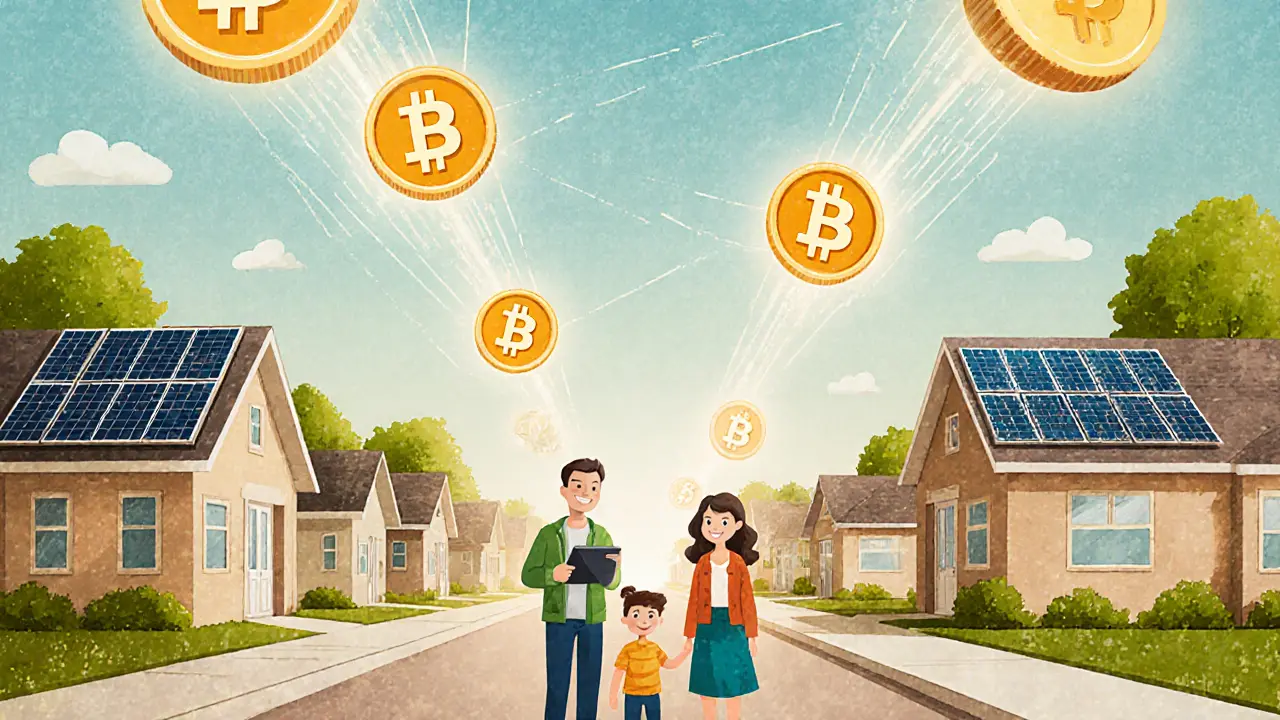
Benefits of Blockchain Energy Trading: How Peer-to-Peer Power Markets Are Changing Energy
Blockchain energy trading lets homeowners sell solar power directly to neighbors, cutting costs, boosting renewables, and making the grid more resilient. No middlemen. No delays. Just fair, automated deals.
View More