RBI Crypto Ban: What It Means for India and Global Crypto Users
When the Reserve Bank of India, India’s central banking authority responsible for monetary policy and financial regulation. Also known as RBI, it issued its first unofficial ban on cryptocurrency-related banking services in 2018, it didn’t outlaw crypto itself—but it made using it nearly impossible for most Indians. Banks were told not to serve crypto exchanges or users, freezing wallets, blocking deposits, and shutting down trading platforms overnight. This wasn’t a law passed by Parliament. It was a regulatory directive that had the same effect: a de facto RBI crypto ban that lasted for over two years.
The ban didn’t stop people from trading—it just made it harder. Indians kept buying Bitcoin and Ethereum through peer-to-peer platforms like LocalBitcoins and Paxful, using cash deposits, UPI transfers, and even third-party payment processors. Meanwhile, crypto exchanges like WazirX and CoinDCX moved their banking partners offshore, built escrow systems, and created workarounds that kept the market alive. The real impact wasn’t on adoption—it was on trust. People saw how quickly regulators could cut off access without warning. When the Supreme Court overturned the RBI’s directive in 2020, it wasn’t because crypto became legal—it was because the central bank hadn’t proven that crypto posed a real threat to financial stability. That ruling didn’t end regulation. It just shifted it from a blanket ban to a gray zone where taxes, reporting, and compliance rules now dominate.
Today, the RBI still doesn’t recognize crypto as legal tender. It hasn’t approved any crypto payment system. But it also doesn’t block bank accounts for crypto users anymore. The focus has moved to tracking transactions, taxing gains at 30%, and pushing for a government-backed digital rupee. Meanwhile, Indian crypto traders now operate under a new reality: high taxes, strict KYC, and constant regulatory uncertainty. The digital rupee, India’s central bank digital currency (CBDC) being developed by the RBI to replace physical cash and compete with private cryptocurrencies is the RBI’s answer to decentralized money—and it’s being rolled out quietly, without fanfare. And while global exchanges like Binance and Kraken still serve Indian users, they’ve had to adapt: no fiat on-ramps, no direct bank links, and no guarantees. The cryptocurrency regulations India, the evolving legal and tax framework governing digital asset trading and ownership in India are still being written, but one thing is clear: the RBI’s early ban didn’t kill crypto. It forced it to go underground, then evolve.
What follows are real stories and breakdowns from people who lived through the ban, exchanges that survived it, and the tools now used to navigate India’s complex crypto environment. You’ll find reviews of platforms still working under restrictions, guides on how to report crypto taxes, and deep dives into why the RBI still fears decentralized money—even as millions use it daily.
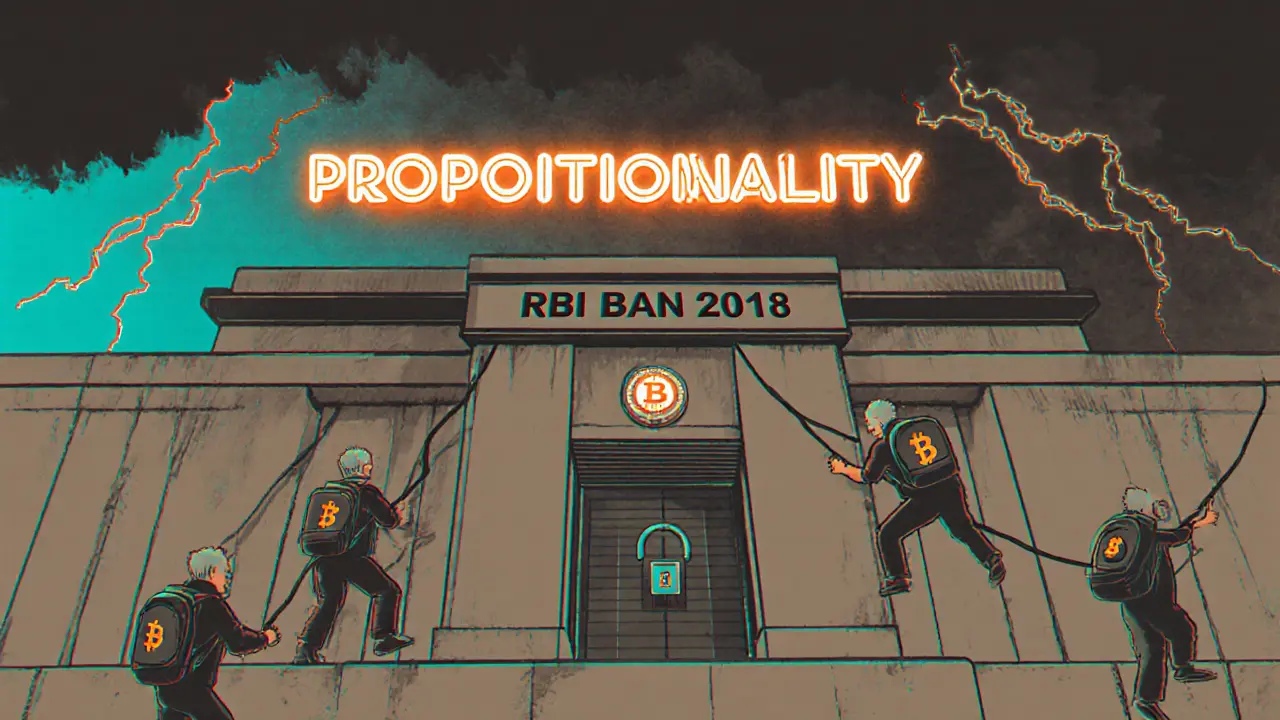
RBI Banking Ban Reversal: What Changed for Crypto in India After the Supreme Court Victory
After the RBI's 2018 crypto banking ban, India's Supreme Court overturned it in 2020, restoring access to banks and reigniting the crypto market. Here's what changed - and what still hangs in the balance.
View More