Supreme Court crypto ruling: What it means for U.S. crypto users
When we talk about the Supreme Court crypto ruling, a potential landmark legal decision that could define how cryptocurrency is treated under U.S. federal law. It’s not just about Bitcoin or Ethereum—it’s about whether the government can control how you use digital money, who gets to regulate it, and what happens when state and federal rules clash. Right now, crypto operates in a gray zone. The SEC sues exchanges. The IRS taxes transactions. The CFTC claims jurisdiction over derivatives. But none of them have clear, final authority—and that’s where the Supreme Court could step in.
If the Court takes a case, it won’t just settle a dispute—it could rewrite the rules for crypto regulation U.S., the patchwork of agency actions that currently govern digital assets. crypto compliance, the cost and complexity of following rules that keep changing—could become simpler or far more expensive overnight. For example, if the Court sides with crypto firms and says the SEC overstepped in labeling tokens as securities, hundreds of projects might be freed from burdensome registration rules. But if the Court backs the SEC, even small DeFi apps could be forced to register like banks. This isn’t theoretical. We’ve seen courts already split on whether staking is investing or just using software. We’ve seen the DOJ freeze wallets without charges. And we’ve seen users lose access to their funds because regulators didn’t agree on who had the right to act.
The cryptocurrency legal status, whether digital assets are property, currency, or something entirely new—is still being fought out in lower courts. But the Supreme Court has the final say. And when it speaks, it doesn’t just affect exchanges. It affects miners in Texas, remittance users in Mexico, DeFi devs in California, and everyday people who use crypto to save or send money. The ruling could make crypto more accessible—or push it further underground. The posts below cover what’s already happening: how OFAC enforces sanctions on crypto, how states like Texas and Wyoming are carving out their own rules, and how blockchain projects are preparing for legal shifts. You’ll find real examples of what’s at risk, who’s being targeted, and how people are adapting—before the Court even makes its decision.
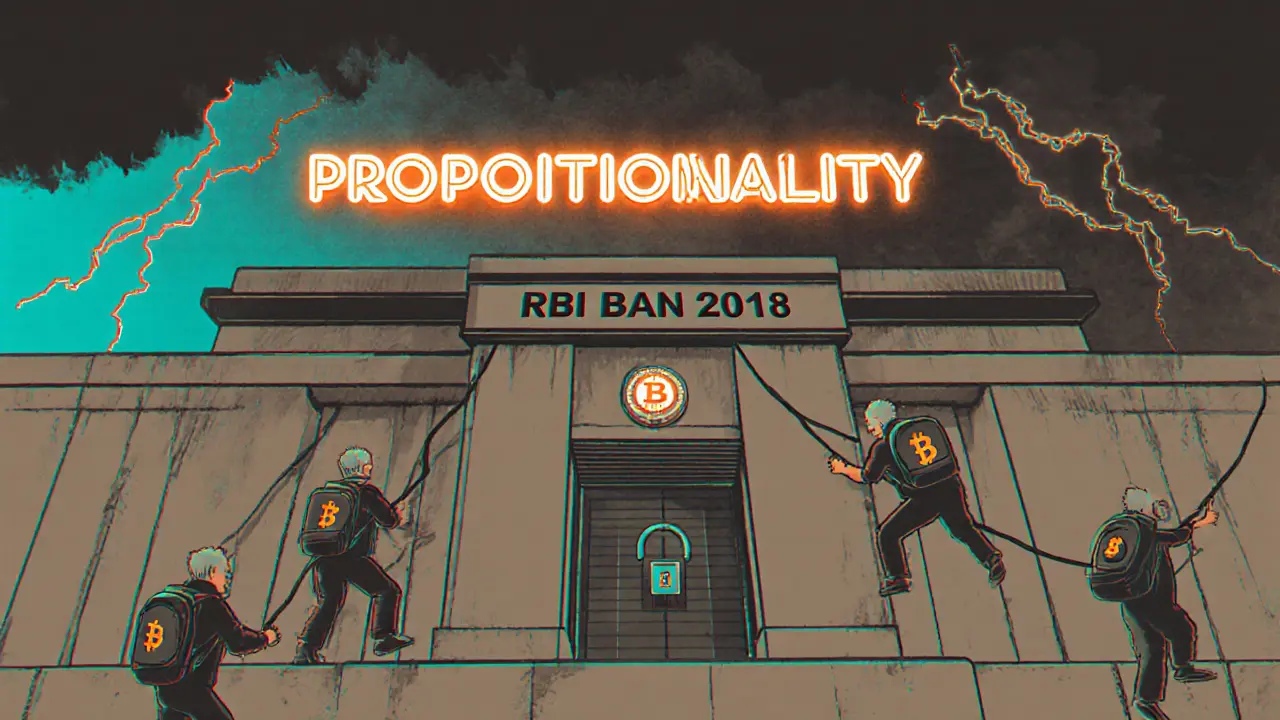
RBI Banking Ban Reversal: What Changed for Crypto in India After the Supreme Court Victory
After the RBI's 2018 crypto banking ban, India's Supreme Court overturned it in 2020, restoring access to banks and reigniting the crypto market. Here's what changed - and what still hangs in the balance.
View More