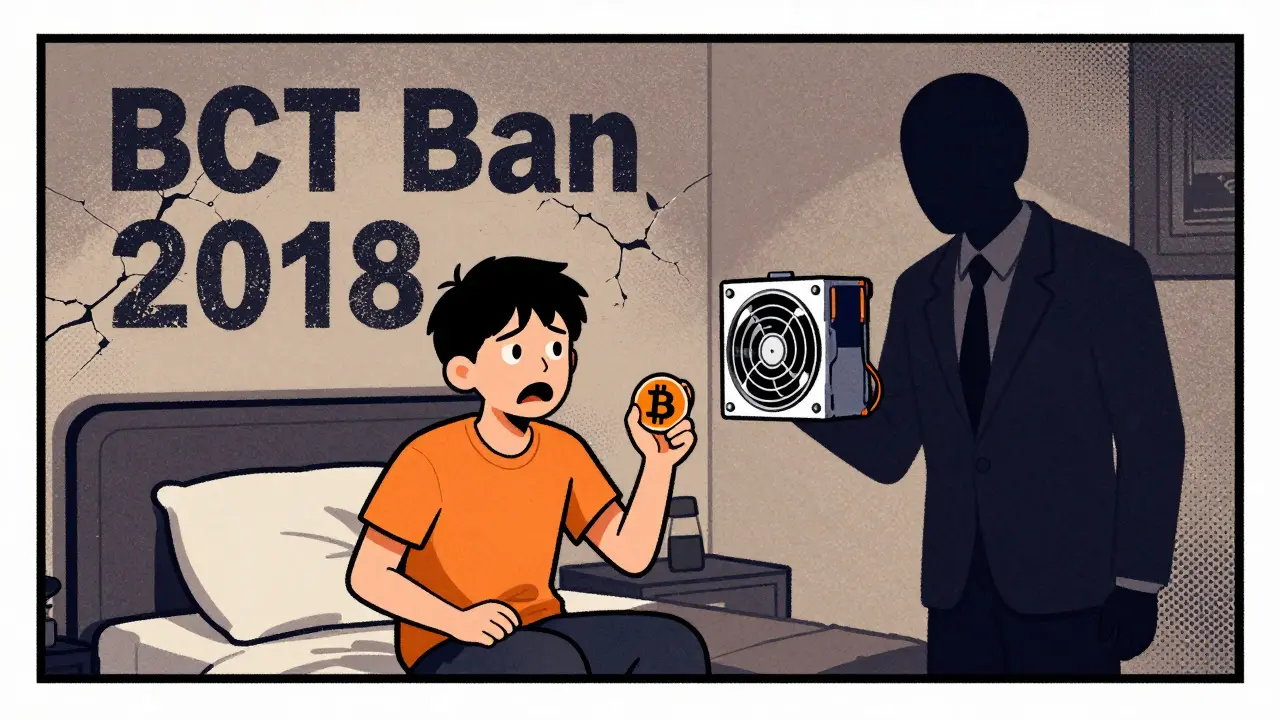
On paper, owning Bitcoin in Tunisia is a crime. Not a gray area. Not a warning. A crime punishable by up to five years in prison. Since May 2018, the Central Bank of Tunisia (BCT) has enforced a total ban on all cryptocurrency activities - trading, mining, payments, even holding digital coins. There are no exceptions. No loopholes. Just a hard line that still stands in 2026, even as the world moves forward.
What Exactly Is Banned?
The ban isn’t partial. It’s total. You can’t buy Bitcoin on Binance. You can’t sell Ethereum to a friend. You can’t pay for a coffee with Litecoin. You can’t mine crypto using a rig you imported. All of it is illegal under Tunisia’s currency control laws. The law treats cryptocurrency like foreign currency smuggling - except there’s no official exchange rate, no legal channel, no government oversight. Just silence and penalties.Financial institutions are locked in too. Banks in Tunisia block card payments to foreign crypto exchanges. If you try to use your Tunisian debit card to buy Bitcoin on Coinbase, it gets rejected. No warnings. No explanations. Just a declined transaction. And if you’re caught running a local exchange or promoting crypto to others, you could face fines or jail time.
Even mining is targeted. Customs officials have the power to seize ASIC miners at the border. If you bring one in and get caught, your equipment is confiscated. If you mine anyway - say, using a hidden rig in your basement - and then try to cash out your coins into Tunisian dinars, you’re violating the ban. The law doesn’t care if you’re just trying to earn a little extra. It doesn’t matter if you’re a student or a freelancer. If it’s crypto, it’s illegal.
Why Did Tunisia Do This?
The official reason? Protecting the Tunisian dinar. The Central Bank of Tunisia was worried about capital flight. In 2018, the economy was already under pressure. Foreign reserves were low. The currency was weakening. Officials feared that if people started using Bitcoin to send money abroad, it could drain the country’s hard currency even faster.Money laundering was another big concern. Tunisia has a history of informal financial flows, especially across its borders with Libya and Algeria. The government worried crypto could become a tool for moving money without a paper trail. That’s why they tied the ban to existing anti-money laundering rules - making crypto violations part of broader financial crime enforcement.
But here’s the twist: Tunisia doesn’t ban blockchain. In fact, the same Central Bank launched a regulatory sandbox in 2020 to test blockchain applications - just not for cryptocurrencies. Startups like VFunder and Hydro E-Blocks were allowed to build blockchain-based systems for carbon tracking, crowdfunding, and digital receipts. But they had to keep their servers outside Tunisia. Their users had to be limited. Their experiments were tightly controlled.
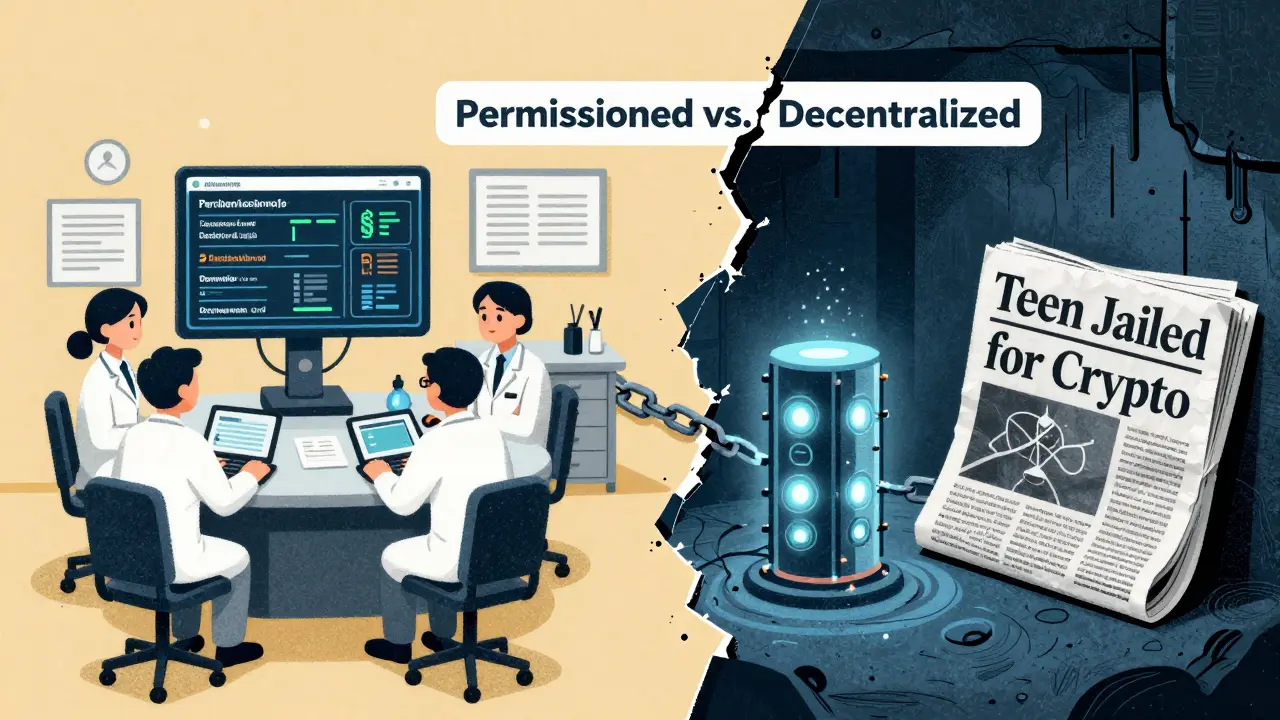
This split tells you something important: Tunisia isn’t against technology. It’s against decentralized money. The government is fine with using blockchain for land registries or subsidy distribution - as long as it’s controlled by the state. Permissioned ledgers. Centralized access. No public tokens. No peer-to-peer value exchange.
Who’s Getting Caught?
Most people don’t get arrested. That’s not how it works. Enforcement is patchy. You won’t see police knocking on doors looking for Bitcoin wallets. But when someone makes a big mistake, the state makes an example.In 2021, a 17-year-old boy in Sousse exchanged $50 worth of Bitcoin for Tunisian dinars through a friend. He didn’t run an exchange. He didn’t advertise. He just helped someone cash out. He was arrested. Charged. Sentenced to six months in juvenile detention. The case went viral. People started asking: Is this really justice? Why are we locking up teenagers for helping each other?
The case sparked rare public debate. Cabinet ministers discussed it. Journalists wrote op-eds. Online forums filled with questions. Was the ban outdated? Was it even enforceable? A year later, a parliamentary committee began drafting a bill to decriminalize simple possession of cryptocurrency. It’s still under review. But the fact that it’s being discussed at all shows the ban is cracking.
What’s Life Like Under the Ban?
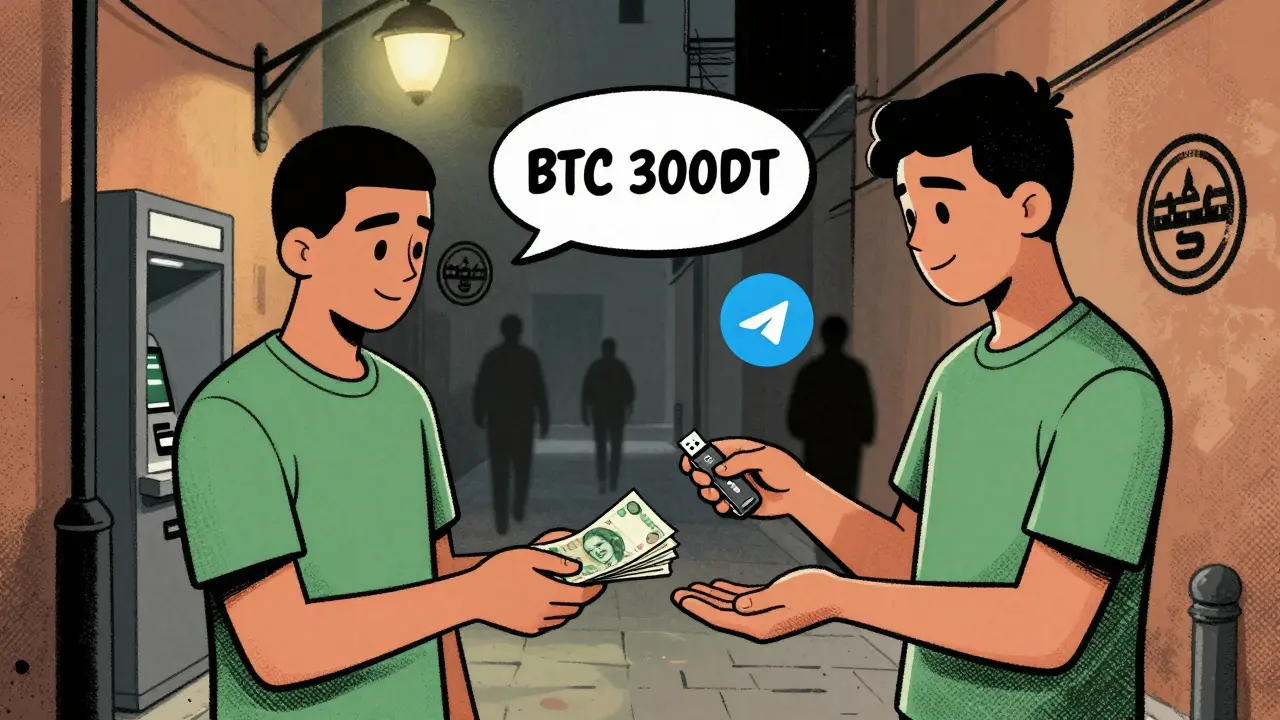
Despite the law, crypto hasn’t disappeared. It’s gone underground.Peer-to-peer trading still happens. People use WhatsApp, Telegram, and private Facebook groups to connect. One buyer, one seller. Cash in hand. No exchange. No KYC. No trace. It’s slow. Risky. But it works. Some Tunisians use crypto to send money to family abroad - especially those with relatives in Europe. Others use it to buy tools, software, or digital services that local banks won’t let them access.
But it’s not easy. Without banks, you can’t convert crypto to cash without risking legal trouble. Without exchanges, you can’t buy Bitcoin with a credit card. Without legal infrastructure, you’re stuck with informal, unregulated deals. That means higher prices. Scams. Lost money. People who try to get into crypto often end up worse off.
And there’s no education. No official guidance. No clear rules. You can’t walk into a bank and ask how to legally hold crypto - because there’s no legal way. You’re on your own. That’s why most Tunisians avoid it entirely. They don’t trust it. They don’t understand it. And they know the penalty if they get caught.
How Does Tunisia Compare to Other Countries?
Tunisia is one of only eight countries with a full crypto ban. The others? China, Qatar, Egypt, Algeria, Morocco, Nepal, and Bangladesh. That’s it. Everywhere else - even countries with strict rules - allow some form of trading, investing, or using crypto.Compare that to El Salvador, where Bitcoin is legal tender. Or Germany, where you can pay taxes in crypto. Or Singapore, where crypto firms operate under clear licenses. Tunisia isn’t just behind - it’s in a tiny, shrinking group of outliers.
Even nearby North African neighbors are moving differently. Morocco has lifted its ban on crypto trading for private individuals. Algeria allows crypto mining under strict conditions. Tunisia is the only one still holding the line on a total ban.
And the world is changing fast. In 2025, companies like PayPal, Microsoft, and Tesla accept crypto payments. The Financial Action Task Force (FATF) has global standards for regulating crypto - not banning it. Tunisia’s rules don’t just look outdated. They look disconnected from the global financial system.
What’s Next for Tunisia?
There are signs the government is reconsidering. The 2020 sandbox proved blockchain has value. The draft bill to decriminalize possession suggests leaders are starting to see the ban as more harmful than helpful. The Digital Tunisia 2025 plan includes blockchain for public records, supply chains, and subsidies - proving officials understand the technology isn’t the enemy.But change won’t come overnight. The Central Bank still fears losing control over the dinar. Currency devaluation is real. Foreign reserves are still low. And there’s no clear plan for how to regulate crypto without triggering capital flight.
Still, the pressure is building. Young people are tech-savvy. The economy needs new ways to access global markets. The ban is becoming a barrier to innovation, not a shield. The question isn’t whether Tunisia will change - it’s how fast.
Right now, the law says crypto is illegal. But the reality is more complicated. People are still using it. Leaders are starting to question the ban. And the world keeps moving forward - whether Tunisia does or not.
Is it illegal to own Bitcoin in Tunisia?
Yes. Under Tunisia’s 2018 Central Bank directive, owning, buying, selling, or trading cryptocurrency is illegal. Even holding Bitcoin in a wallet can be considered a violation of currency control laws. Penalties include fines and up to five years in prison.
Can you mine cryptocurrency in Tunisia?
Mining crypto is banned. Importing mining hardware like ASIC rigs is blocked at customs, and any mining activity - even personal - is considered illegal. If caught, your equipment can be seized, and you could face criminal charges if you attempt to convert mined coins into Tunisian dinars.
Can businesses accept crypto payments in Tunisia?
No. Businesses are strictly prohibited from accepting cryptocurrency as payment for goods or services. Any transaction involving crypto - even a small amount - is treated as a violation of the 2018 ban and can lead to legal action against the business owner.
Are there any legal ways to use crypto in Tunisia?
No direct legal ways exist for using cryptocurrency. However, the government allows blockchain technology in controlled settings through its regulatory sandbox. Projects using blockchain for land records, supply chains, or digital subsidies are permitted - as long as they don’t involve public cryptocurrencies like Bitcoin or Ethereum.
Is Tunisia planning to lift the crypto ban?
Yes, there are signs of change. As of 2025, a parliamentary committee is reviewing a draft bill that would decriminalize simple possession of cryptocurrency and create a licensing system for exchanges. While no law has changed yet, this is the most serious move toward reform since the 2018 ban.
Why doesn’t Tunisia just regulate crypto instead of banning it?
The Central Bank of Tunisia fears losing control over the national currency and capital flight. With a weak economy and low foreign reserves, officials worry that allowing crypto could lead to mass outflows of dinars. They’ve chosen to ban it outright rather than risk instability, even though most countries now use regulation instead of prohibition.
Can I use crypto to send money to family abroad from Tunisia?
Technically, no - it’s illegal. But some people do it through peer-to-peer deals, exchanging crypto for cash with someone who can send money internationally. It’s risky, unregulated, and can lead to scams or legal trouble. There’s no safe or legal channel for this right now.
What happens if I’m caught with crypto in Tunisia?
You could face fines, asset seizure (like your phone or mining rig), or even imprisonment for up to five years. Enforcement is inconsistent - most people aren’t targeted unless they’re running exchanges or moving large amounts. But the law gives authorities full power to act.
Linda Prehn
January 25, 2026 AT 23:53Clark Dilworth
January 27, 2026 AT 22:49Catherine Hays
January 29, 2026 AT 01:09Nathan Drake
January 29, 2026 AT 08:29HARSHA NAVALKAR
January 30, 2026 AT 03:25Kevin Pivko
January 30, 2026 AT 16:47MICHELLE REICHARD
January 30, 2026 AT 18:25tim ang
January 31, 2026 AT 05:55