
Imagine buying a piece of digital art or entering a raffle for high-end luxury goods, all while earning cashback in cryptocurrency. That is the promise of Artrade, a blockchain-based platform that blends the worlds of fine art, luxury fashion, and decentralized finance. At the heart of this ecosystem sits the ATR token, the native utility coin that powers transactions, governance, and rewards on the network.
If you have stumbled upon the ticker symbol ATR and are wondering if it is worth your attention, you are not alone. The crypto space is flooded with projects claiming to revolutionize specific niches. Artrade positions itself as the "Art & Luxury crypto marketplace," based in Paris, France. But does it deliver on its promises, or is it just another speculative asset? Let's break down what Artrade actually is, how the ATR token works, and whether it fits into your portfolio strategy.
The Core Concept: Art Meets Blockchain
Launched around 2021, Artrade aims to solve several pain points common in the broader NFT market. Traditional NFT platforms often suffer from high minting fees, excessive commissions, and significant environmental footprints due to energy-intensive consensus mechanisms. Artrade markets itself as the "first eco-responsible application dedicated to NFT," suggesting a commitment to sustainability, though specific technical details about which blockchains they use for carbon neutrality are sparse in public documentation.
The platform operates on two main pillars:
- Digital Art & NFTs: Users can view, buy, sell, and create non-fungible tokens. The interface is designed to be simpler and faster than competitors, targeting both creators and collectors who find existing marketplaces clunky.
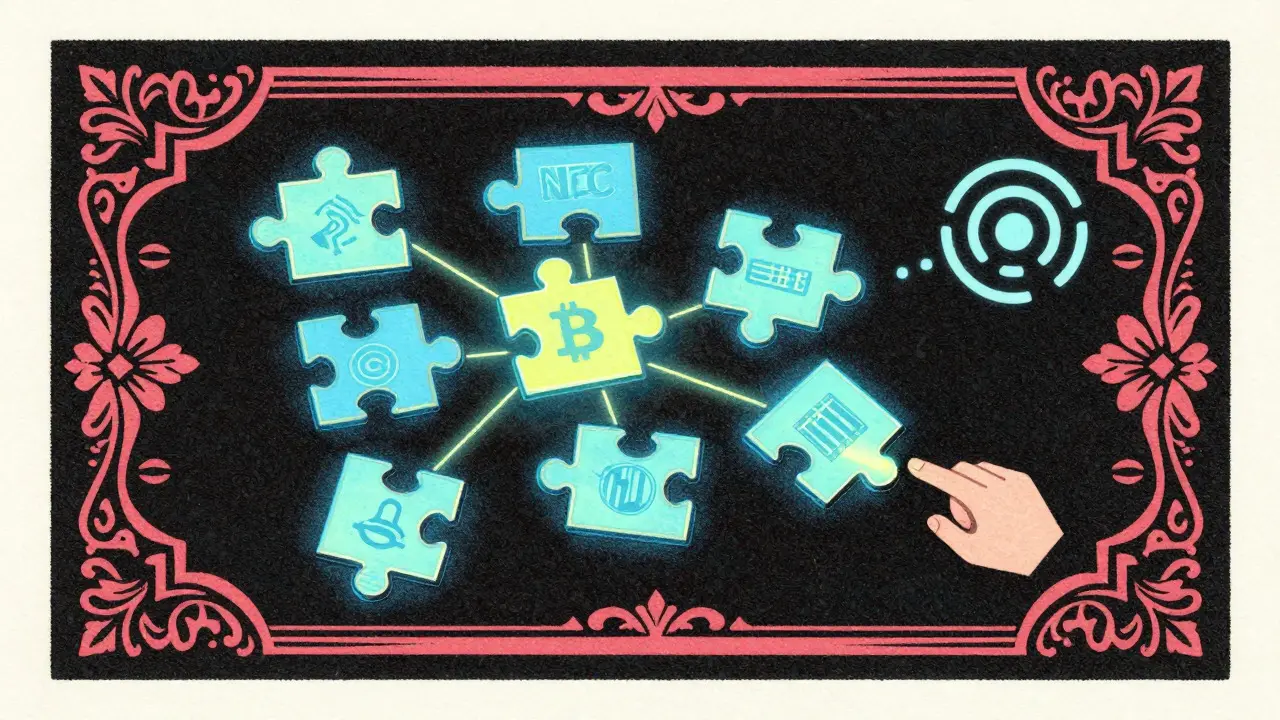
- Luxury Goods & RWA Integration: This is where Artrade differentiates itself. It bridges the gap between digital assets and real-world value through features like fractionalized ownership and NFC-enabled physical authentication.
Fractionalized ownership allows a single expensive artwork to be split into multiple tokens, making high-value art accessible to smaller investors. Meanwhile, Near-Field Communication (NFC) chips embedded in physical artworks link them to on-chain records, providing a layer of authenticity and provenance that traditional certificates lack. This approach aligns Artrade with the growing trend of Real World Assets (RWA) in crypto, where tangible items are tokenized for liquidity and transparency.
How the ATR Token Works
The ATR token is not just a currency; it is a utility tool within the Artrade ecosystem. Its primary functions include:
- Transactions: You use ATR to buy and sell artworks on the platform.
- Cashback Rewards: Both buyers and sellers receive a 2.5% cashback reward in ATR for every art transaction conducted on the marketplace. This creates an economic incentive to keep trading volume within the ecosystem.
- Governance: Holders can participate in decentralized governance, voting on platform decisions and future developments.
- Access to Exclusive Features: Staking ATR unlocks privileges such as access to "NFT Live" and "NFT Real" features, which likely refer to real-time interactions and real-world asset integrations.
- No-Loss Raffles: Perhaps the most unique feature, stakers can enter "no-loss raffles" for luxury goods. These raffles offer discounts of up to 40% on items, reserved exclusively for those who lock up their ATR tokens.
This structure encourages users to hold and stake their tokens rather than selling them immediately, theoretically reducing sell pressure and increasing long-term engagement. However, the value of these benefits depends entirely on the health and adoption of the Artrade marketplace itself.
Market Data and Supply Dynamics
When evaluating any cryptocurrency, supply metrics are crucial. Here, things get a bit messy. Different data aggregators report conflicting figures for ATR, which is a red flag for due diligence.
| Data Provider | Circulating Supply | Max Supply | Market Cap Estimate |
|---|---|---|---|
| CoinGecko / CoinMarketCap | ~1.26 Billion ATR | 1.265 Billion ATR | $750k - $950k |
| Coin360 | ~1.63 Billion ATR | 1.8 Billion ATR | ~$19.7 Million |
| Kraken | ~1.26 Billion ATR | Not Specified | ~$942k |
The discrepancy between a max supply of 1.265 billion and 1.8 billion suggests either a token migration, different contract versions, or simple data errors across trackers. Most sources agree that over 99% of the total supply is already in circulation, meaning there is little room for inflationary expansion. This deflationary aspect is often marketed as a bullish factor, but without consistent data, it is hard to verify.
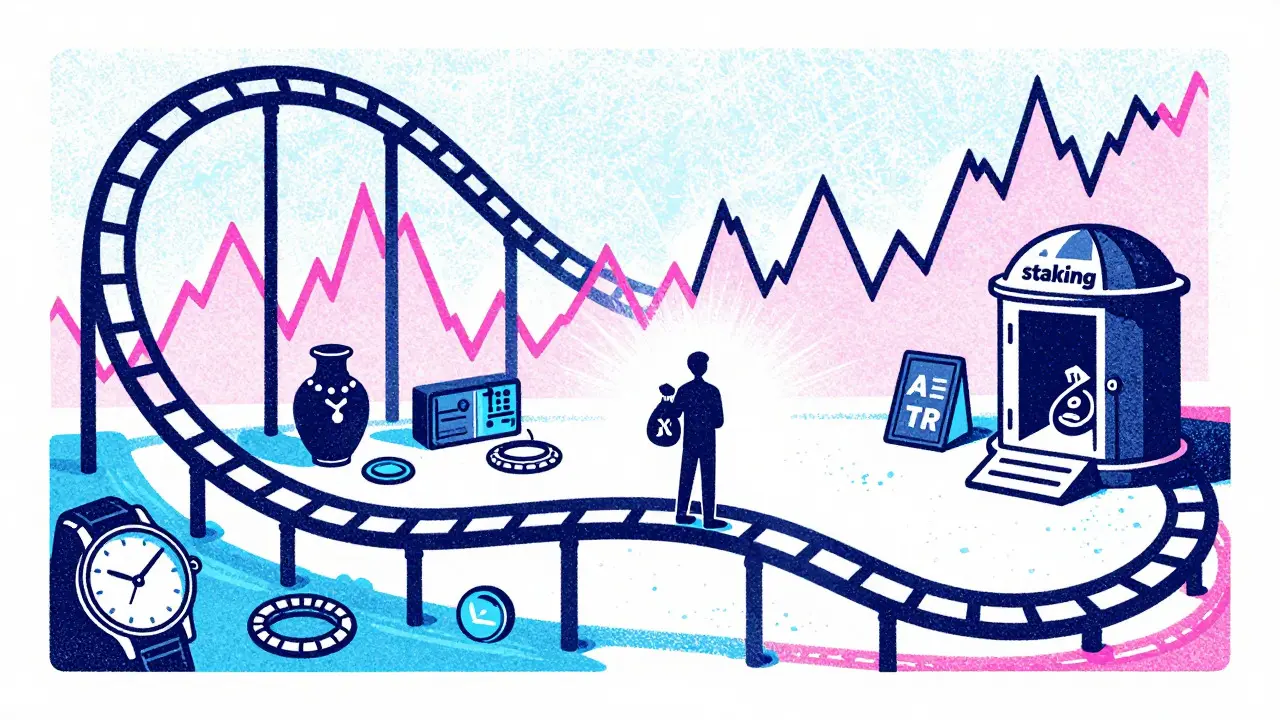
Price volatility is extreme. Historical data shows an all-time high (ATH) of approximately $0.10 and an all-time low (ATL) near $0.0007. Current prices fluctuate wildly between exchanges, ranging from fractions of a cent to a few cents depending on liquidity and regional markets. As of mid-2026, ATR remains a small-cap asset, ranking outside the top 1,000 cryptocurrencies by market capitalization. This means it has low liquidity compared to major coins like Bitcoin or Ethereum, leading to higher risk and potential slippage when trading large amounts.
Risks and Considerations for Investors
Before buying ATR, you need to weigh the risks carefully. Here are the key factors to consider:
- Lack of Transparency: Unlike larger projects, Artrade does not prominently list founding team members, board advisors, or detailed whitepapers in standard search results. This anonymity makes it harder to assess the credibility and experience behind the project.
- Regulatory Uncertainty: Based in Paris, Artrade likely operates under European Union regulations. However, the regulatory landscape for NFTs and RWAs is still evolving. Changes in EU law could impact how the platform handles staking, raffles, and token sales.
- Market Fragmentation: The inconsistent data across exchanges indicates fragmented liquidity. You might see a price of $0.01 on one exchange and $0.0006 on another. This arbitrage opportunity also signals potential issues with order book depth and reliability.
- Niche Appeal: Artrade targets a specific intersection of art lovers and luxury consumers. If this niche fails to grow, the utility of the ATR token diminishes. It is not a general-purpose currency; its value is tied directly to the success of the Artrade marketplace.
There is also the question of competition. Major players like OpenSea, Foundation, and even established luxury brands launching their own Web3 initiatives compete for the same audience. Artrade’s "eco-responsible" angle is compelling, but without concrete proof of lower carbon emissions or superior technology, it may struggle to differentiate itself significantly.
How to Get Started with Artrade
If you decide to explore Artrade, here is a practical path forward:
- Acquire ATR Tokens: ATR is listed on several major exchanges, including Coinbase, Kraken, Gate.io, and Crypto.com. Create an account on one of these platforms, complete identity verification (KYC), and purchase ATR using fiat currency or stablecoins like USDT or USDC.
- Set Up a Wallet: While you can hold ATR on an exchange, moving it to a self-custody wallet gives you more control. Since some sources suggest ATR exists on the BNB Smart Chain (BEP-20), ensure your wallet supports this network. MetaMask or Trust Wallet are popular choices.
- Connect to Artrade App: Download the Artrade mobile app or visit their web platform. Connect your wallet to start browsing art and luxury goods.
- Stake for Benefits: To access no-loss raffles and fee reductions, look for the staking section within the app. Lock up your ATR tokens according to the terms provided. Remember that staking usually comes with lock-up periods, so plan your liquidity needs accordingly.
- Engage with Governance: Participate in votes to influence the platform’s direction. This helps you stay informed about upcoming features like NFT Live and ensures your voice is heard in the community.
Always start with an amount you can afford to lose. Given the volatility and small-cap nature of ATR, treat it as a high-risk speculative investment rather than a safe haven.
Final Thoughts
Artrade (ATR) represents an interesting experiment in merging physical luxury with digital ownership. Its focus on eco-responsibility, fractionalized art, and cashback incentives offers a fresh take on the crowded NFT market. However, the lack of transparent leadership data, conflicting supply metrics, and extreme price volatility serve as cautionary signs.
For collectors passionate about art and luxury goods, Artrade provides a novel way to engage with these assets through blockchain technology. For pure traders, ATR is a highly volatile small-cap token that requires careful timing and risk management. As always, do your own research (DYOR) and verify information from multiple sources before committing funds.
Is Artrade (ATR) a good investment?
Whether ATR is a good investment depends on your risk tolerance. As a small-cap token with high volatility and limited public data on its team, it carries significant risk. It may be suitable for speculative investors interested in the niche of art and luxury NFTs, but it is not recommended for conservative portfolios. Always diversify and never invest more than you can afford to lose.
What is the maximum supply of ATR tokens?
There is conflicting data regarding the maximum supply. Some sources like CoinGecko and CoinMarketCap report a max supply of 1.265 billion ATR, while others like Coin360 cite 1.8 billion. Most agree that over 99% of the total supply is already in circulation, making it a deflationary asset. Verify the latest smart contract data for the most accurate figure.
How do I earn cashback on Artrade?
Both buyers and sellers on the Artrade marketplace receive a 2.5% cashback reward in ATR tokens for every art transaction conducted on the platform. This incentivizes users to keep their trading activity within the Artrade ecosystem rather than using external exchanges.
What are "no-loss raffles" on Artrade?
No-loss raffles are exclusive events for ATR stakers where participants can win luxury goods at discounts of up to 40%. The "no-loss" aspect typically implies that if you do not win, you retain your staked tokens or receive a partial return, though specific terms should be checked within the app.
Which exchanges support ATR trading?
ATR is listed on several major cryptocurrency exchanges, including Coinbase, Kraken, Gate.io, Crypto.com, and Bitget. Availability may vary by region, so check your local exchange options. Prices and liquidity can differ significantly between these platforms.
Carl Michaud
August 6, 2026 AT 07:26The narrative surrounding Artrade is a classic example of the 'value accrual' fallacy often seen in pre-revenue Web3 projects. The concept of fractionalizing luxury assets via NFC chips sounds sophisticated on paper, but it ignores the fundamental liquidity trap inherent in illiquid real-world assets (RWAs). You are essentially tokenizing debt or speculative value without an underlying cash flow mechanism to support the token price. The discrepancy in supply metrics across aggregators like CoinGecko and Coin360 is not merely a data error; it suggests a lack of rigorous audit standards or potential manipulation of circulating supply figures to artificially inflate market cap perceptions. Furthermore, the reliance on staking for utility creates a Ponzi-like dynamic where early adopters are rewarded by latecomers entering the ecosystem, rather than genuine organic growth from external demand for art. Until we see transparent team doxxing and verifiable carbon-neutral infrastructure beyond marketing buzzwords, this remains a high-risk speculative vehicle masquerading as a utility platform.
Michael Mostyn
August 7, 2026 AT 23:35One must consider the philosophical implications of commodifying art through such mechanisms. Does the introduction of financial incentives via cashback rewards alter the intrinsic value of the artistic expression itself? It seems we are moving towards a society where every interaction is transactional, reducing the appreciation of beauty to mere arbitrage opportunities. The lack of transparency regarding the founding team is indeed troubling, as it raises questions about accountability in a space already fraught with regulatory ambiguity. Perhaps the true innovation here is not the technology, but the psychological manipulation of investors seeking legitimacy in a chaotic market.
Nick Darring
August 8, 2026 AT 07:25Look, I know everyone loves to tear down small-cap tokens because they want to feel superior about holding Bitcoin, but let's be real for a second. This guy Carl is just jealous he didn't get in early enough to make his millions off the next big thing before it blew up into something massive that changes how we all buy our designer handbags and paintings forevermore. The fact that there are conflicting numbers on the supply doesn't mean anything bad necessarily happens sometimes data trackers are just slow or dumb and miss updates from the smart contract which is totally normal in crypto especially when you're dealing with newer chains or migrations so stop crying about it and look at the upside potential here because if this actually takes off and gets those luxury brands onboard then the cashback feature alone could drive insane volume that pumps the token price way higher than what these pessimists think is possible right now.
Eden Tadesse
August 10, 2026 AT 00:06i think its cool that they try to make art acessible to more people but i am worried about the enviromental impact even if they say it is eco responsible. also the typos in my comment are not important just wanted to say that maybe we should wait for more info on who is running this place before putting money in. feels a bit sketchy with no names listed anywhere obvious.
Rodmun Tarnowski
August 11, 2026 AT 04:44It is truly inspiring to see platforms attempting to bridge the gap between traditional luxury markets and decentralized finance! The integration of NFC technology for authentication is a brilliant solution to the perennial problem of counterfeit goods. One should certainly appreciate the effort to create a sustainable model for digital ownership. However, one must remain vigilant regarding the regulatory landscape in Europe. The clarity of the whitepaper would undoubtedly enhance investor confidence significantly. Let us hope that the team continues to innovate responsibly!
Matt Kay
August 12, 2026 AT 20:17looks like another rug waiting to happen. low liquidity means you cant sell when you want to. typical.
Dave Kjendal
August 14, 2026 AT 10:44You guys are overthinking it. Life is simple. Buy low, sell high. If the art looks good and the raffle prizes are nice, why not? Most crypto projects fail anyway so might as well gamble on something that gives you stuff instead of just air. But yeah, probably gonna dump soon.
Kat Bennett
August 14, 2026 AT 15:05I have been following the NFT space for a while now and it is interesting to see how different projects are trying to find their niche. The idea of combining physical luxury items with digital tokens is fascinating because it adds a layer of tangibility that pure JPEGs lack. I wonder if the community engagement will be strong enough to sustain the ecosystem long term though. It seems like a lot of promise on paper but execution is always the hard part in this industry. I am curious to see how the governance votes play out and if holders actually care about the direction of the platform or just want quick profits.
Candice Cornett
August 14, 2026 AT 20:36another scammy looking project hiding behind buzzwords. eco-responsible is code for greenwashing. nobody cares about your carbon footprint when your tokenomics are broken. stay away unless you love losing money
Lance Jantz
August 15, 2026 AT 17:54Oh, the sheer audacity of claiming to revolutionize the art world with a blockchain wrapper! It is almost poetic in its hubris. The pretension of linking NFC chips to soulless digital ledgers is a delightful spectacle of modern folly. One can almost smell the desperation in the whitepaper. Yet, there is a strange charm in the chaos, isn't there? Like watching a car crash in slow motion, beautiful and terrible all at once. Do join the circus, dear friends, for the show must go on regardless of the script's quality.