You’ve probably heard about smart homes or connected cars. But have you ever thought about what happens when those devices connect directly to the blockchain? That is exactly where Skey Network fits in. It is not just another coin hoping for a quick price pump. It is an infrastructure project trying to bridge the physical world with decentralized finance.
If you are looking at the ticker SKEY, you need to understand the technology behind it before you buy anything. This guide breaks down what Skey Network actually does, how its tokens work, and whether this "Blockchain of Things" concept is ready for prime time in 2026.
What Exactly Is Skey Network?
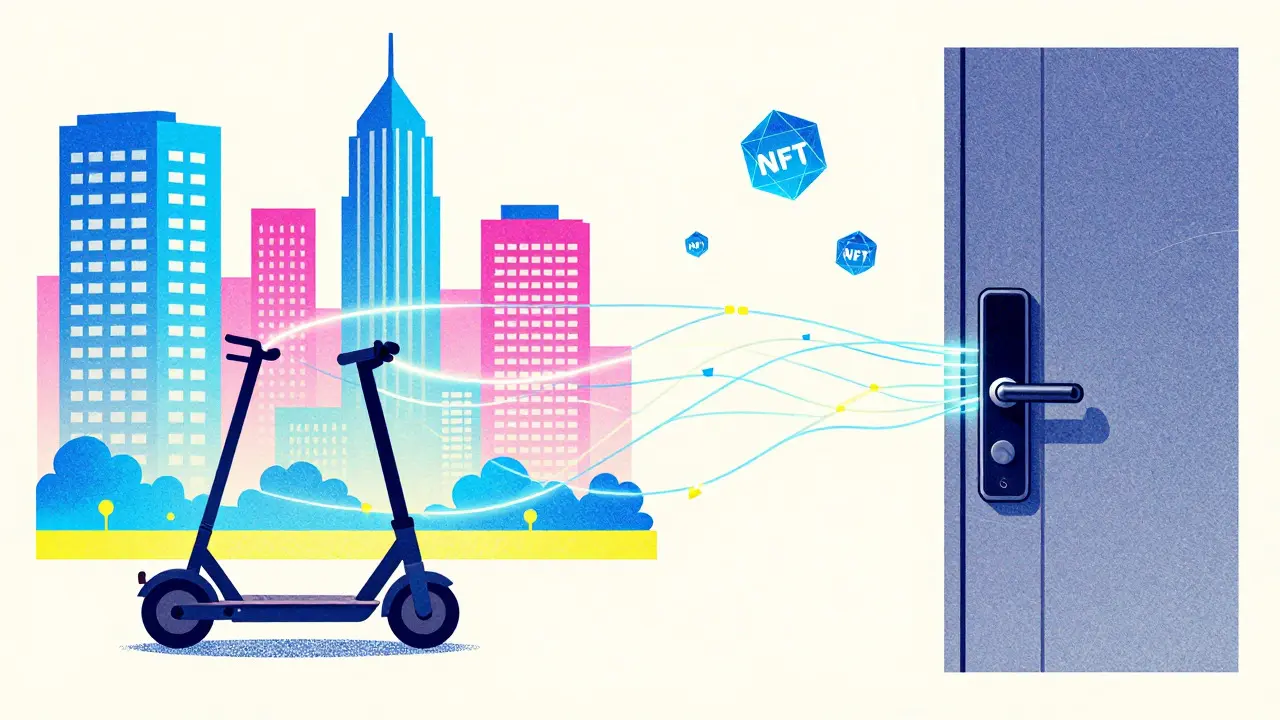
Skey Network (formerly known as SmartKey) is a platform designed to link real-world objects with digital contracts. Imagine locking your car, renting out your apartment, or controlling office access using a non-fungible token (NFT) instead of a plastic keycard. That is the core promise here.
The network acts as a decentralized oracle system that connects Internet of Things (IoT) devices to blockchains like Ethereum and Waves. It creates a standard way for physical assets to interact with smart contracts.
The founders registered the company in Estonia back in 2019. They saw a gap in the market: DeFi was booming, but it lived entirely online. Meanwhile, billions of IoT sensors were tracking everything from temperature to location, but they couldn't easily trigger financial transactions on-chain. Skey Network tries to be the missing link-the "Bluetooth for the Blockchain," if you will.
How Does the Technology Work?
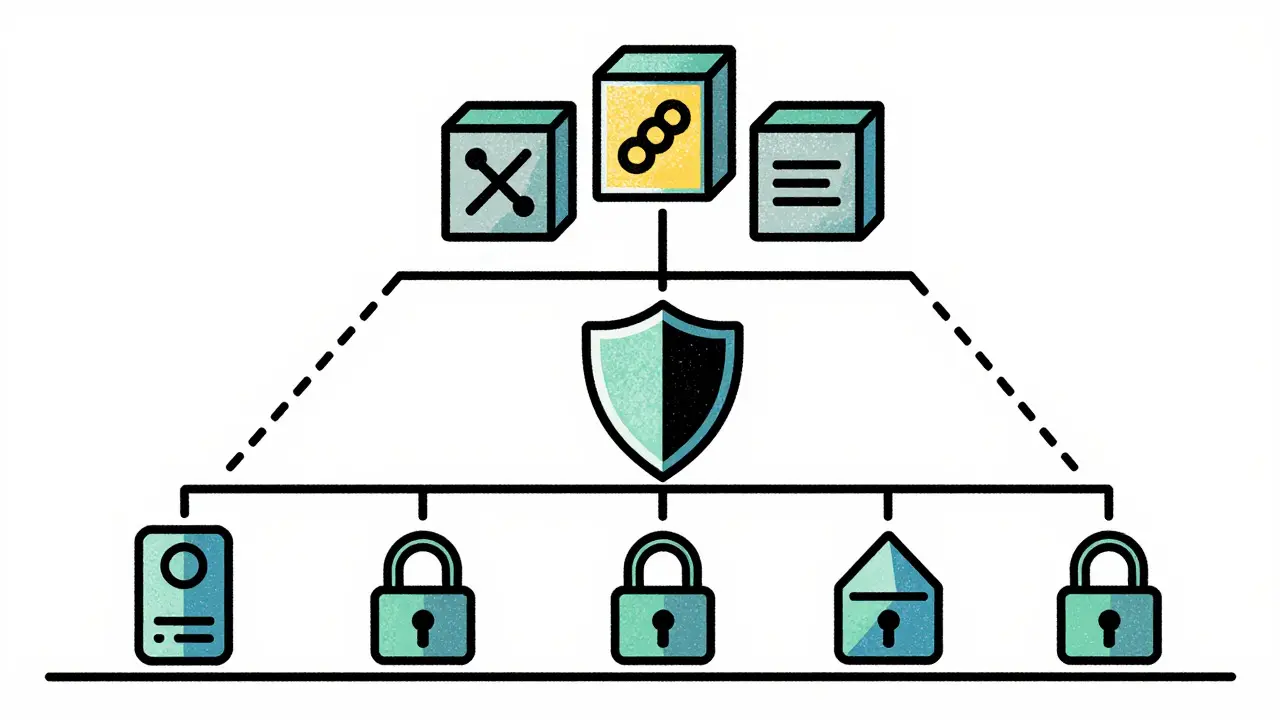
To get your head around Skey Network, you have to look at three main components:
- Smart NFTs (Access Keys): Every physical device-be it a scooter, a sensor, or a door lock-gets a unique digital twin on the blockchain. This NFT acts as a cryptographic key. You don't carry a physical key; you hold a token that grants permission.
- Oracle II Generation: Oracles are services that bring outside data onto the blockchain. Skey uses a second-generation oracle standard to securely transmit data from off-chain IoT devices to on-chain smart contracts without getting hacked or manipulated.
- BiT (Blockchain of Things): This is their proprietary standard for communication. Just as Wi-Fi has protocols so different routers can talk, BiT aims to create a universal language so any IoT device can connect to any blockchain application.
For example, if you want to rent a bike, the bike’s IoT module sends a signal through the Skey Access app. The smart contract checks if you have paid (via cryptocurrency) and verifies your identity. If everything matches, the contract unlocks the bike. No middleman, no credit card processing fees, just code executing automatically.
Tokenomics: Understanding the SKEY Coin
The utility token, SKEY, powers this ecosystem. It is an ERC-20 token built on the Ethereum network. Here is the breakdown of the supply numbers as of mid-2026:
- Total Supply: 1,000,000,000 (1 Billion) SKEY tokens.
- Circulating Supply: Estimates vary between aggregators, ranging from roughly 460 million to over 810 million tokens. This discrepancy often comes from tokens locked in vesting schedules or staking pools that different sites count differently.
- Utility: You use SKEY to pay for transaction fees within the network, stake for security, and potentially swap for technical tokens (like SkeyUSD) needed by specific IoT devices.
Because the total supply is fixed, there is no inflationary pressure from new minting. However, keep an eye on the circulating supply changes. If more tokens unlock from early investor vesting periods, the selling pressure could impact the price.
Market Performance and Where to Trade
As of July 2026, SKEY is considered a micro-cap asset. It doesn’t trade with the volume of Bitcoin or even major altcoins like Cardano. Here is what the data looks like recently:
| Metric | Value |
|---|---|
| Average Price | $0.002 - $0.009 USD |
| Market Cap | ~$1.5M - $2.7M USD |
| Daily Volume | $100k - $600k USD |
| Primary Exchanges | BingX, KuCoin, BitMart, Uniswap (DEX) |
You can find SKEY on centralized exchanges like BingX and KuCoin. For those who prefer decentralized trading, liquidity pools exist on Uniswap V2 via the SKEY/WETH pair. Note that liquidity is modest. Large buy or sell orders can cause significant slippage, so entering or exiting positions requires caution.
Risks and Challenges
No investment is risk-free, and Skey Network faces specific hurdles. First, adoption is slow. While the tech works in theory, convincing hardware manufacturers to build Skey-compatible IoT modules takes time and money. Currently, the user base is niche, with only about 1,100 subscribers on Reddit-a sign of interest, but not mass appeal yet.
Second, competition is fierce. Other projects are also trying to solve the RWA (Real World Asset) tokenization problem. If a larger competitor with more funding launches a similar standard, Skey Network could struggle to maintain relevance.
Finally, there is the issue of clarity. Some older data sources mistakenly list SKEY as mineable, which is incorrect. It is a pre-mined ERC-20 token. Always check the official whitepaper (currently version 2.5) rather than relying on generic aggregator descriptions to avoid confusion.
Is Skey Network Worth Your Attention?
If you believe in the long-term vision of a fully integrated Web3 world where your fridge, car, and wallet all communicate seamlessly, Skey Network is one of the few projects actively building that bridge. The team has been consistent since 2019, updating their whitepaper and launching challenges to attract developers.
However, treat this as a high-risk, speculative play. The market cap is small, meaning it is volatile. Do not invest money you cannot afford to lose. Watch for partnerships with actual hardware companies-that is the real catalyst for growth, not just hype.
What is the main purpose of the SKEY token?
SKEY is a utility token used to pay for transaction fees, staking, and accessing services within the Skey Network ecosystem. It facilitates the connection between IoT devices and blockchain smart contracts.
Can I mine SKEY coins?
No, SKEY is not mineable. It is an ERC-20 token with a fixed maximum supply of 1 billion tokens that were distributed during initial sales and allocated for development and community incentives.
Which blockchains does Skey Network support?
Skey Network operates primarily on Ethereum and Waves blockchains. It uses these networks to deploy smart contracts and manage the NFT-based access keys for IoT devices.
What is the "Blockchain of Things" (BoT)?
BoT is a concept pioneered by Skey Network that integrates Internet of Things devices with blockchain technology. It allows physical objects to be represented digitally and controlled via decentralized smart contracts.
Where can I buy SKEY?
You can buy SKEY on several centralized exchanges such as BingX, KuCoin, and BitMart. It is also available on decentralized exchanges like Uniswap via Ethereum wallets.