Remember May 2021? The crypto market was on fire, and everyone seemed to be hunting for the next big thing. If you were part of the YooShi community, you likely spent those days refreshing your wallet, hoping for a surprise drop. That’s exactly what happened with the YOOSHI SHIB ARMY NFT airdrop, a limited-time event that rewarded early supporters with exclusive digital collectibles.
This wasn’t just another random giveaway. It was a carefully timed distribution tied to the massive hype surrounding the Shiba Inu ecosystem. For many, it was their first introduction to how projects use non-fungible tokens (NFTs) to build loyalty. But what actually went down? Who got in? And where did those tokens end up? Let’s break down the mechanics of this specific campaign and why it mattered at the time.
The Core Mechanics of the YOOSHI Airdrop
At its heart, the YOOSHI SHIB ARMY NFT airdrop was a four-day claiming window running from May 27 to May 31, 2021. Unlike some modern airdrops that require complex staking or long-term holding, this one relied heavily on community engagement and technical setup.
To qualify, you couldn’t just have a wallet. You needed to jump through a few specific hoops:
- Community Membership: You had to join both the #YOOSHI and #CMC (CoinMarketCap) NFT airdrop campaigns. This dual requirement ensured that participants were active on social platforms and recognized by major aggregators.
- BSC Whitelisting: Crucially, you had to whitelist your Binance Smart Chain (BSC) address. This is a key detail. While Ethereum dominated the conversation in 2021, YooShi operated on BSC to leverage lower transaction fees and faster confirmation times.
- Claiming Platform: Once whitelisted, eligible users accessed their allocated NFTs directly through yooshi.io.
The timing was no accident. Launching during the peak of the 2021 bull run meant high visibility and eager participants. By aligning with CoinMarketCap, YooShi tapped into mainstream crypto traffic, moving beyond niche Telegram groups to reach a broader audience.
Understanding the Tiered NFT Structure
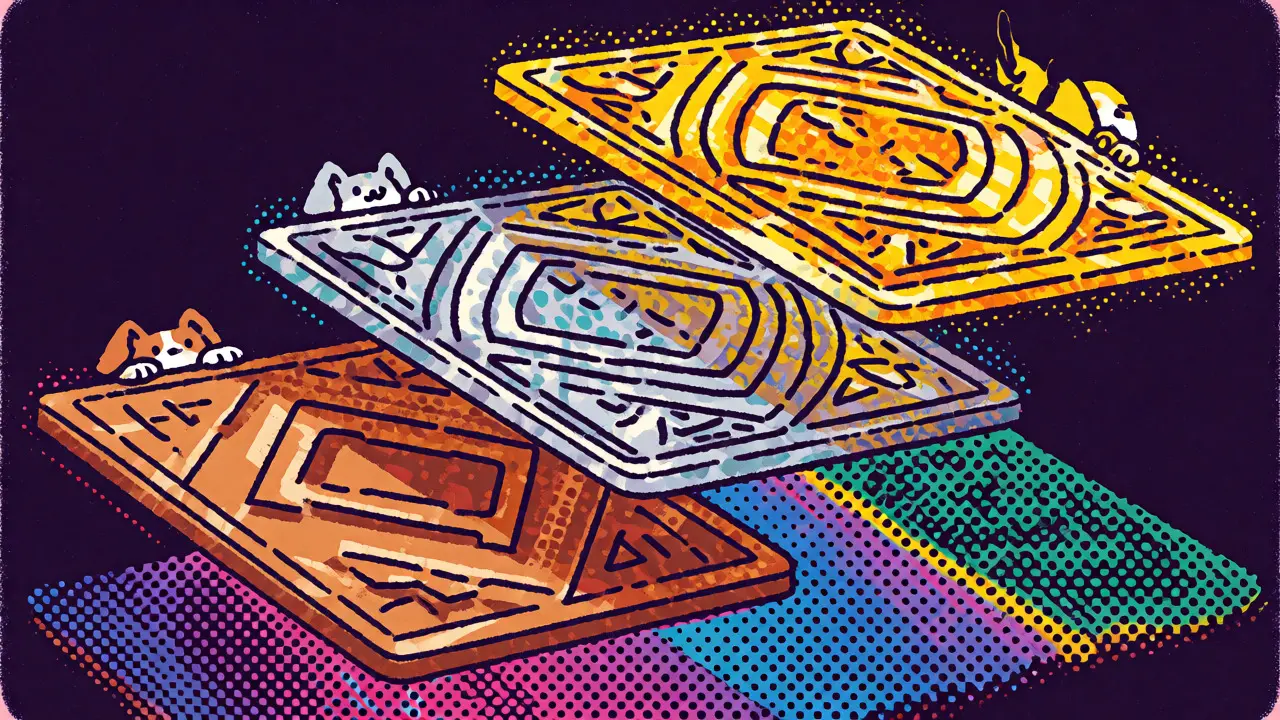
Not all airdropped NFTs are created equal. The YOOSHI collection featured a tiered rarity system, which added an element of gamification to the process. Participants could receive different editions based on their eligibility status or luck within the allocation pool.
| Edition Type | Rarity Level | Typical Characteristics |
|---|---|---|
| Bronze Edition | Common | Standard artwork, highest supply volume |
| Silver Edition | Uncommon | Enhanced visual traits, moderate scarcity |
| Gold Edition | Rare | Unique features, lowest supply, higher perceived value |
This structure mirrors standard NFT practices seen in projects like CryptoPunks or Bored Apes, where rarity drives secondary market interest. While specific floor prices for these editions fluctuated wildly post-airdrop, the tiered approach gave collectors something to trade and speculate on immediately after claiming.
The Role of the Shiba Inu Ecosystem
You can’t talk about YooShi without mentioning the Shiba Inu ecosystem. The term "SHIB ARMY" refers to the collective community of Shiba Inu token holders. YooShi positioned itself as a utility-focused project within this meme-coin universe, aiming to provide more than just speculative value.
The connection goes deeper than branding. Many SHIB-related projects incorporate deflationary mechanics. For instance, related initiatives like Shib Army Inferno used proceeds from NFT mints to buy and burn SHIB tokens. This strategy reduces circulating supply, theoretically supporting price stability. While the original YooShi airdrop documentation doesn’t explicitly detail a burn mechanism for every single NFT sold, the broader ecosystem philosophy influenced how these assets were marketed-as tools for community growth rather than just digital art.
By leveraging the existing fanbase of Shiba Inu, YooShi reduced customer acquisition costs significantly. They didn’t need to explain what a meme coin was; they just needed to offer a new way to participate.
Technical Infrastructure: Why BSC?
A common question from newcomers is why YooShi chose Binance Smart Chain over Ethereum. The answer lies in accessibility. In May 2021, gas fees on Ethereum often exceeded $50-$100 per transaction. For an airdrop targeting retail users, requiring them to pay high fees just to claim a free asset would have killed participation rates.
BSC offered:
- Lower Costs: Transaction fees were cents, not dollars.
- Faster Speeds: Blocks confirmed in seconds, improving user experience.
- EVM Compatibility: Developers could easily port smart contracts from Ethereum, speeding up development.
This technical choice allowed YooShi to scale its community rapidly without pricing out smaller investors. It also aligned with the broader trend of multi-chain adoption, proving that valuable communities could exist outside the Ethereum mainnet.
Post-Airdrop Reality Check
So, what happened after the dust settled? Public data on the long-term performance of the YOOSHI SHIB ARMY NFTs is sparse. Unlike blue-chip collections with transparent trading histories, many mid-tier airdrops from 2021 faded into obscurity or merged into larger ecosystems.
Several factors contributed to this:
- Market Volatility: The 2021 bull run ended abruptly. Interest in speculative NFTs cooled significantly throughout 2022.
- Lack of Sustained Utility: Without continuous updates or clear utility (like staking rewards or gaming integration), initial hype often evaporates.
- Ecosystem Evolution: The Shiba Inu ecosystem shifted focus toward Shibarium, a Layer-2 solution designed for DeFi and gaming. Newer airdrops on Shibarium emphasize functional applications over static image collections.
For holders who claimed their Gold or Silver editions early, there may have been short-term profit opportunities. However, for most, these NFTs serve as historical artifacts of a frenetic period in crypto history. They represent a moment when community-driven marketing successfully distributed thousands of assets to engaged users.
Lessons for Future Airdrop Hunters
If you’re looking to participate in similar events today, the YOOSHI case study offers several practical takeaways:
- Read the Fine Print: Eligibility often requires multiple steps (social joins + wallet whitelisting). Missing one step means missing the drop.
- Check the Network: Ensure your wallet supports the target chain (BSC, Polygon, Solana, etc.). Sending funds or signing transactions on the wrong network leads to lost assets.
- Evaluate Rarity: Not all free NFTs are valuable. Understand the supply distribution. If 90% of the drop is Bronze, don’t expect instant riches.
- Assess Project Longevity: Look for active development channels. Projects with silent Telegram groups or outdated websites rarely deliver long-term value.
Airdrops remain a powerful tool for user acquisition, but they work best when paired with genuine product utility. The YOOSHI SHIB ARMY drop succeeded in building awareness, even if the long-term financial returns varied widely among participants.
When did the YOOSHI SHIB ARMY NFT airdrop take place?
The claiming window ran from May 27, 2021, at 1 PM UTC to May 31, 2021, at 1 PM UTC. This four-day period allowed eligible participants to claim their allocated NFTs via the official website.
What were the requirements to join the YooShi airdrop?
Participants needed to join the #YOOSHI and #CMC (CoinMarketCap) NFT airdrop campaigns and whitelist their Binance Smart Chain (BSC) wallet addresses. Simply having a wallet was not enough; active community engagement and technical registration were mandatory.
Which blockchain did the YooShi NFTs use?
The YooShi SHIB ARMY NFTs were issued on the Binance Smart Chain (BSC). This choice helped keep transaction costs low for users claiming their assets, compared to the high gas fees typical on Ethereum during that period.
Were there different types of NFTs in the airdrop?
Yes, the collection featured a tiered rarity structure including Bronze, Silver, and Gold editions. These tiers represented different levels of scarcity and visual uniqueness, potentially influencing their value on secondary markets.
Is the YooShi project still active today?
The broader Shiba Inu ecosystem remains active, with recent developments focusing on Shibarium, a Layer-2 network. While the original 2021 YooShi airdrop has passed, the ecosystem continues to launch new initiatives, particularly in gaming and decentralized finance (DeFi).