If you are running a crypto business in Europe, you have probably heard the name BaFin whispered with a mix of respect and dread. It is not just another bureaucratic hurdle; it is the gatekeeper for one of the world's most sophisticated financial markets. But here is the twist that surprises many newcomers: getting approved by BaFin is actually becoming easier, not harder, provided you know the rules. The era of vague "gray areas" in Germany is over. Today, we are looking at a clear, codified path under the EU's Markets in Crypto-Assets Regulation (MiCAR). If you want to operate legally, serve German clients, or simply understand how this regulatory giant operates, you need to look past the headlines and into the specific mechanics of compliance.
| Framework | Scope | Status in 2026 |
|---|---|---|
| MiCAR | EU-wide uniform rules for crypto-asset service providers (CASPs) | Fully active; supersedes most national transitional laws |
| KWG | German Banking Act; defines crypto as financial instruments | Active; basis for licensing requirements |
| KryptoWTransferV | Travel Rule implementation for AML/KYC | Strictly enforced for all transfers |
| KMAG | Transitional supervision during MiCAR rollout | Phasing out as full MiCAR licenses take effect |
The Shift from Gray Areas to Hard Rules
Germany was an early adopter. Back in 2013, it recognized Bitcoin as a "unit of account," long before the US SEC started asking tough questions. This head start created a mature market but also a complex web of regulations. For years, businesses operated under a patchwork of national laws like the FinmadiG (Act on the Digitalisation of the Financial Market) and the KMAG (Act on the Supervision of Markets for Crypto-Assets). These were transitional measures designed to bridge the gap until the EU stepped in.
That transition is largely complete now. The Markets in Crypto-Assets Regulation (MiCAR) has replaced much of the national fragmentation. However, do not mistake harmonization for simplicity. BaFin remains the enforcer on the ground. They implement these EU rules with German precision. If you think you can rely solely on a passported license from Malta or Luxembourg without understanding local enforcement nuances, you might be in for a surprise. BaFin actively targets foreign providers who aggressively market to German residents, even if they lack a physical office in Frankfurt or Berlin.
Who Needs a License? Defining the Threshold
This is the question that keeps founders up at night. Do I need a BaFin license? The answer depends entirely on what you are doing with the tokens. Under the Kreditwesengesetz (KWG), which is the German Banking Act, crypto assets are classified as financial instruments. This classification triggers mandatory authorization for services like custody, trading, and exchange operations.
Let’s break down the practical scenarios:
- Pure Payment Acceptance: If you run a coffee shop in Munich and accept Bitcoin for your lattes, you generally do not need a banking license. You are using crypto as a substitute currency for sales activities. However, if you use a third-party payment processor that converts your BTC to EUR before paying you, that processor needs the license. If they don’t have it, BaFin can come after you for facilitating unlicensed financial services.
- Custody Services: Holding private keys for others is now explicitly regulated. If you offer a wallet where users trust you with their assets, you are providing a regulated service. Many startups obtained authorization specifically for this niche within short timeframes recently, showing that BaFin is open to specialized models.
- Trading Platforms: Operating an exchange requires significant capital and operational proof. You aren't just building an app; you are managing risk, liquidity, and consumer protection.
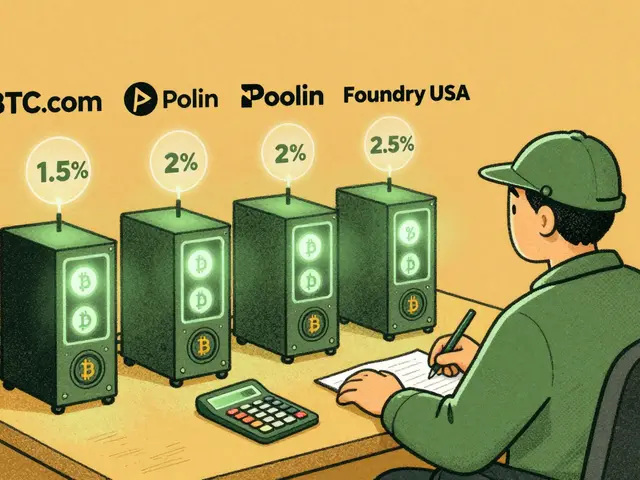
- Mining Pools: Surprisingly, mining pools often fall under licensing requirements if they facilitate market participation rather than just technical computation. If you advertise regularly for purchases or sales through your pool interface, you are likely acting as a proprietary trader.
The line blurs quickly. As soon as you add elements that help sustain, further, or create markets, you cross from simple usage into regulated territory. Proprietary trading businesses under Section 1(1a) no. 4 of the KWG must be licensed if they externally advertise regular crypto purchases or sales. It is not enough to say, "We are just tech." If you are touching money and managing risk, BaFin wants to see your books.
Compliance Mechanics: AML and the Travel Rule
Getting the license is step one. Keeping it is step two. The backbone of ongoing compliance is Anti-Money Laundering (AML) law. In Germany, this is driven by the KryptoWTransferV, which implements the international "travel rule" set by the Financial Action Task Force (FATF).
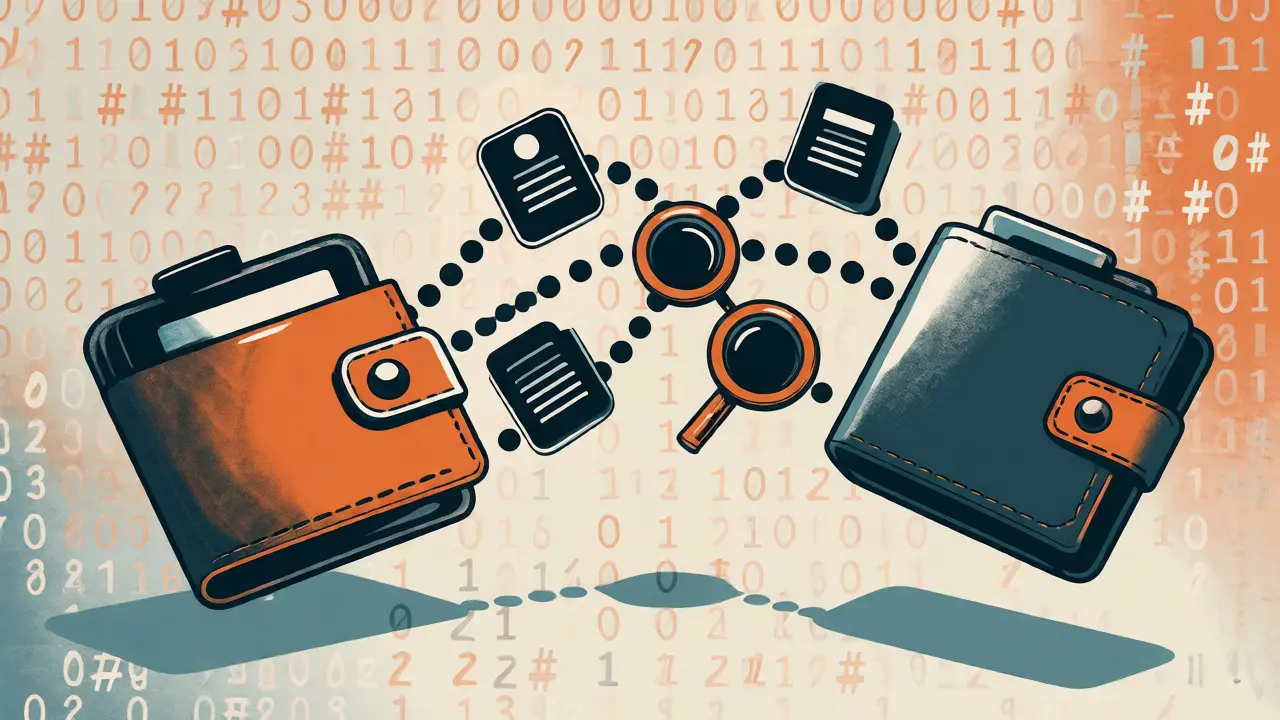
What does this mean for your operations? Every single transfer of crypto assets involving originators and beneficiaries must carry specific data. You cannot just send coins anonymously. You must collect and transmit information about who sent the funds and who received them. This applies to both internal transfers within your platform and external blockchain transactions. Know Your Customer (KYC) procedures are integral here. You must verify the identity of every party involved. If a user tries to move $15,000 worth of ETH to an unknown wallet, your system needs to flag it, verify the recipient, and log the data. Failure to do so isn't just a slap on the wrist; it can lead to severe penalties and operational shutdowns.
IT security is the other pillar. BaFin subjects companies to ongoing supervision regarding their IT infrastructure. You need to demonstrate robust cybersecurity measures to protect consumer assets. After high-profile hacks globally, regulators are less tolerant of weak security protocols. You must show that your systems meet minimum standards for availability, integrity, and confidentiality.
Recent Enforcement Actions and Tax Clarity
BaFin does not just issue guidelines; they enforce them. A notable case occurred in June 2025, when BaFin ordered the winding up of Ethena GmbH's operations related to USDe stablecoins in Germany. Token holders had until August 6, 2025, to redeem their tokens, and BaFin appointed a special representative to oversee the process. This action signaled that even innovative DeFi products are subject to strict scrutiny if they fail to meet regulatory standards for stability and transparency.
On the tax front, clarity has improved significantly. In March 2025, the Federal Ministry of Finance (BMF) published updated circulars replacing the vague term "virtual currencies" with "crypto assets." They now differentiate between active and passive staking for tax purposes. This distinction matters because it changes how income is calculated and reported. Furthermore, new requirements for transaction overviews and documentation mean taxpayers must keep detailed records of daily market rates and holdings. If you are a business, this impacts your accounting software and reporting obligations heavily.

Navigating the Authorization Process
Historically, BaFin was known for slow, exhaustive reviews, partly due to the fallout from the Wirecard scandal. That reputation is shifting. Recent decisions regarding MiCAR-compliant licenses have been issued within months, not years. BaFin now demands compact presentations and strict adherence to deadlines. They want efficiency.
To succeed, your application must be precise. You need to submit a detailed white paper if you are offering new crypto-assets to the public. This document must outline the project's economics, risks, and governance structure. Additionally, you must prove organizational reliability. This includes background checks on management, proof of adequate capital, and a clear description of your business model. Foreign entities targeting German customers must establish a domestic connection. This can be done through a legally dependent branch or a physical presence. Passive freedom to provide services-where the customer initiates contact-is an exception, but aggressive marketing usually negates this defense.
Strategic Considerations for 2026
If you are planning to enter the German market or expand existing operations, consider these strategic points:
- Start Early: Even with faster processing times, gathering documents and setting up compliance infrastructure takes time. Do not wait until you have 10,000 users to apply.
- Localize Compliance: An EU-wide license is great, but German enforcement is rigorous. Tailor your AML policies to meet the specific expectations of BaFin inspectors.
- Monitor Transitional Deadlines: While MiCAR is live, some grandfathering regimes for older licenses ended around December 31, 2025. Ensure your current authorizations are fully aligned with the new MiCAR standards to avoid gaps in coverage.
- Engage Legal Experts Early: The definition of "financial instrument" is broad. A lawyer specializing in German fintech law can save you from costly misclassifications later.
Germany offers a stable, predictable environment for crypto businesses. The rules are strict, but they are clear. By respecting BaFin's oversight and adhering to MiCAR requirements, you position your company as a trusted player in the European market. Trust is the ultimate currency in finance, and compliance is how you earn it.
Does accepting Bitcoin payments require a BaFin license?
Generally, no. If you are a merchant accepting cryptocurrency as a substitute currency for goods or services, you do not need a BaFin license. However, if you use a third-party payment provider that exchanges the crypto for fiat currency before distributing it to you, that provider must be licensed. If they are not, BaFin may take legal action against you for facilitating unlicensed financial services.
What is the 'Travel Rule' in the context of BaFin compliance?
The Travel Rule, implemented via the KryptoWTransferV, requires crypto service providers to collect and transmit information about the originator and beneficiary of any crypto asset transfer. This ensures that transactions remain traceable to prevent money laundering. Providers must verify identities (KYC) and maintain records of these details for all transfers above certain thresholds.
How does MiCAR affect existing German crypto licenses?
MiCAR establishes uniform EU-wide rules, largely replacing previous national transitional frameworks like FinmadiG and KMAG. Existing licenses granted under national laws were valid under grandfathering regimes until late 2025. Companies must now ensure their operations comply with MiCAR standards to maintain their authorization status under BaFin's supervision.
Do foreign crypto companies need a license to serve German customers?
Yes, if they actively target German residents. BaFin considers a domestic connection established when foreign providers market their services to people with registered offices or habitual residence in Germany. Exceptions exist for "passive" services initiated solely by the customer, but proactive marketing usually triggers licensing requirements.
Are mining pools required to obtain a BaFin license?
Often, yes. If a mining pool facilitates market participation, such as allowing users to buy or sell shares of mined crypto, or if it advertises these services externally, it may be classified as a proprietary trading business under the KWG. This classification typically mandates a license.