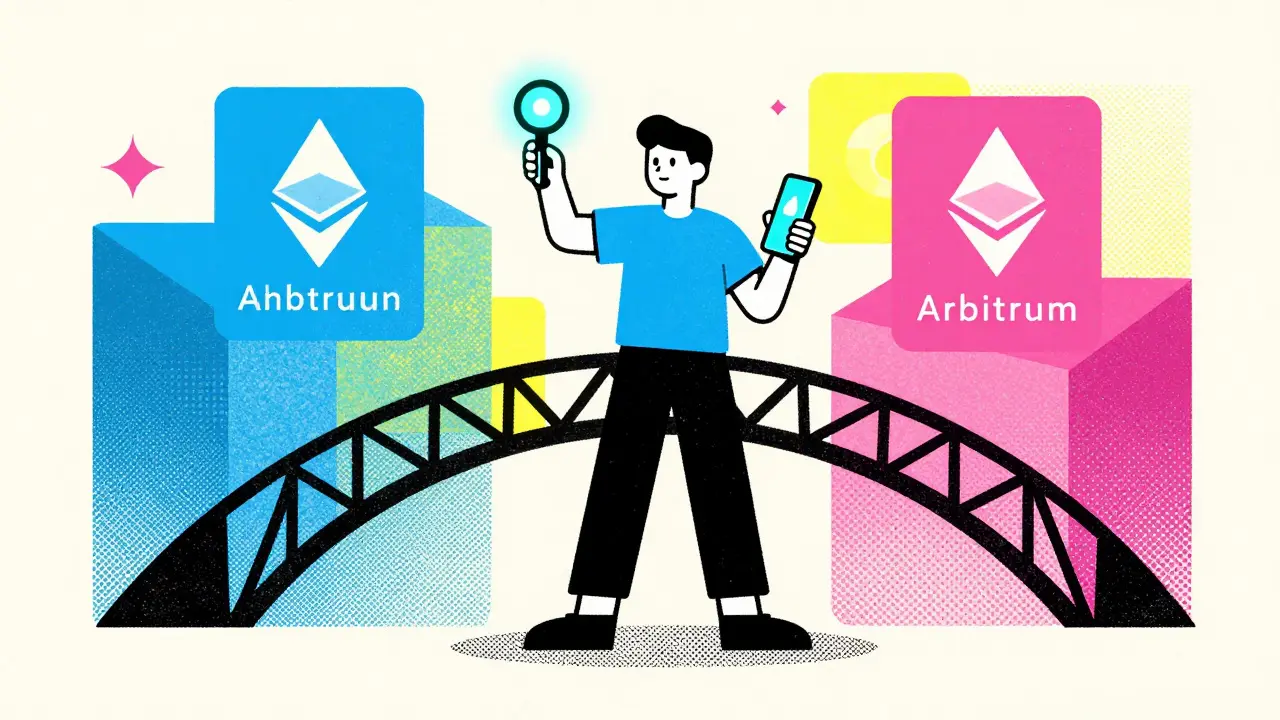
Trading cryptocurrency futures usually means handing your money over to a centralized company. You trust them with your keys, hoping they don't get hacked or go bankrupt. But what if you could trade leveraged positions without ever giving up control of your assets? That is the promise of Futureswap, a decentralized perpetuals trading platform built on Ethereum and Arbitrum that allows non-custodial leveraged trading. In this review, we look past the hype to see how it actually works, whether the leverage claims hold up, and if it is a safe place for your capital in the current DeFi landscape.
Decentralized finance (DeFi) has evolved from simple swaps to complex derivatives markets. Futureswap sits at the intersection of these two worlds. It uses an Automated Market Maker (AMM) model rather than an order book. This means you are not matching against another human trader; you are trading against a pool of liquidity. For many users, this offers faster execution and privacy, but it also introduces unique risks regarding slippage and pricing accuracy that you need to understand before depositing funds.
How Futureswap Actually Works
To use Futureswap effectively, you first need to understand its underlying architecture. Unlike traditional exchanges like Binance or Coinbase, there is no central server processing your trades. Instead, the protocol runs on smart contracts deployed primarily on the Ethereum blockchain and its Layer 2 scaling solution, Arbitrum. Choosing Arbitrum is crucial because it significantly lowers gas fees, making frequent trading economically viable compared to executing trades directly on Ethereum mainnet.
The core mechanism driving the exchange is its AMM algorithm. Here is the step-by-step process when you open a position:
- Deposit Collateral: You connect your wallet (like MetaMask) and deposit ERC-20 tokens as collateral. Since it is non-custodial, these tokens remain in your wallet until the smart contract locks them for the duration of your trade.
- Select Pair and Leverage: You choose a trading pair (e.g., ETH/USD) and decide on your leverage multiplier. Sources vary on the maximum limit, with some citing 10x and others claiming up to 30x. Higher leverage amplifies both gains and losses.
- Oracle Price Validation: Before the trade executes, the system checks real-time prices via secure oracles. This prevents manipulation and ensures you get a fair entry price, even for large orders.
- Execution: The smart contract creates your synthetic position. You now hold a derivative contract backed by your collateral, not the actual asset.
This structure eliminates the need for intermediaries. However, it places the burden of security on the code itself. If there is a bug in the smart contract, there is no customer support team to reverse a transaction. This is why understanding the technology behind the scenes is just as important as watching the charts.
Leverage Capabilities and Trading Pairs
One of the biggest draws for traders is leverage. In traditional finance, borrowing power is tightly regulated. In DeFi, protocols set their own limits. There is currently conflicting information regarding Futureswap's maximum leverage. Some documentation suggests a conservative cap of 10x, while other sources indicate support for up to 30x leverage. This discrepancy highlights a common issue in rapidly evolving DeFi projects: outdated documentation versus live protocol parameters.
If you are aiming for high-leverage trades, always verify the current limits directly within the interface before committing funds. Using 30x leverage means a mere 3.3% move against your position will liquidate your entire collateral. While the potential for profit is attractive, the risk of total loss is immediate and automated.
Regarding trading pairs, Futureswap focuses on major ERC-20 tokens. The platform emphasizes "advantageous trading pairs" determined by community governance. This means popular assets like Bitcoin (wrapped), Ethereum, and stablecoins are likely available, but niche altcoins may have less liquidity. Low liquidity can lead to higher slippage, where your executed price is worse than the expected market price due to thin order books in the liquidity pool.
| Feature | Futureswap (DeFi) | Centralized Exchange (CEX) |
|---|---|---|
| Custody | Non-custodial (You hold keys) | Custodial (Exchange holds keys) |
| Network | Ethereum / Arbitrum | Proprietary Servers |
| KYC Required | No | Yes (Usually) |
| Max Leverage | 10x - 30x (Variable) | Up to 125x (Often) |
| Security Risk | Smart Contract Bugs | Hacks / Insolvency |
The Role of the FST Token
Every major DeFi protocol has a native token, and Futureswap is no exception with its FST token. The FST token serves several critical functions within the ecosystem:
- Governance: Holders can vote on proposals, such as adding new trading pairs or adjusting fee structures. This community-driven model aims to ensure the platform evolves according to user needs rather than corporate interests.
- Incentives: The protocol uses FST to incentivize liquidity providers and active traders. By rewarding participation, Futureswap encourages deeper liquidity pools, which reduces slippage for everyone.
- Fee Discounts: Depending on the specific staking mechanics, holding or staking FST may reduce trading fees, making it more cost-effective for high-volume traders.
When evaluating the platform, consider the tokenomics. Is the supply inflationary? Are rewards sustainable? A healthy token economy aligns the interests of developers, traders, and investors. If rewards are too high, they may dilute value over time; if too low, liquidity may dry up.
Security and Oracle Reliability
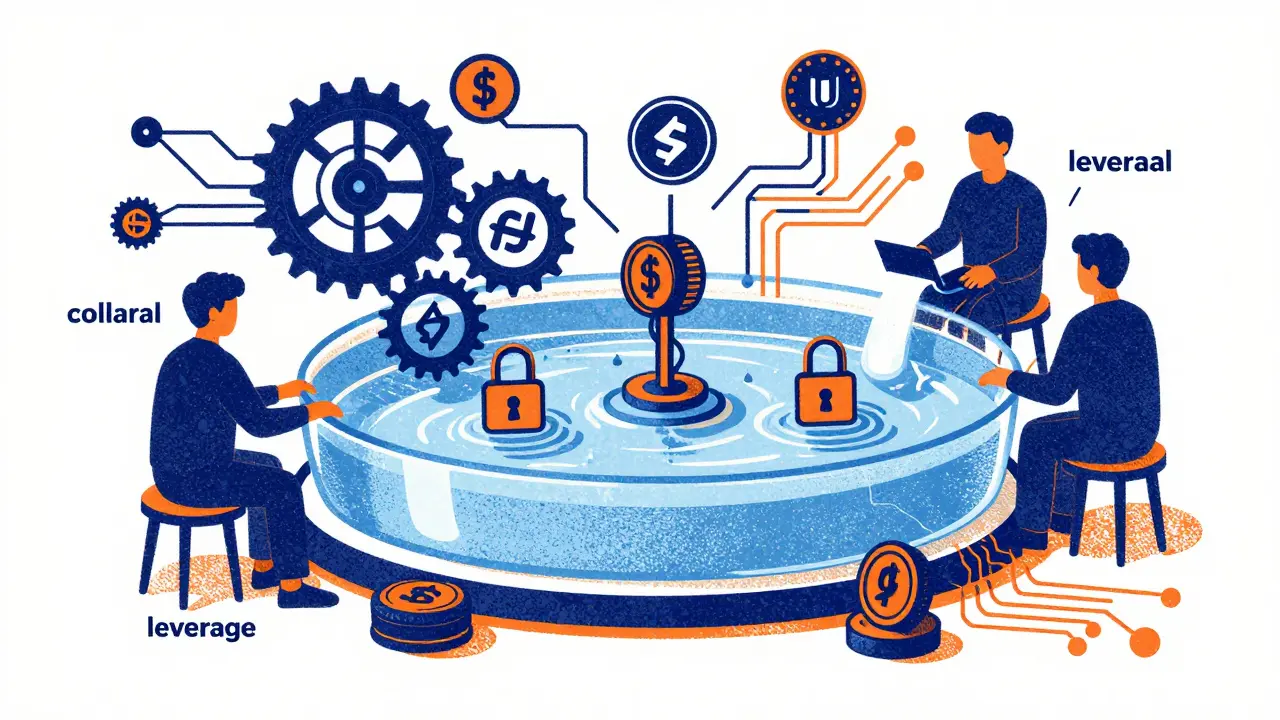
In decentralized trading, price data is everything. If the oracle reports a false price, traders can be unfairly liquidated or exploited. Futureswap employs a secure oracle system designed to validate asset prices accurately. This is vital for preventing "flash loan attacks," where bad actors manipulate prices temporarily to drain liquidity pools.
However, relying on third-party oracles introduces a point of failure. Most DeFi protocols use Chainlink or similar reputable services. It is essential to check which oracle provider Futureswap integrates with. Additionally, since the platform is non-custodial, your primary security concern shifts from "will the exchange steal my money?" to "is the smart contract code audited?" Look for independent security audits from firms like CertiK or OpenZeppelin. Without recent audit reports, the risk profile increases significantly.
User Experience and Interface
While technical robustness matters, usability determines whether you will actually use the platform. Futureswap aims to provide an optimal execution environment. Generally, DeFi interfaces are cleaner and less cluttered than centralized exchanges, focusing on key metrics: entry price, leverage, liquidation price, and potential PnL.
Connectivity is straightforward if you already use a Web3 wallet. However, for beginners, managing gas fees on Ethereum (if not using Arbitrum) and understanding wallet permissions can be daunting. The lack of a customer support chatbot means you rely on community forums like Discord or Telegram for help. This self-service model appeals to experienced crypto natives but may frustrate newcomers used to instant phone support.

Pros and Cons Summary
Before deciding if Futureswap fits your strategy, weigh these factors:
- Pros:
- Full control of assets (non-custodial).
- No KYC requirements, preserving privacy.
- Lower fees on Arbitrum network.
- Transparent operations via blockchain explorers.
- Cons:
- Smart contract risk remains inherent.
- Potential for high slippage on illiquid pairs.
- Conflicting info on max leverage requires verification.
- Steep learning curve for non-DeFi users.
Final Verdict: Who Should Use Futureswap?
Futureswap is not a one-size-fits-all solution. It is best suited for experienced crypto traders who prioritize self-custody and are comfortable navigating Web3 interfaces. If you are looking for simplicity, low barrier-to-entry, and 24/7 customer support, a centralized exchange might still be better for you. However, if you want to trade perpetual futures with leverage while keeping your private keys in your possession, Futureswap offers a compelling, albeit risky, alternative.
Always start with small amounts to test the waters. Verify the current leverage limits and oracle sources yourself. Remember that in DeFi, you are your own bank-and your own security guard.
Is Futureswap safe to use?
Safety in DeFi depends on smart contract integrity. Futureswap uses secure oracles and operates on established networks like Ethereum and Arbitrum. However, all DeFi platforms carry smart contract risk. Always check for recent security audits and never invest more than you can afford to lose.
What is the maximum leverage on Futureswap?
There is conflicting information, with sources citing either 10x or 30x leverage. Due to protocol updates, these limits may change. You should always verify the current maximum leverage directly in the trading interface before placing a high-leverage order.
Do I need to do KYC to use Futureswap?
No. As a decentralized, non-custodial protocol, Futureswap does not require Know Your Customer (KYC) verification. You only need a compatible Web3 wallet to connect and trade.
Which blockchain networks does Futureswap support?
Futureswap primarily operates on the Ethereum blockchain and the Arbitrum Layer 2 network. Arbitrum is recommended for most users due to significantly lower transaction fees compared to Ethereum mainnet.
What is the FST token used for?
The FST token is the native utility token of Futureswap. It is used for governance voting, incentivizing liquidity providers, and potentially offering fee discounts for traders who stake or hold the token.

Mekz Wheoki
June 12, 2026 AT 13:50Oh look, another DeFi protocol promising the moon while hiding smart contract risks behind a veil of 'community governance.' Please. I've seen this movie before. You guys really think you're safer because you hold your own keys? Try again.
Akeem Whittaker
June 13, 2026 AT 11:01The non-custodial aspect is actually the biggest selling point here for me. It's not about avoiding risk entirely, it's about shifting where that risk lies. With CEXs, you are at the mercy of their solvency and regulatory decisions. With Futureswap, you are at the mercy of code, which can be audited. That is a fundamental difference in philosophy regarding trust. We should stop treating all crypto trading as if it carries the same bag of worms just because it involves leverage.
Annemarie Fitzgerald
June 13, 2026 AT 21:55but what if the code is wrong??
i mean like... isn't that just scary? i feel like we are ignoring the human element of fear when we talk about oracles and amms. it feels cold. detached. like we are trading our souls for efficiency. and also typos matter but i dont care right now because my anxiety is spiking thinking about flash loan attacks. why do they exist??
Skm Shubham
June 15, 2026 AT 03:05Your emotional outburst proves exactly why retail traders lose money. Fear is a liability. The article clearly states that oracles prevent manipulation, yet you choose to focus on hypothetical 'souls' being traded. Read the section on Chainlink integration. If you cannot comprehend basic security architecture, stay away from 30x leverage. It will liquidate you faster than your anxiety can process the loss.
Abby Sivertsen
June 15, 2026 AT 14:02I get where you are coming from with the skepticism, but dismissing the whole model seems harsh. I have been using Arbitrum based protocols for a while now and the gas fees are genuinely negligible compared to mainnet Ethereum. It makes day trading actually feasible without burning through profits on transaction costs alone. Maybe give it a small test run?
Manish Prajapat
June 16, 2026 AT 11:00From a technical perspective, the shift to Layer 2 solutions like Arbitrum is indeed the critical enabler for decentralized perpetuals. On Ethereum mainnet, the cost of opening and closing positions would eat into margins significantly, making high-frequency strategies unviable. The AMM model described here reduces slippage by aggregating liquidity, though one must always monitor pool depth during volatile market conditions. It is an interesting evolution of the derivative space.
Andrea Burd
June 17, 2026 AT 10:10the writing in this review is so basic. anyone who actually trades knows that leverage limits change dynamically based on volatility indices. citing a static '10x or 30x' is lazy journalism. also the tokenomics section is superficial. inflationary rewards are a death spiral waiting to happen unless there is a robust burn mechanism, which is not mentioned. typical hype piece.
John Doe
June 17, 2026 AT 16:54It is truly tragic how many people ignore the warning signs until it is too late. The discrepancy in leverage limits mentioned in the post is a massive red flag for operational maturity. When a protocol cannot even maintain consistent documentation, how can you trust the integrity of the smart contracts governing your funds? I have seen too many projects collapse under the weight of their own complexity and lack of transparency. Proceed with extreme caution.