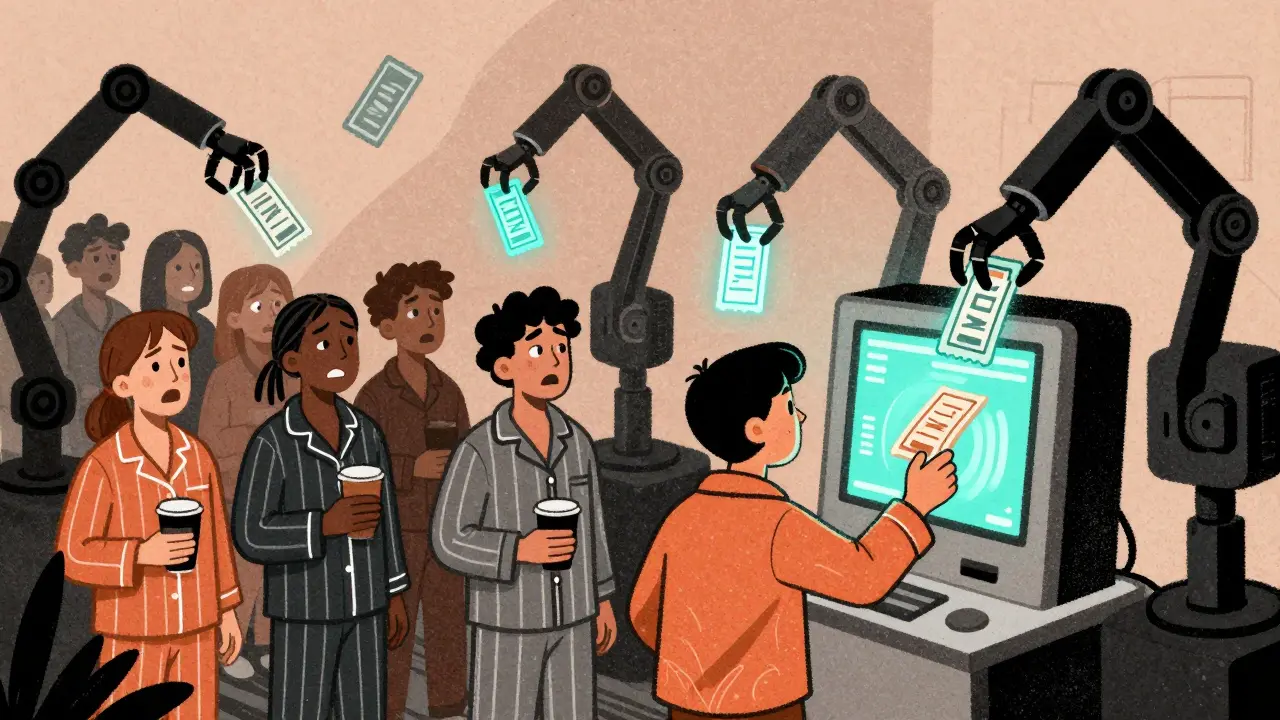
Imagine lining up at 8 a.m. for a concert you’ve been waiting months for, only to find out every ticket sold out in 12 seconds - not because it’s popular, but because bots bought them all. Then, hours later, those same tickets pop up online for three times the price. That’s scalping. And it’s been a nightmare for fans, artists, and venues for decades. Traditional fixes - like CAPTCHAs, purchase limits, or ID checks - barely slow down the machines. But there’s a new tool that actually works: NFT ticketing.
What Makes NFT Tickets Different?
NFT stands for Non-Fungible Token. That sounds technical, but here’s what it really means: each ticket is a one-of-a-kind digital item, stored on a blockchain. Unlike a PDF or barcode you can screenshot and share, an NFT ticket has a unique digital fingerprint. It can’t be copied. It can’t be forged. And it carries a full history of who owned it, when, and for how much. When you buy an NFT ticket, you’re not just getting access to the event - you’re getting a verifiable piece of digital ownership. This isn’t theory. Coachella, Tomorrowland, and even Ticketmaster have already rolled out NFT tickets for major events. And the results? Fewer fakes. Fewer inflated prices. More control for organizers - and fairer access for fans.How Smart Contracts Block Scalpers
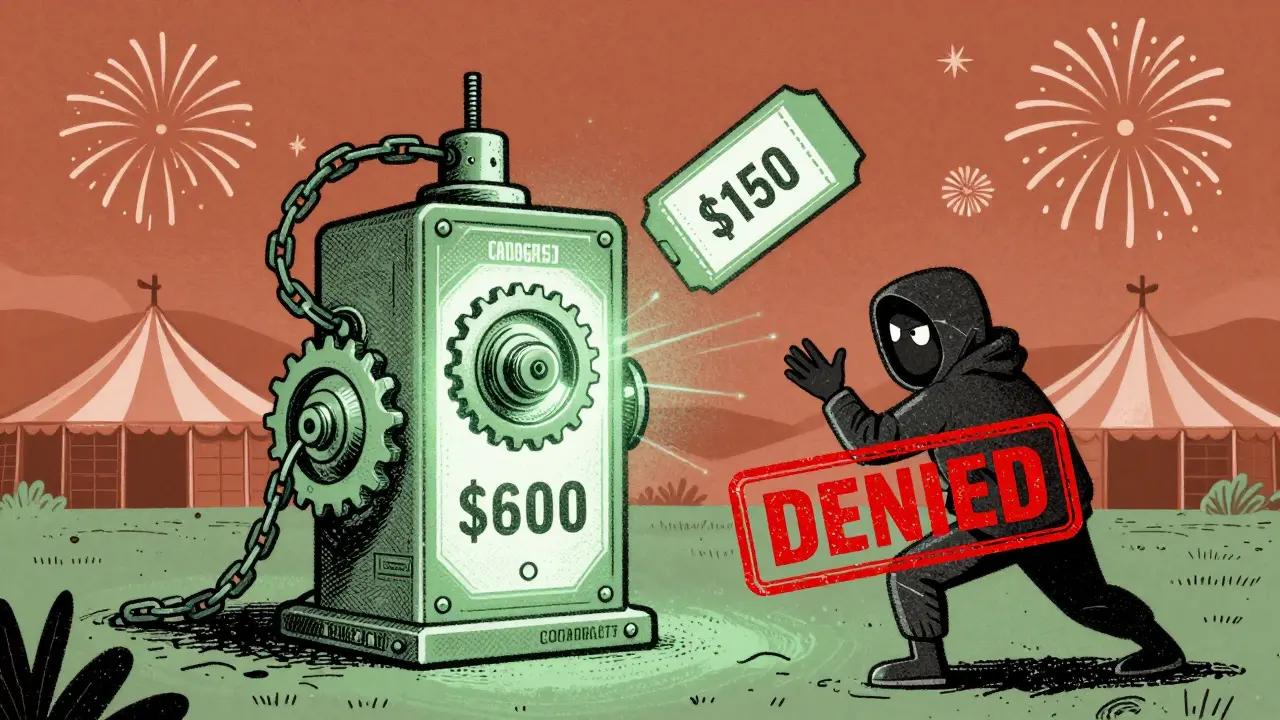
The real magic isn’t the NFT itself - it’s the smart contract behind it. Think of a smart contract like a self-running computer program that enforces rules automatically. No human intervention needed. When you buy an NFT ticket, the smart contract can be programmed with one simple rule: you can only resell this ticket for $150 or less. Scalpers love to buy 50 tickets at face value, then flip them for $500 each. With NFT ticketing, they can’t. The smart contract blocks any resale above the limit. If someone tries to list it for $600, the system just says no. And if they try to transfer it to someone else without approval? The transfer fails. No loopholes. No workarounds. Even better, the organizer can take a cut. Let’s say you set a 20% royalty fee. If that ticket resells for $150, $30 goes back to the artist or venue. That’s money they never saw before. It turns the secondary market from a scalper’s playground into a revenue stream for creators.Why Traditional Methods Fail
You’ve probably seen the old anti-scalping tricks:- Buying limits - “Only 4 tickets per person.”
- Personalized tickets - “Must show ID matching name on ticket.”
- Dynamic pricing - “Price goes up as demand rises.”
Real-World Proof: Who’s Using It?
You don’t have to take our word for it. Look at what’s already working:- Coachella issued NFT tickets in 2024. Attendees reported almost zero counterfeit tickets. Resales were capped at 10% above face value, and 15% of resale proceeds went to the festival.
- Tomorrowland used NFTs for its 2025 lineup. Only verified fans could buy, and resale required approval through their official app. Scalpers were locked out.
- Ticketmaster now offers NFT tickets for select shows. Their system lets fans resell tickets at face value plus a small fee - no markups allowed.
What About the Tech Barrier?
Sure, there’s a learning curve. You need a digital wallet. You need to understand private keys. You need to know how to transfer an NFT. For some people - especially older fans or those less tech-savvy - that’s intimidating. But the industry is catching up. Platforms now offer one-click wallet creation. Many apps auto-generate wallets when you buy a ticket. You don’t need to know what a blockchain is - just like you don’t need to know how Wi-Fi works to stream a movie. And the alternatives? Having your ticket stolen, resold, or declared fake at the gate? That’s way worse than setting up a wallet once.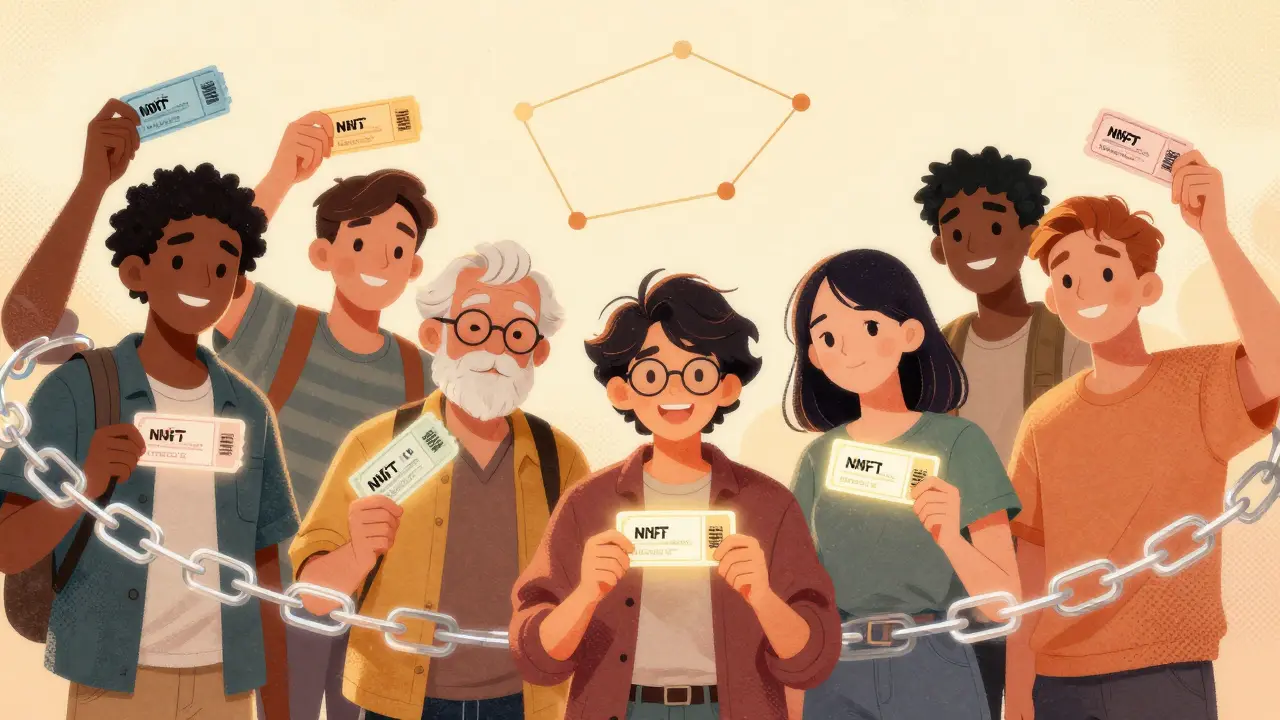
Environmental Concerns? Let’s Be Real
You’ve probably heard that blockchains use too much energy. That used to be true - especially with Bitcoin and early Ethereum. But most NFT ticketing today runs on Ethereum’s upgraded network (Ethereum 2.0), which uses 99.95% less energy than before. Other chains like Polygon and Solana are even cleaner. The real environmental cost? The paper tickets you throw away. The fuel burned by people driving across town to pick up will-call tickets. The servers running centralized ticketing systems that crash under demand. NFT ticketing reduces waste, reduces energy waste, and reduces fraud.Who Benefits the Most?
It’s not just the artists. It’s the fans. - A 16-year-old who saved for months to see their favorite band? Now they can actually get a ticket without paying $800. - A small indie venue? They can finally make money from resales instead of losing it to middlemen. - An artist? They get paid every time their ticket changes hands - even after the first sale. This isn’t just about stopping scalpers. It’s about fixing a broken system that’s been rigged against fans for years.What’s Next?
NFT ticketing isn’t replacing every concert ticket tomorrow. But it’s becoming the standard for high-demand events. The next step? Integration with public transit apps, loyalty programs, and even fan communities. Imagine your NFT ticket unlocking backstage content, exclusive merch drops, or early access to next year’s lineup. The technology is here. The proof is in the data. And the fans are ready for change.Can NFT tickets be stolen or hacked?
NFT tickets themselves can’t be copied or forged - that’s built into the blockchain. But if someone gets access to your digital wallet (by stealing your private key or phishing you), they can transfer the ticket. That’s why it’s critical to use strong passwords, enable two-factor authentication, and never share your recovery phrase. Most platforms now offer wallet recovery tools and fraud alerts to help prevent this.
Do I need cryptocurrency to buy an NFT ticket?
No. Most NFT ticketing platforms let you pay with a credit card, Apple Pay, or Google Pay. The blockchain handles the backend. You never see a wallet address unless you choose to transfer the ticket later. You’re buying a ticket - not investing in crypto.
What happens if I lose my phone or delete my wallet?
If you backed up your wallet using the recovery phrase (usually 12 or 24 words), you can restore access on any device. Most platforms now offer backup options like email-linked recovery or cloud storage tied to your account. If you didn’t back up, you’ll likely lose access - just like losing a physical ticket. That’s why recovery steps are built into the buying process.
Can I resell my NFT ticket if I can’t go?
Yes - but only under rules set by the organizer. You can usually resell on the official platform, at a price capped by the smart contract. You can’t list it on StubHub or eBay. If you try, the system won’t let you. This ensures the ticket stays affordable and stays in the hands of real fans.
Are NFT tickets only for big festivals?
No. While big events like Coachella got the headlines, smaller venues and local artists are adopting NFT ticketing too. Platforms like SeatlabNFT and Ticketscript now offer affordable tools for indie promoters. The tech is scalable - and the cost to implement is dropping fast.

Gary Gately
January 29, 2026 AT 16:40Richard Kemp
January 31, 2026 AT 03:39Tom Sheppard
January 31, 2026 AT 12:47Parth Makwana
February 1, 2026 AT 11:58Crystal Underwood
February 3, 2026 AT 04:03Mark Ganim
February 4, 2026 AT 22:19Elle M
February 6, 2026 AT 00:30Tom Sheppard
February 6, 2026 AT 07:29