Wrapped Crypto Cost Calculator
Calculate Your Wrapping Costs
Estimate fees, time, and tax implications for converting your cryptocurrency to wrapped tokens
Tax Note: Wrapping or unwrapping cryptocurrency may trigger capital gains tax in many jurisdictions. This tool does not provide tax advice.
What Exactly Is Wrapping Cryptocurrency?
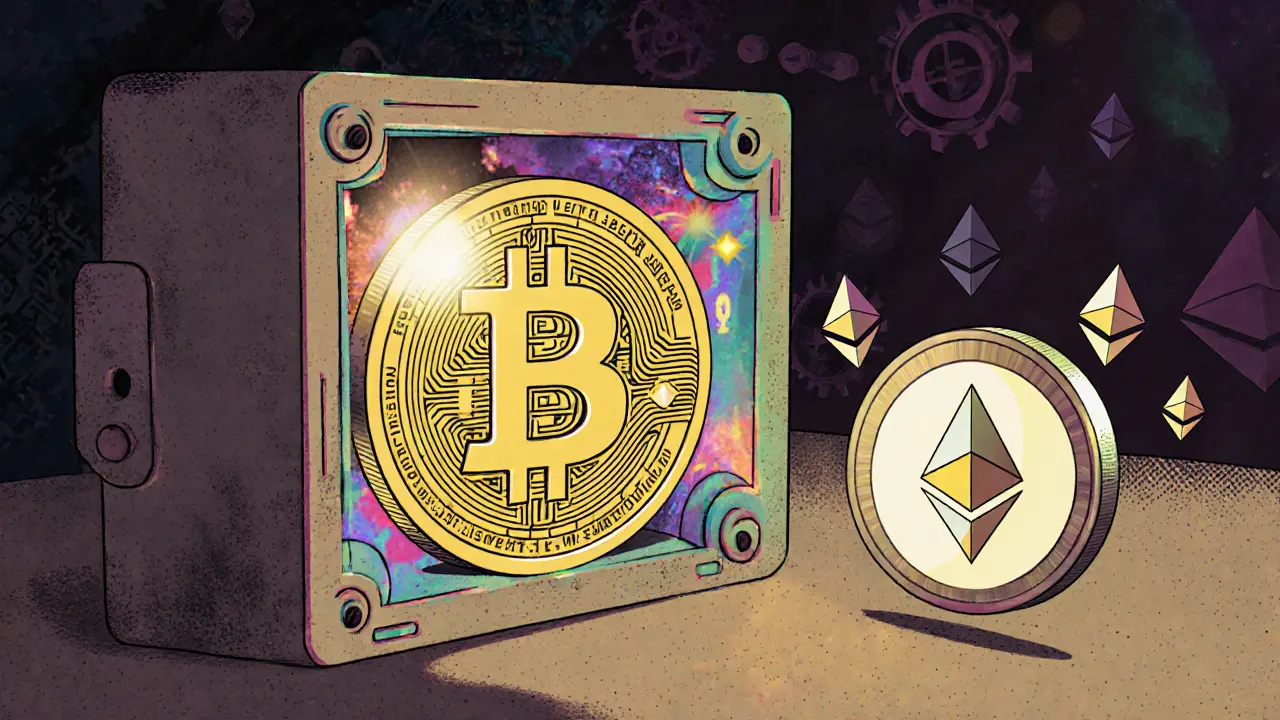
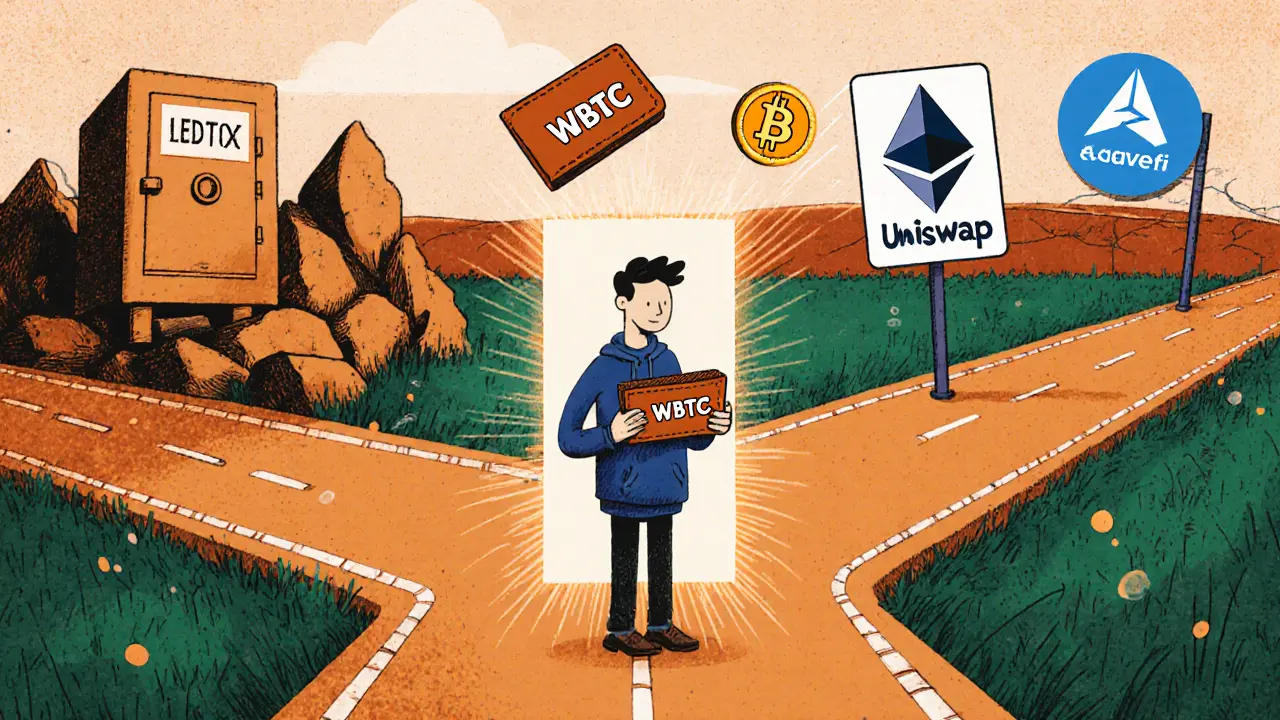
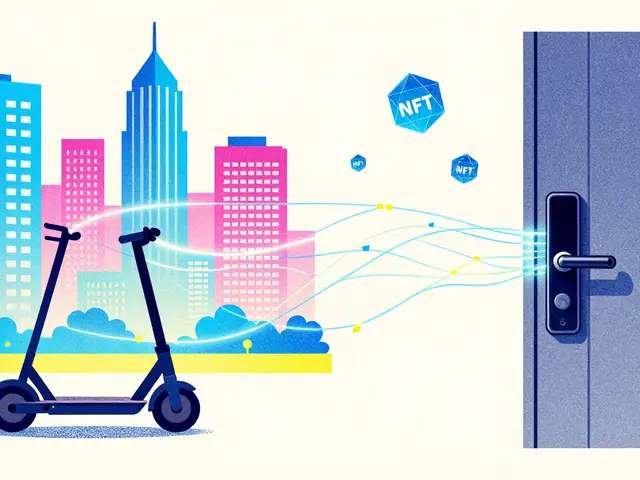
Wrapping cryptocurrency means turning one coin into a version that works on a different blockchain. For example, you can turn Bitcoin (BTC) into Wrapped Bitcoin (WBTC), which acts like an ERC-20 token on Ethereum. This lets you use Bitcoin in Ethereum-based apps like Uniswap, Aave, or Compound-apps that otherwise only accept Ethereum and its tokens.
It’s not magic. Every wrapped token is backed 1:1 by the real coin locked in a secure vault. If you wrap 1 BTC, exactly 1 BTC is locked away, and you get 1 WBTC in return. When you unwrap, the WBTC is destroyed and your original BTC is released back to you.
This process solves a real problem: blockchains don’t talk to each other. Bitcoin can’t natively interact with Ethereum smart contracts. Wrapping bridges that gap-temporarily.
Why Do People Wrap Crypto?
Most people wrap crypto to access DeFi. Ethereum’s decentralized finance ecosystem is worth over $54 billion, and it’s full of lending, borrowing, and yield farming opportunities. But if you own Bitcoin and want to earn interest on it, you can’t just send BTC to Aave. You need WBTC.
Wrapped Ethereum (wETH) is another common case. Even though ETH is Ethereum’s native currency, most DeFi apps don’t accept it directly. They need ERC-20 tokens. So ETH gets wrapped into wETH to work in those apps. It’s not a different asset-it’s just a formatted version of ETH that smart contracts understand.
Traders also use wrapped tokens to move value quickly between chains. Instead of waiting for cross-chain bridges to settle, they wrap, swap, and unwrap-often in under an hour.
How Wrapping Works: The Step-by-Step Process
Wrapping isn’t something you do by typing commands into a terminal (unless you’re advanced). Most users do it through exchanges or wallets. Here’s how it works behind the scenes:
- You choose a wrapped token you want-say, WBTC.
- You send your real BTC to a merchant (like Coinbase, BitGo, or Kyber).
- The merchant sends your BTC to a custodian-a trusted entity that holds the original asset.
- The custodian locks your BTC in a secure wallet and mints an equal amount of WBTC on Ethereum.
- The WBTC is sent back to your Ethereum wallet.
That’s it. You now have WBTC in your MetaMask, ready to use in DeFi.
The whole process usually takes 15 to 30 minutes. During high network traffic, it can take longer. You’ll pay Ethereum gas fees-typically $1.25 to $3.50-just to mint the token.
How Unwrapping Works: Getting Your Original Crypto Back
Unwrapping is the reverse. You want your BTC back? Here’s the flow:
- You send your WBTC to the same merchant you used to wrap it.
- The merchant forwards the WBTC to the custodian.
- The custodian checks that the WBTC is valid and hasn’t been double-spent.
- The WBTC is burned (destroyed) permanently.
- Your original BTC is released from the lock and sent back to your Bitcoin wallet.
Unwrapping takes longer-25 to 45 minutes-because the custodian has to manually verify the request. Some platforms even require identity checks if you’re moving large amounts.
Don’t assume any wallet can unwrap. You can’t just send WBTC to a random Bitcoin address. You need to use the same platform or a trusted merchant that has access to the custodian.
WBTC vs. wETH vs. renBTC: Key Differences
Not all wrapped tokens are built the same. Three major types dominate the market:
| Token | Underlying Asset | Custody Model | Market Share (Q3 2023) | Key Feature |
|---|---|---|---|---|
| WBTC | Bitcoin | Centralized (BitGo as sole custodian) | 92.7% | Most widely accepted in DeFi |
| wETH | Ethereum | Decentralized (smart contract only) | 99% of wrapped ETH | No custodian-fully trustless |
| renBTC | Bitcoin | Decentralized (Darknodes network) | 4.2% | No single point of failure |
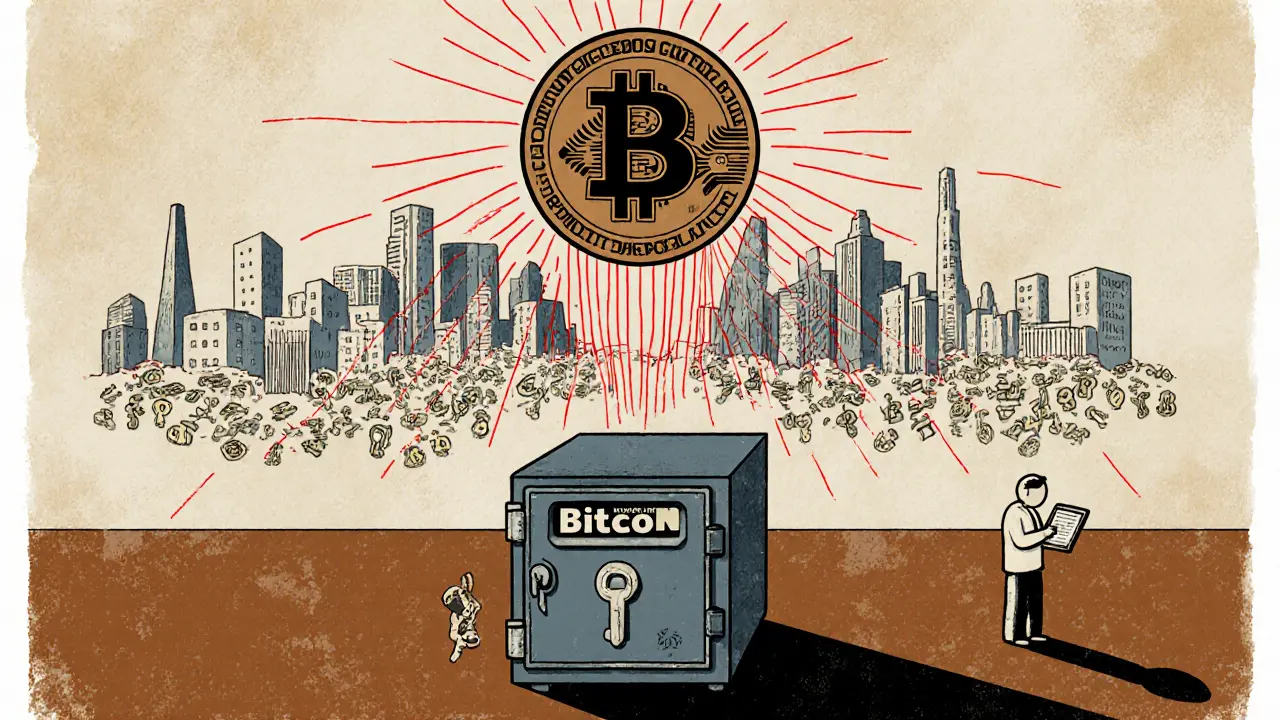
WBTC is the most popular because it’s supported by over 20 major DeFi platforms. But it’s also the riskiest-BitGo is the only custodian. If BitGo gets hacked or goes offline, WBTC could freeze.
wETH is safer because there’s no human in the loop. It’s just code. But you still need to trust Ethereum’s network.
renBTC tries to be decentralized, but it’s lost most of its market share. Fewer people use it because it’s slower and more expensive.
Security Risks and Real-World Failures
Wrapping sounds simple, but it’s not risk-free. The biggest danger? Custodial failure.
In July 2023, the Multichain bridge was hacked, and $32 million in wrapped assets vanished. The problem? The bridge didn’t have enough reserve proof. Users couldn’t verify if their tokens were actually backed.
Another issue: fake token contracts. On Reddit, users have lost thousands by sending WBTC to scam addresses that look like the real WBTC contract. The fix? Always check the contract address on Etherscan and compare it to the official WBTC merchant list.
Even the best systems have flaws. A 2023 audit by Trail of Bits found that 7 out of 12 major wrapped token projects offered real-time reserve proofs. The other 5 didn’t. That means 18.7% of all wrapped assets had no public way to prove they were fully backed.
And then there’s the tax side. The Australian Taxation Office says wrapping crypto triggers a capital gains event. If you wrap 1 BTC worth $165,000 into WBTC worth $180,000, you owe tax on the $15,000 gain-even if you never sold it.
Who Uses Wrapped Tokens-and Why
Two groups dominate: retail investors and institutions.
For retail users, wrapped tokens are a gateway to yield farming. Over 63% of users wrap crypto to earn interest on platforms like Aave or Compound. They’re not trying to be developers-they just want to make their Bitcoin work harder.
Institutions are different. BlackRock deployed $250 million in WBTC into Aave’s lending pool. Fidelity is filing patents for institutional-grade wrapped asset systems. They’re not chasing 10% APY-they’re using wrapped tokens to move billions across ecosystems without relying on centralized exchanges.
But here’s the catch: 92.7% of wrapped Bitcoin is WBTC. That means almost all Bitcoin in DeFi flows through one custodian. If BitGo fails, it could trigger cascading liquidations across $5 billion in DeFi protocols. That’s not just a risk-it’s a systemic threat.
How to Get Started Safely
If you’re new to wrapping, here’s how to do it without losing money:
- Use a trusted platform: Coinbase, Kraken, or MetaMask’s built-in wrapping feature. Avoid sketchy decentralized tools unless you know Solidity.
- Check the contract: Before sending any tokens, verify the contract address on Etherscan. WBTC’s official address is
0x2260FAC5E5542a773Aa44fBCfeDf7C193bc2C599. - Wait for low gas fees: Use GasNow or Ethereum Gas Tracker to wrap during off-peak hours. You can save up to 60% on fees.
- Start small: Wrap 0.01 BTC first. Test the unwrapping process before committing more.
- Don’t send wrapped tokens to the wrong chain: WBTC on Ethereum can’t go to a Bitcoin wallet. Sending it there means permanent loss.
What’s Next for Wrapped Tokens?
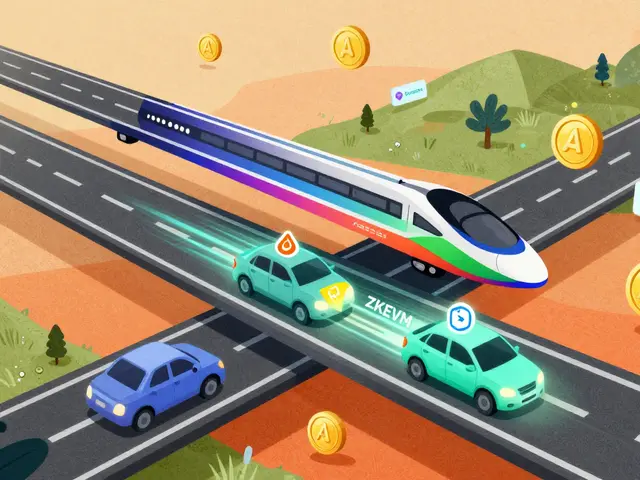
The future of wrapping is unclear. On one hand, the WBTC DAO is moving to a multi-custodian model-adding Fireblocks and Copper to reduce single-point risk. That’s a good sign.
On the other hand, Ethereum’s core team is working on a protocol upgrade that could let ETH function as a native token inside smart contracts. If that happens, wETH might become obsolete.
Regulators are watching too. The SEC is investigating whether wrapped tokens are securities. The European Banking Authority now requires all wrapped assets in the EU to prove 1:1 backing in real time.
Some experts think wrapped tokens are just a bridge-temporary until blockchains can talk natively. Others argue they’ll stick around because they’re simple, liquid, and already embedded in DeFi.
For now, they’re essential. Whether you’re earning yield, trading, or moving value, wrapping and unwrapping are part of the crypto infrastructure. Just know what you’re trusting-and who holds the keys.
Frequently Asked Questions
Is wrapping crypto the same as staking?
No. Staking means locking your crypto to help secure a blockchain and earn rewards. Wrapping means converting your crypto into a different format so it works on another blockchain. You’re not helping validate blocks-you’re changing the token’s structure.
Can I unwrap WBTC back to BTC anytime?
Yes, but only through approved merchants like BitGo, Coinbase, or Kyber. You can’t unwrap directly from your wallet. The custodian must verify and release your BTC. Delays of 1-7 days can happen during high volume or if your identity needs verification.
Is WBTC safe to use in DeFi?
WBTC is widely used and accepted, but it carries custodial risk. BitGo holds all the Bitcoin backing WBTC. If BitGo is hacked or refuses to release funds, your WBTC becomes worthless. For maximum safety, use only small amounts and verify reserves on-chain.
Why does wETH exist if ETH is already on Ethereum?
ETH can’t be used directly in most DeFi smart contracts because it’s not an ERC-20 token. wETH is an ERC-20 version of ETH that follows the standard rules smart contracts expect. It’s the same value, just formatted differently.
Do I pay taxes when I wrap or unwrap crypto?
Yes. In many countries, including the U.S., Australia, and the UK, wrapping or unwrapping is treated as a taxable event. You’re exchanging one asset for another. If the value changed between the original and wrapped token, you owe capital gains tax on the difference.
What happens if I send WBTC to a Bitcoin address?
You lose it permanently. WBTC is an Ethereum token. Bitcoin wallets can’t read or hold it. There’s no recovery mechanism. Always double-check the network and token type before sending.

Paul McNair
November 30, 2025 AT 13:26Also, shoutout to BitGo for keeping things stable. Yeah, centralized, but it works. And until we get true cross-chain interoperability, this is the least painful bridge.
Mohamed Haybe
December 2, 2025 AT 07:15Marsha Enright
December 4, 2025 AT 00:06Use Coinbase or MetaMask’s built-in tool - super simple. And start small! Wrap 0.001 BTC first, test unwrapping, then go big. You got this! 💪❤️
Andrew Brady
December 5, 2025 AT 19:09Sharmishtha Sohoni
December 7, 2025 AT 03:40Althea Gwen
December 8, 2025 AT 01:41Also why does everything have to be ‘wrapped’? Can’t we just… be? 🫠
Durgesh Mehta
December 8, 2025 AT 09:58Sarah Roberge
December 9, 2025 AT 15:06Jess Bothun-Berg
December 11, 2025 AT 12:19