
You might remember when moving to Portugal meant paying zero taxes on your Bitcoin profits. That era is technically over, but don't panic. The narrative that Portugal killed its crypto appeal is exaggerated. Yes, the government introduced a structured tax framework in 2023, but if you hold Bitcoin for more than a year, you still pay nothing on those gains. For long-term holders, this remains one of the most attractive deals in Europe. The catch? It’s not as simple as just showing up and buying a coffee. You need to understand the new rules, specifically how the Portuguese Personal Income Tax Code categorizes your activities. If you’re an occasional investor who buys and holds, you are likely better off than in Germany or France. If you trade daily like a pro, you face steeper progressive rates. This guide breaks down exactly where you stand under the current 2026 regulations.
The Shift from Zero Tax to Structured Exemptions
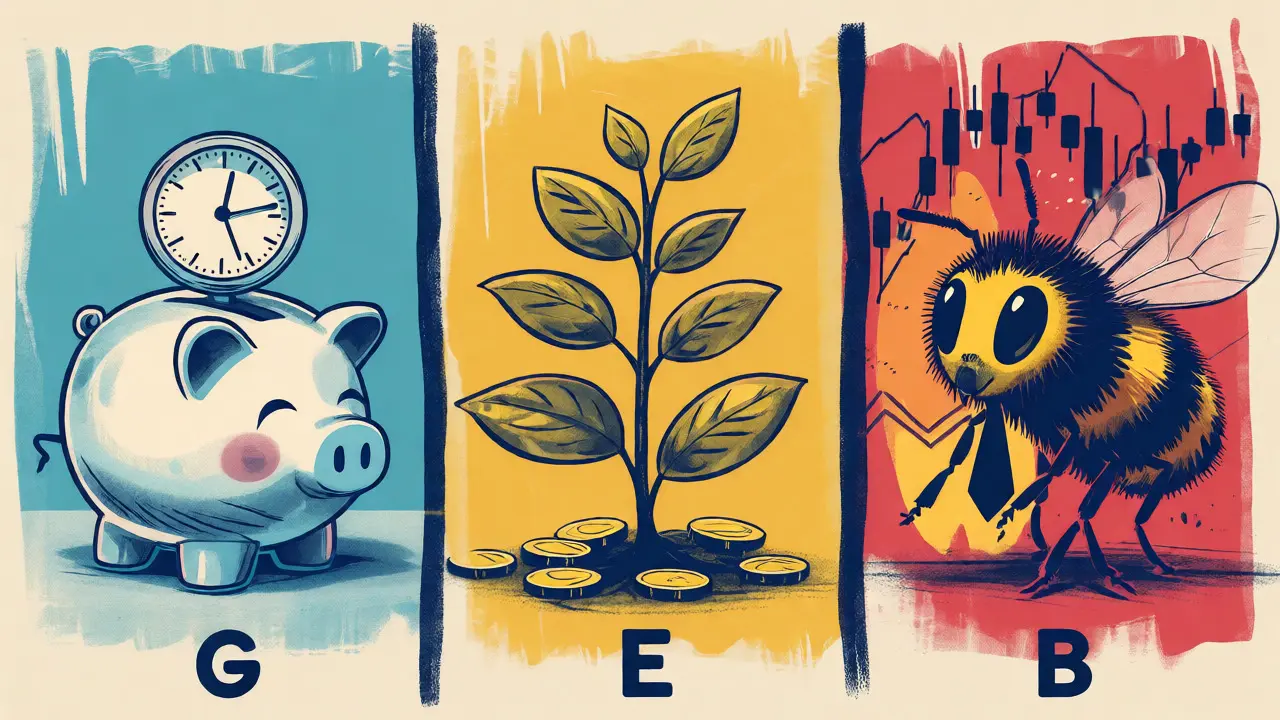
Before 2023, cryptocurrencies didn’t fit neatly into Portugal’s existing tax categories, so they were effectively untaxed. The state budget reform changed that by integrating crypto into the Personal Income Tax (PIT) Code. But here is the good news: the core benefit for long-term investors survived. The system now divides crypto activities into three distinct buckets. Your tax liability depends entirely on which bucket your activity falls into. Misclassifying yourself can lead to unexpected bills, so getting this right is crucial.
The first category, Category G, covers capital gains. This is where most retail investors live. If you sell Bitcoin after holding it for more than 365 days, the gain is exempt from personal income tax. If you sell within a year, you pay a flat 28% rate. There is no progressive scale here; it’s a straightforward percentage. This simplicity is a massive advantage compared to countries where short-term gains are taxed at your highest marginal income tax rate, which can exceed 45% in places like Germany or France.
Understanding the Three Tax Categories
To optimize your tax position, you must distinguish between passive investing, passive income, and professional trading. The Portuguese tax authority, known as Autoridade Tributária e Aduaneira (AT), looks closely at the frequency and volume of your transactions to determine your status.
- Category G (Capital Gains): Applies to selling Bitcoin for fiat currency. Hold for >365 days = 0% tax. Hold for <365 days = 28% flat tax.
- Category E (Capital Income): Covers passive earnings like staking rewards, lending interest, or airdrops. These are taxed at a flat 28% rate regardless of how long you held the asset.
- Category B (Self-Employment/Business): Applies if you are deemed a professional trader or miner. Profits here are subject to progressive rates ranging from 14.5% to 53%, plus social security contributions.
The distinction between Category G and Category B is the most dangerous area for active traders. If the AT decides your trading constitutes a business-based on high volume, frequent trades, and significant profit-you lose the flat 28% cap and face the top marginal rate. For casual investors who rebalance their portfolio occasionally, this risk is low. For day traders, it’s a major consideration.
| Feature | Portugal (2026) | Germany | France |
|---|---|---|---|
| Long-term Holding Exemption | Tax-free after 365 days | Tax-free after 1 year | No exemption (Flat tax applies) |
| Short-term Capital Gains Rate | Flat 28% | Progressive up to 45% | Flat 30% (PFU) |
| Crypto-to-Crypto Swaps | Non-taxable event | Taxable event | Taxable event |
| Professional Trading Rate | Up to 53% (Category B) | Progressive income tax | Progressive income tax |
The Hidden Gem: Crypto-to-Crypto Swaps
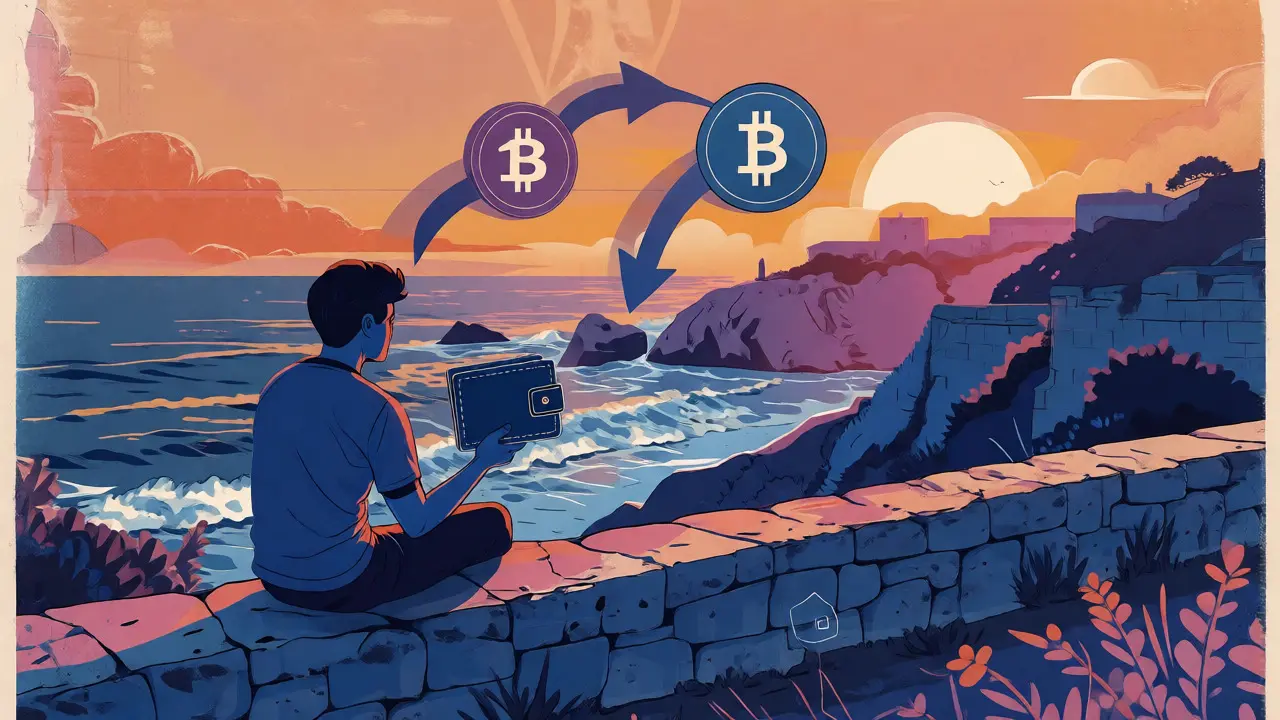
One of the biggest advantages remaining in Portugal’s framework is the treatment of crypto-to-crypto exchanges. In many jurisdictions, swapping Bitcoin for Ethereum is considered a taxable disposal. You have to calculate the gain in euros and report it immediately, even if you haven’t cashed out. In Portugal, these swaps are generally not taxable events. This allows you to rebalance your portfolio without triggering a tax bill. You only pay tax when you convert back to fiat currency (Euro, USD, etc.). This feature alone makes Portugal superior to Germany and France for investors who actively manage their digital asset allocations.
However, be careful with stablecoins. While USDT or USDC are often treated similarly to other cryptos, some interpretations suggest they might be viewed closer to foreign currency equivalents. Always consult a local accountant if your strategy involves heavy stablecoin usage before converting to fiat.
Staking and Passive Income Rules
If you earn yield on your Bitcoin through lending platforms or staking protocols, you fall under Category E. Unlike capital gains, there is no long-term exemption here. Staking rewards are taxed at a flat 28% rate when received. This is a critical detail for holders who rely on passive income. Many people assume that because their capital gains are tax-free, their staking rewards are too. They are not. You must declare this income annually. The flat rate is predictable, which is better than the complex calculations required in some other EU countries, but it is a cost you cannot avoid unless you structure your holdings differently.
Note that mining is treated differently. If you mine Bitcoin as a hobbyist, it might fall under Category E. If you run a serious mining operation with dedicated hardware and staff, it shifts to Category B, subjecting you to business taxes and social security contributions. The line between hobby and business is thin, so keep detailed records of your setup and expenses.
Residency Requirements and the NHR Program
To enjoy these benefits, you must be a tax resident in Portugal. This typically means spending more than 183 days in the country during a tax year, or having your habitual abode there. Simply owning property isn’t enough; you need to establish genuine ties. Once you are a resident, you might qualify for the Non-Habitual Resident (NHR) regime, although its application to crypto has become stricter. Historically, NHR offered a flat 20% rate on certain incomes and exemptions on foreign pensions. For crypto investors, the primary benefit remains the domestic tax code itself rather than the NHR status, but NHR can still help with other income streams like consulting fees or remote work salaries.
Be aware that the NHR program underwent changes recently. New applicants should verify their eligibility carefully. Even without NHR, the standard Portuguese tax code offers significant advantages for long-term crypto holders. Don’t let the bureaucracy scare you off; the process is manageable if you plan ahead.
Compliance and Reporting Pitfalls
Portugal’s tax authorities are improving their tracking capabilities. While enforcement was historically lax, the integration of crypto reporting standards (CARF) and local audits means you can’t hide behind anonymity anymore. You must keep precise records of every transaction: date, time, amount, and value in Euros at the moment of the trade. Tools like CoinTracking or Koinly can help generate reports compliant with Portuguese requirements.
A common mistake is failing to document the acquisition date accurately. Since the 365-day rule determines whether you pay 0% or 28%, a missing timestamp could force you to use FIFO (First-In, First-Out) methods, potentially triggering higher taxes than necessary. Also, remember that while crypto-to-crypto swaps aren’t taxed, they do reset the holding period clock for the new asset in some interpretations, though usually, the original holding period carries over. Clarify this with a specialist to maximize your exemption window.
Frequently Asked Questions
Do I pay tax on Bitcoin if I hold it for less than a year?
Yes. If you sell Bitcoin within 365 days of purchase, you must pay a flat tax rate of 28% on the capital gain. This applies to the profit made from the sale, not the total sale amount.
Are crypto-to-crypto swaps taxable in Portugal?
Generally, no. Swapping one cryptocurrency for another (e.g., Bitcoin to Ethereum) is not considered a taxable event in Portugal. You only incur tax liability when you convert crypto into fiat currency or goods/services.
What happens if I am classified as a professional trader?
If the tax authorities classify your trading as a professional activity (Category B), you lose the flat 28% rate. Instead, your profits are subject to progressive tax rates, which can go up to 53%, plus mandatory social security contributions.
Is staking income tax-free in Portugal?
No. Staking rewards, lending interest, and airdrops are classified as Category E income. They are taxed at a flat rate of 28% upon receipt, regardless of how long you have held the underlying asset.
Does the Golden Visa apply to Bitcoin investments?
Directly, no. The Golden Visa requires investment in real estate, funds, or job creation. However, some private funds that accept crypto assets may qualify, allowing you to use Bitcoin proceeds to fund an eligible investment vehicle.