Imagine buying a new cryptocurrency, watching it soar for an hour, and then realizing the developers just sold everything and vanished. That’s a rug pull. It’s the nightmare scenario for anyone trading meme coins or early-stage tokens on Solanaa high-performance blockchain known for low fees and fast transactions. Enter Launchpad (RUGPROOF)a Solana-based platform and token designed to prevent rug pulls through strict bonding curves and wallet caps. The name promises safety in a space famous for scams. But does it actually deliver, or is it just another layer of complexity masking risk?
If you’re seeing this ticker pop up on your wallet or hearing chatter about "anti-dump mechanics," you need to understand what’s happening under the hood before you put any money in. This isn’t just about holding a coin; it’s about understanding a specific mechanism intended to fix the broken economics of token launches.
The Core Promise: Zero-Risk Early Investment
Most launchpads let developers sell tokens directly to investors. If the dev dumps their holdings immediately, the price crashes. Launchpad (RUGPROOF) tries to stop this by using a bonding curvea mathematical model that determines token price based on supply, ensuring gradual price increases rather than sudden spikes. Here’s how it works in plain English:
- The 24-Hour Window: When a new token launches on RugProof, it doesn’t hit the open market instantly. Instead, it sells via a bonding curve for exactly 24 hours.
- Automatic Refunds: If the project fails to reach its liquidity target within those 24 hours, 100% of the invested SOLthe native cryptocurrency of the Solana network used for transaction fees and staking is automatically refunded to buyers. No more waiting for a dev to decide whether to return funds.
- Gradual Unlocking: Even if the launch succeeds, tokens aren’t all released at once. They unlock gradually, preventing a single whale from dumping their entire position on day one.
This structure aims to create a "fairer" environment where retail buyers aren’t immediately outgunned by insiders with cheap entry prices.
How the Anti-Dump Mechanics Actually Work
Beyond the refund guarantee, RugProof enforces hard rules on who can hold the token. These are the technical guardrails that define its "rugproof" branding:
| Feature | Standard Solana Launch | RUGPROOF Mechanism |
|---|---|---|
| Wallet Cap | None or soft limits | Hard cap: Max 3% per wallet |
| Liquidity Lock | Varies by developer trust | Enforced via bonding curve completion |
| Refund Policy | Manual or non-existent | Automatic 100% SOL refund on failure |
| Fee Distribution | Often kept by devs | 85-100% returned to community/buybacks |
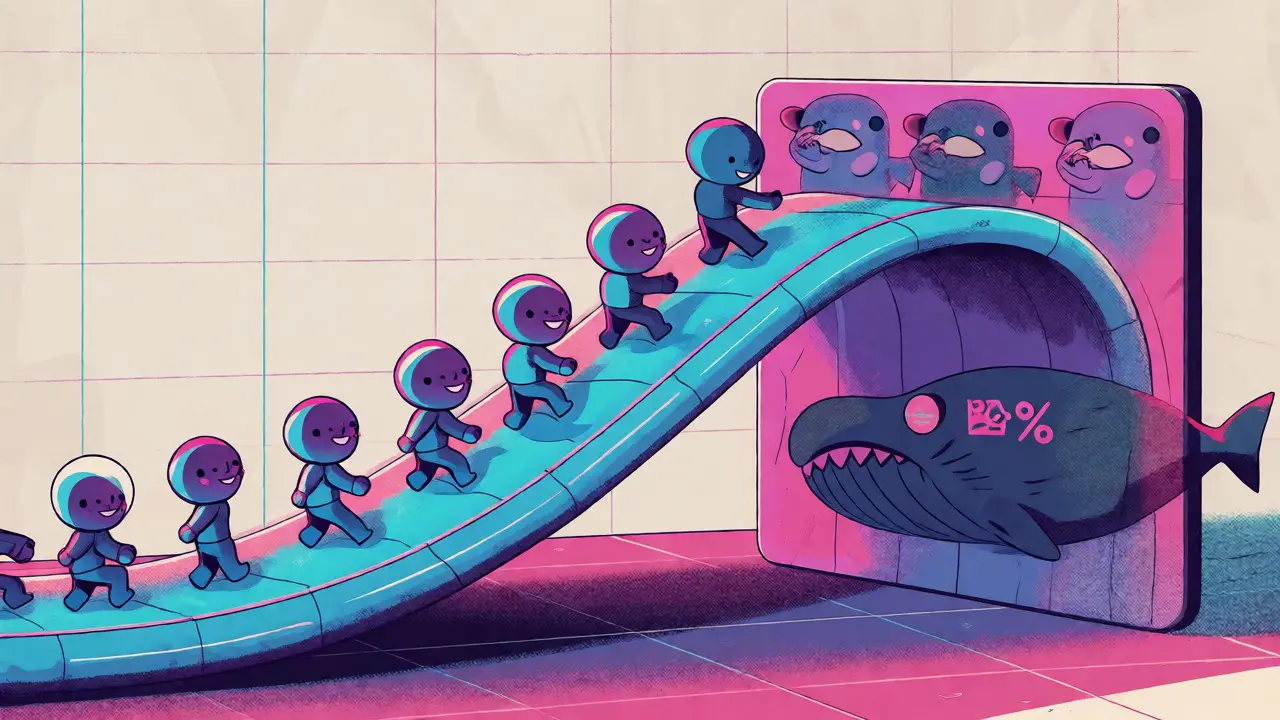
The 3% wallet cap is the most critical feature here. In many crypto projects, a handful of addresses hold 50% of the supply. On RugProof, no single address can buy more than 3% of the total supply during the launch phase. This forces decentralization from minute one. If a whale wants to accumulate more, they have to wait for secondary market trading after the initial bonding period ends.
The Tokenomics: Where Does the Money Go?
Understanding where fees go helps you gauge the sustainability of the ecosystem. Sources vary slightly, but the general consensus points to a community-first model. According to platform data, approximately 85% of all transaction fees generated by the launchpad are returned to the community or used for token buybacks. The remaining percentage supports development operations.
Some sources claim 100% of fees go back to users and developers, which would make it highly attractive for holders. However, discrepancies in reporting across platforms like Dexscreener and CoinMarketCap suggest you should treat these percentages as dynamic rather than fixed laws. Always check the live dashboard before assuming passive income will be significant.
The Controversy: Is It Really Rugproof?
Here is the uncomfortable truth: A tool designed to prevent rugs was itself accused of rug-like behavior. In mid-2025, blockchain analytics firm Bubblemaps flagged concerning patterns in the distribution of the RUGPROOF token itself.
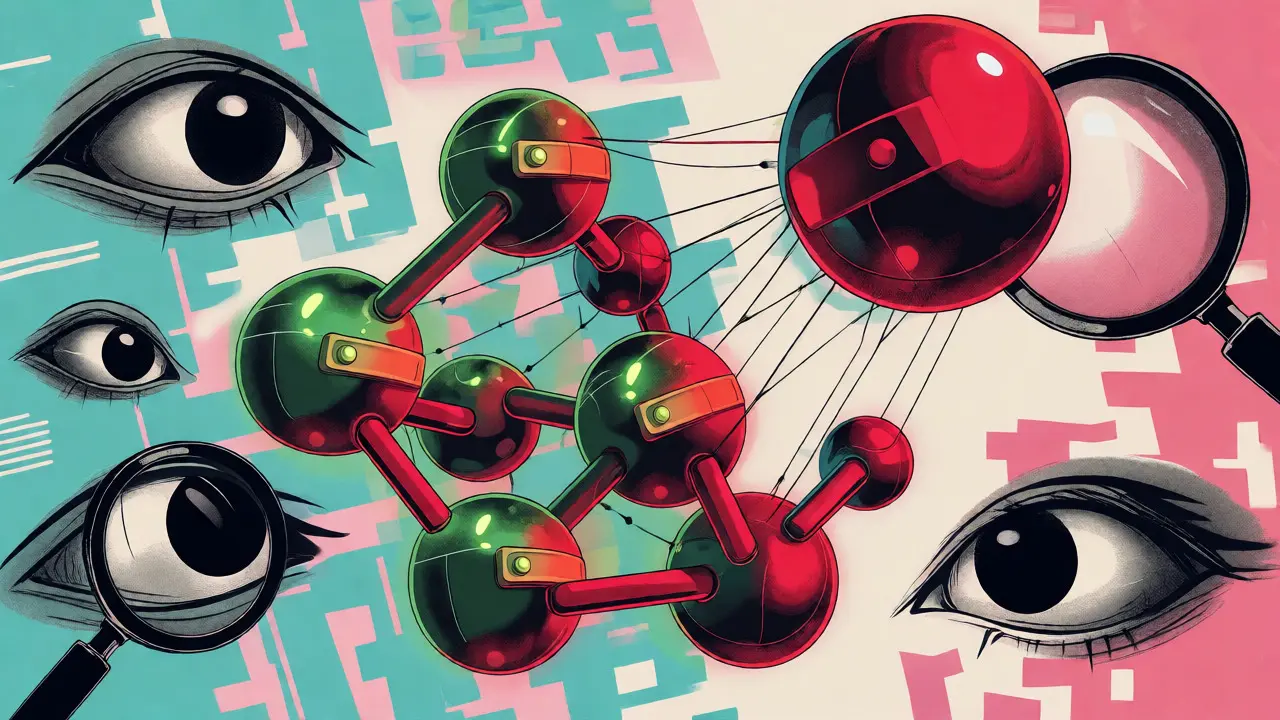
The analysis revealed that wallets associated with the project creator purchased roughly 50% of the total supply shortly after launch. While the platform prevents individual wallets from holding more than 3%, it didn’t initially prevent a coordinated group of linked wallets from acting as a single entity. Critics argued this centralized control contradicted the decentralized promise. The team responded by highlighting buybacks and rewards, but the on-chain data remained a point of contention for skeptical investors.
This highlights a key lesson in crypto: Smart contracts enforce code, not intent. If the team controls multiple wallets, mechanical caps can be bypassed unless there is strict identity verification or further decentralization measures.
How to Buy and Trade RUGPROOF
You won’t find RUGPROOF listed for direct fiat purchase on major centralized exchanges like Coinbase or Binance yet. It trades primarily on Raydiuma leading automated market maker and liquidity provider on the Solana blockchain.
- Get a Solana Wallet: Install Phantom or Solflare.
- Fund with SOL: Buy Solana on an exchange and send it to your wallet.
- Connect to Raydium: Use the Raydium interface to swap SOL for RUGPROOF.
- Check Liquidity: Ensure there is enough depth in the pool to handle your trade size without massive slippage.
Note that some trackers show conflicting supply figures. CoinMarketCap lists a max supply of 859 million, while other explorers report different circulating numbers. This inconsistency is common in micro-cap assets but requires caution when calculating market cap values.
Verdict: Who Should Consider RUGPROOF?
Launchpad (RUGPROOF) appeals to traders tired of instant rug pulls on Solana. If you believe in the utility of bonding curves and want a structured way to enter early-stage projects, it offers a distinct advantage over unregulated memecoin sniping.
However, do not mistake "mechanical safety" for "investment safety." The underlying asset still faces volatility, low liquidity compared to top-tier coins, and unresolved questions about centralization. It is a niche tool for active participants, not a passive long-term store of value like Bitcoin or Ethereum.
Is RUGPROOF available on Binance or Coinbase?
No, RUGPROOF is not currently listed for direct trading on major centralized exchanges like Binance or Coinbase. You must use a Web3 wallet like Phantom and trade on decentralized exchanges such as Raydium on the Solana network.
What happens if a token launch on RugProof fails?
If a token does not complete its bonding curve within the designated 24-hour window, the smart contract automatically refunds 100% of the SOL invested by buyers. This eliminates the risk of losing capital in failed launches.
Why is there controversy surrounding the RUGPROOF token?
Analytics firms noted that wallets linked to the project creators acquired a large portion of the supply early on. Critics argue this centralizes control, potentially undermining the "decentralized" and "anti-rug" claims, despite the platform's technical safeguards.
Can I earn rewards by holding RUGPROOF?
Yes, the platform markets built-in rewards for loyal holders. A significant portion of transaction fees (reported between 85% and 100%) is redistributed to the community or used for buybacks, aiming to support the token price and reward long-term holders.
What is the maximum supply of RUGPROOF?
Data varies by source, but CoinMarketCap reports a total and maximum supply of 859,000,000 RUGPROOF. Other explorers may report lower circulating supplies due to different counting methods for locked or burned tokens.
Sayantan Bhadury
October 2, 2026 AT 13:09typical crypto hype. bonding curves dont stop devs from dumping linked wallets. bubblemaps already flagged the 50% supply issue. its not rugproof, its just slow rugs.
Mike Thomas
October 2, 2026 AT 19:33You are missing the point completely if you think this is about stopping every single dump instantly. The 24-hour window and automatic refunds change the game for retail traders who usually get wrecked by insiders in the first few minutes. Yes, the Bubblemaps data is concerning, but that was mid-2025 and the team has been actively buying back tokens since then to offset that initial concentration. We need to look at the current on-chain activity rather than clinging to old screenshots. If you actually read the tokenomics section, you would see that 85% of fees go back to the community or buybacks, which creates a natural floor that standard meme coins simply do not have. Stop being so cynical about innovation just because it requires reading a whitepaper instead of blindly sniping a ticker on Telegram. The mechanical caps are hard-coded into the smart contract, meaning no dev can bypass the 3% wallet limit during the launch phase without breaking the code itself. This forces decentralization from minute one, even if early whales try to coordinate later. You have to give credit where it is due: they solved the instant-refund problem that plagues every other Solana launchpad. If your project fails to hit liquidity targets, you get your SOL back automatically, no waiting for a dev to be nice. That alone saves me hours of stress and potential loss compared to traditional launches. I am holding RUGPROOF because the utility is real, not because I believe in magic. The market cap discrepancies mentioned in the article are normal for micro-caps as circulating supply updates dynamically based on burns and locks. Do not let fear-mongering keep you out of a platform that actually tries to fix the broken economics of early-stage investing. Check the live dashboard yourself before dismissing the entire ecosystem based on one analytics report from last year.
Genevieve LeMarchal
October 4, 2026 AT 03:52omg yes!! i totally agree with mike. its scary how many people just skip the tech details and panic over charts. i love that my sol gets refunded if the launch flops, feels way safer than gambling on random dog coins. also the fee redistribution is legit cool, keeps the community involved instead of just lining dev pockets. we gotta support these new mechanics if we want solana to grow up 🌟
Glen Russell
October 4, 2026 AT 19:49The assertion that mechanical caps ensure true decentralization is fundamentally flawed when one ignores the reality of Sybil attacks. A single entity controlling fifty distinct wallets technically adheres to the three percent rule while effectively monopolizing the supply. One must question the integrity of identity verification protocols within this specific ecosystem. Without rigorous KYC measures, the term 'rugproof' remains a marketing slogan rather than a technical guarantee. Investors should exercise extreme caution regarding the discrepancy between reported max supplies and actual circulating numbers. Trusting dynamic supply figures without independent audit confirmation is a risk few can afford. The centralization observed in early wallet distributions suggests that the project creators retain significant leverage over price action regardless of secondary market trading rules. It is imperative to distinguish between smart contract enforcement and economic reality. Code cannot prevent coordinated sell-offs by entities sharing a common treasury. Therefore, skepticism is not cynicism but necessary prudence in an environment lacking transparent ownership structures.
rose meechan
October 6, 2026 AT 06:44Hey everyone! Just wanted to chime in and say I appreciate both sides here. 😊 It's great that Mike is highlighting the refund features because that really does help beginners feel less anxious about trying new projects. But Glen makes a valid point about wallet clustering that we shouldn't ignore. Maybe the solution isn't to dismiss the project entirely but to monitor how the buybacks affect those large clusters over time? 📈 It's all about staying informed and keeping our boundaries healthy while exploring new tech. Let's keep the discussion respectful and focused on facts rather than fears. 💪✨
lady D
October 6, 2026 AT 07:46i hear yall. honestly its exhausting seeing the same arguments replayed every week. i just want a safe place to put my money without worrying if the dev will vanish overnight. the refund thing is what sold me personally. hope the buybacks work out for us small holders.