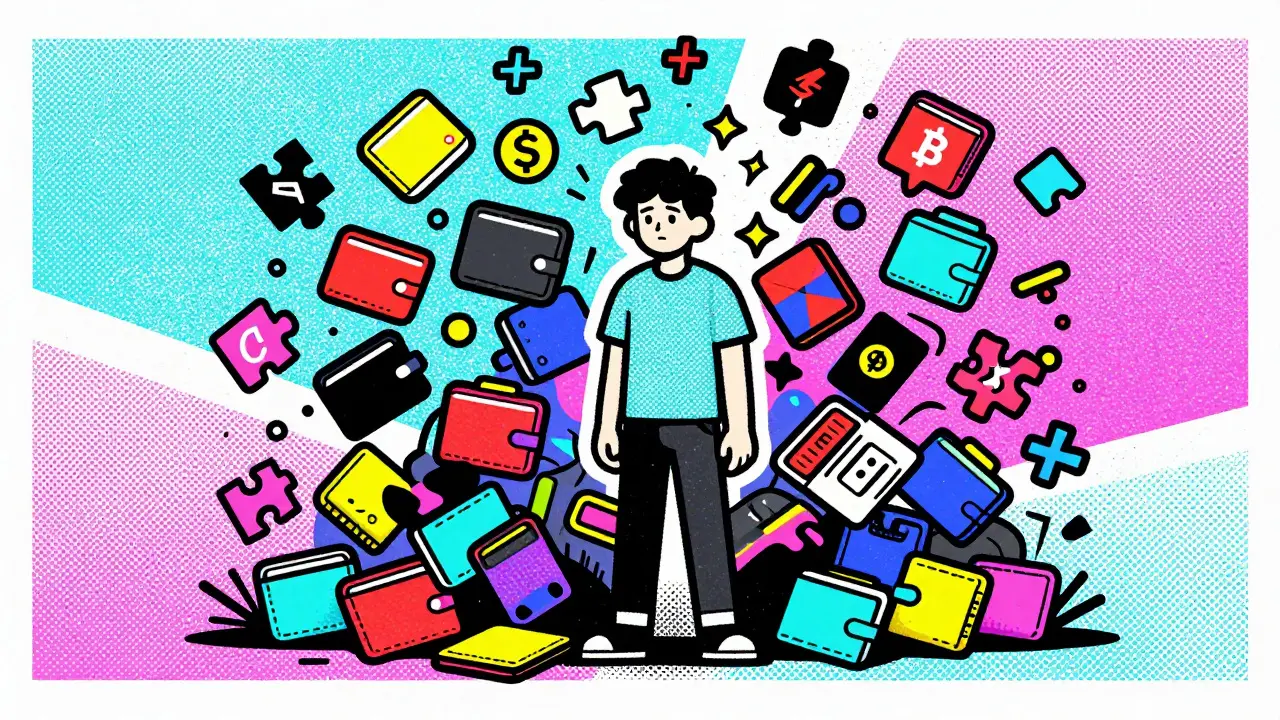
Imagine logging into your favorite apps with just one password, no matter which company built them. Now imagine doing that for cryptocurrency. You don’t have to switch wallets, buy different gas tokens for every network, or worry about which blockchain you are on. This is the promise of Particle Network, a Layer-1 blockchain infrastructure designed to solve Web3's biggest headache: fragmentation. The native coin behind this system is called PARTI. If you have been hearing about "chain abstraction" and wondering what it actually means for your portfolio or your daily crypto usage, you are in the right place. Let’s break down how Particle Network works, why the PARTI token matters, and whether this technology can finally make crypto feel as easy as using a credit card.
The Problem With Crypto Wallets Today
To understand why Particle Network exists, we first need to look at the mess we are currently dealing with. Right now, if you want to use a decentralized app (dApp) on Ethereum, you need an ETH balance for gas fees. If you move to Solana, you need SOL. If you jump to Polygon, you need MATIC. It is like trying to travel across Europe but needing to exchange currency at every single border crossing, even though you are just visiting friends next door.
This fragmentation creates two major barriers:
- Complexity for Users: New users get overwhelmed by managing multiple private keys and understanding which chain they are on.
- Friction for Developers: Builders spend too much time integrating multi-chain support instead of focusing on their product features.
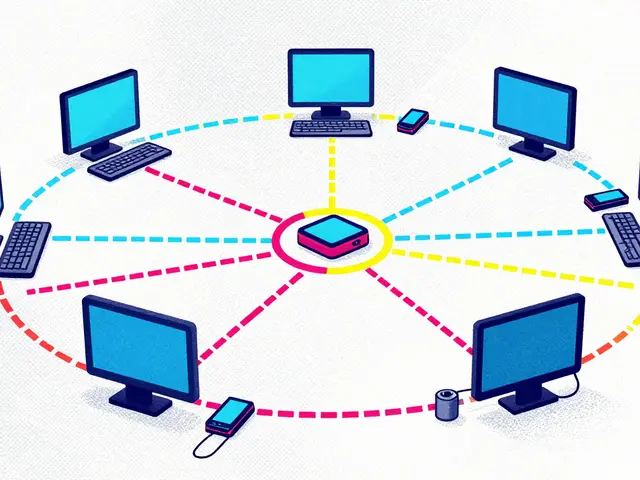
Particle Network aims to erase these borders. Their concept, known as Chain Abstraction, hides the underlying blockchain complexity from the user. You interact with the application, not the network. The network handles the rest.
How Particle Network Works: The Three Layers
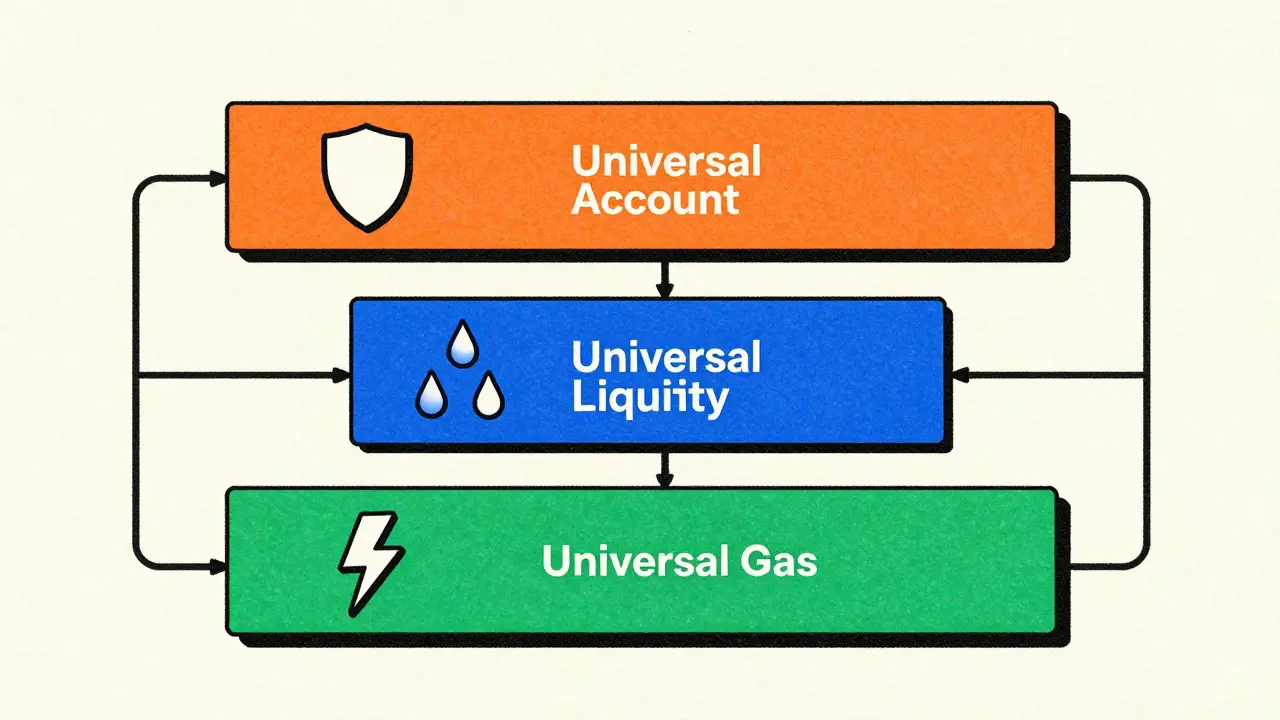
Particle Network isn't just a bridge; it is a complete infrastructure overhaul. They built a modular architecture consisting of three main layers that work together to create a seamless experience. Think of it as a universal translator for blockchains.
- Universal Account Layer: This is the identity layer. Instead of having separate wallets for each chain, you have one Universal Account. This account uses advanced cryptography (like SECP256r1/ECDSA) to secure your identity across all networks. It supports account abstraction, meaning you can recover your wallet easily, sign transactions without exposing your private key directly to dApps, and manage permissions safely.
- Universal Liquidity Layer: This layer aggregates assets from different chains. When you send money, Particle Network routes it through the most efficient path, swapping tokens automatically if needed. You don't see the swap; you just see your funds arrive.
- Universal Gas Layer: This is perhaps the most user-friendly feature. Normally, you must hold the native token of a chain to pay for transaction fees. With Particle, you can pay gas fees in any major token (like USDC or even fiat), and the system converts it instantly. You never need to hunt for ETH or SOL to pay a small fee.
What Is the PARTI Token Used For?
The PARTI token is the fuel that keeps this engine running. It is not just a speculative asset; it has hard-coded utility within the Particle ecosystem. Here is how PARTI functions in practice:
| Function | Description | Benefit to User/Ecosystem |
|---|---|---|
| Gas Payments | PARTI is the native gas token for the Particle Chain. | All transactions on the Particle Chain settle in PARTI, creating constant demand. |
| Liquidity Provision | Users can stake PARTI to provide liquidity for cross-chain swaps. | Stakers earn rewards from the fees generated by cross-chain transactions. |
| Governance | Holders vote on protocol upgrades and parameter changes. | Ensures the network evolves based on community needs, not just developers. |
| Ecosystem Incentives | Used in launchpools, IDOs, and primary token auctions. | Early adopters and holders get access to new projects and fee discounts. |
One critical detail is the supply structure. There is a fixed total supply of 1 billion PARTI tokens. Initially, 233 million entered circulation. The remaining tokens are locked and released only when specific ecosystem milestones are met. This prevents sudden inflation dumps and aligns long-term growth with actual network adoption.
Why Chain Abstraction Matters More Than Bridges
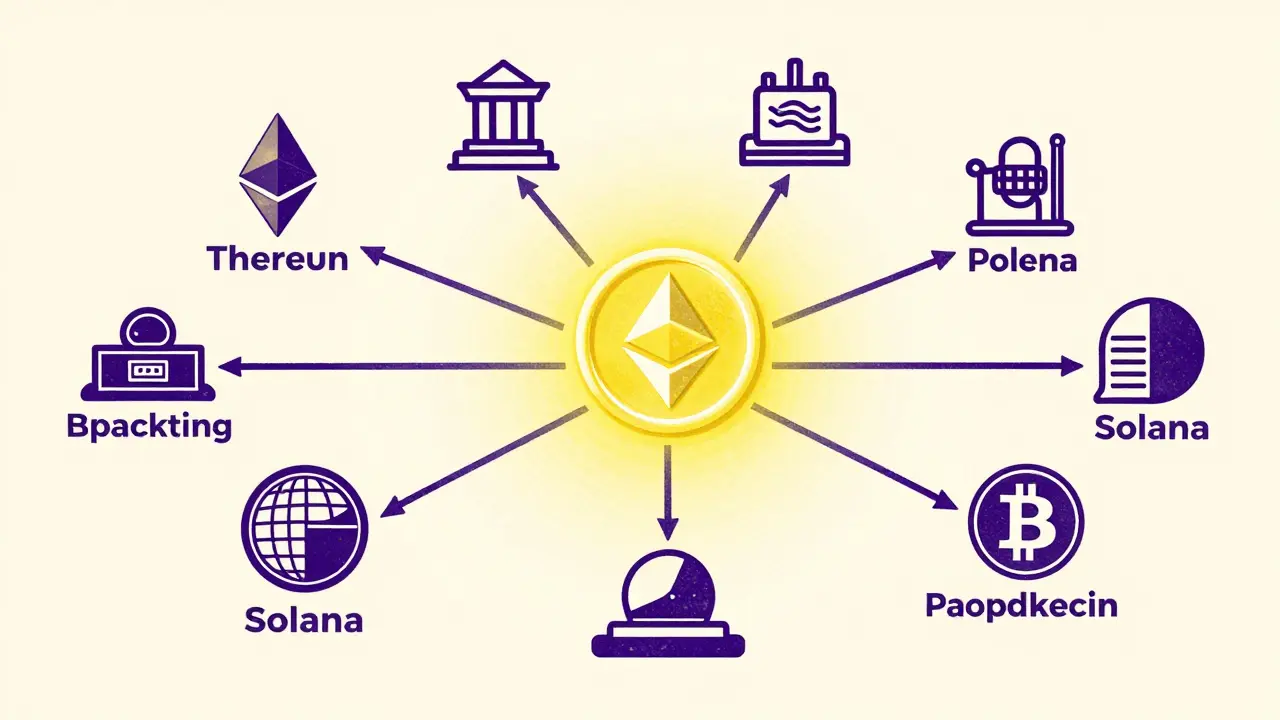
You might ask, "Aren't there already bridges like LayerZero or Cosmos?" Yes, but there is a distinct difference. Traditional bridges move assets from Chain A to Chain B. You still have to manage the destination wallet and the destination gas token. It is a technical solution for a technical problem.
Particle Network takes a different approach. It focuses on the user, not just the asset. By abstracting the chain, the user doesn't know or care which blockchain processed their transaction. This is crucial for mass adoption. Imagine if Netflix required you to log in with a different username and password every time you switched from a movie to a TV show. You would quit. Particle removes that friction.
Furthermore, Particle supports both EVM (Ethereum Virtual Machine) and non-EVM chains. This interoperability allows developers to build once and deploy everywhere, significantly reducing development costs and time-to-market for new dApps.
Market Performance and Community Trust
A project’s technology is only half the story; market validation tells us if people believe in it. Particle Network has shown strong signs of confidence from both retail investors and institutional players.
During its Initial DEX Offering (IDO) on Binance, PARTI raised $1.26 million. What stands out is not just the amount, but the oversubscription rate: 160 times. This means for every token available, there were 160 buyers waiting in line. Additionally, 9% of the total supply was airdropped to the loyal community, rewarding early testers and advocates rather than just selling to the highest bidder.
The testnet phase also demonstrated massive engagement. In May 2024, over 1.3 million users participated in the testnet, earning more than 6.7 billion PARTI points. While points are not tokens, this level of participation indicates that the user interface and concept resonated with a broad audience. Since then, PARTI has been listed on major exchanges like OKX and Binance, making it accessible to millions of traders worldwide.
Risks and Considerations Before Investing
No cryptocurrency investment is without risk. While Particle Network addresses real problems, you should consider a few factors before buying PARTI.
- Competition: The race for chain abstraction is heating up. Projects like Abstract Chain, Base, and various Layer-2 solutions are also trying to simplify the user experience. Particle must maintain its technological edge and developer adoption to stay ahead.
- Regulatory Uncertainty: As crypto regulations tighten globally, infrastructure protocols that handle identity and cross-border transactions may face scrutiny. Always check the latest regulatory status in your jurisdiction.
- Token Unlock Schedule: Although the initial supply was limited, remember that the remaining 767 million tokens are locked. Future unlocks could increase selling pressure if demand does not grow proportionally. Monitor the vesting schedule closely.
Who Should Care About Particle Network?
If you are a casual crypto user who gets frustrated by gas fees and complex wallet setups, Particle Network is building the future you want. For developers, the Protocol SDKs and APIs offer a plug-and-play way to add multi-chain support to existing apps without rewriting code. For investors, PARTI represents a bet on the infrastructure layer of Web3-the "picks and shovels" play in the gold rush of decentralized applications.
The vision is ambitious: billions of users interacting with dApps seamlessly. Whether Particle achieves this depends on execution, partnerships, and continued developer adoption. But the direction is clear. The era of managing ten different wallets for ten different chains is ending. Chain abstraction is the bridge to the mainstream.
Is Particle Network a Layer 1 or Layer 2 blockchain?
Particle Network operates as a Layer-1 blockchain infrastructure protocol. However, it functions primarily as an abstraction layer that sits above existing L1s and L2s, enabling them to communicate seamlessly. It has its own Particle Chain for settlement, but its value comes from connecting other chains.
How do I buy PARTI tokens?
You can purchase PARTI tokens on major centralized exchanges such as Binance and OKX. Simply create an account, deposit funds (like USDT or BTC), and trade for PARTI. You can then transfer them to a compatible wallet that supports the Particle Network ecosystem.
What is the maximum supply of PARTI?
The total fixed supply of PARTI is 1,000,000,000 (1 billion) tokens. Approximately 233 million were in circulation at launch, with the rest locked and scheduled to unlock based on ecosystem milestones.
Does Particle Network support Bitcoin?
Yes, Particle Network’s Universal Liquidity Layer is designed to support both EVM and non-EVM chains, including Bitcoin. This allows for cross-chain interactions involving BTC, although the primary focus has been on Ethereum-compatible ecosystems initially.
Is my data safe with Universal Accounts?
Particle Network emphasizes security through its Security Module, which includes multi-signature support and rigorous audits. The Universal Account uses advanced cryptographic standards (SECP256r1/ECDSA) to ensure that your identity remains secure while allowing seamless access across chains.

KEITH WONG
July 4, 2026 AT 05:22chain abstraction is just marketing speak for centralized custody disguised as tech innovation 🙄 u think hiding the wallet makes it safe? nah. its a honeypot waiting to be drained by devs who control the backend. smart money knows this.
Erika Pozzetto
July 6, 2026 AT 03:54I must say that I find the concept of universal accounts quite intriguing and potentially beneficial for those who are not technologically inclined, although one must consider the implications of centralization which could arise from such a system where a single entity manages access across multiple disparate blockchain networks thereby creating a potential point of failure or attack vector that might compromise the very security principles that decentralization was originally intended to uphold in the first place.
Furthermore, the idea of paying gas fees in stablecoins like USDC does seem like a logical step towards mainstream adoption since it removes the volatility risk associated with holding native tokens solely for transaction purposes, yet we must remain vigilant about the regulatory landscape which may shift dramatically depending on how governments choose to classify these cross-chain interactions and whether they view them as securities or utilities which would have profound effects on the legal standing of the platform and its users alike.
It is also worth noting that the tokenomics structure with a fixed supply and milestone-based unlocks appears designed to mitigate inflationary pressure, but history has shown us that market sentiment can often override fundamental economic models leading to speculative bubbles that eventually burst causing significant losses for retail investors who may not fully understand the underlying mechanics or the long-term vesting schedules involved in such projects.
In conclusion while Particle Network addresses genuine pain points within the current ecosystem, the success of their model will ultimately depend on their ability to maintain trust through transparency and robust security measures rather than relying solely on technological novelty which tends to lose its luster over time when faced with real-world challenges and competitive pressures from other established players in the space.
Linda Hilliard
July 7, 2026 AT 11:30Pfft. You amateurs don't get it. This is the apex of Web3 evolution. The 'custodial' narrative is for people who still use MetaMask like it's 2018. Particle's cryptographic abstraction is superior because it leverages SECP256r1/ECDSA standards that even your basic DeFi protocols can't match. It's elegant. It's efficient. And if you're worried about security, maybe you should focus on learning how zero-knowledge proofs actually work instead of crying about 'centralization' like a scared child. 😒
Kristine Lawson
July 8, 2026 AT 17:42One cannot simply dismiss the inherent risks associated with abstracting away the underlying infrastructure; doing so ignores the fundamental tenet of blockchain technology, which is user sovereignty. When you remove the user's direct interaction with the chain, you are effectively inserting a middleman, regardless of how sophisticated the cryptography may appear.
Moreover, the claim that this is merely "marketing speak" is reductive and fails to engage with the technical nuances presented in the article. While skepticism is healthy, outright dismissal without thorough analysis is intellectually lazy. The distinction between bridging assets and abstracting the user experience is critical, yet often overlooked by those who prefer to cling to outdated paradigms of self-custody at the expense of usability.
We must ask ourselves: is true decentralization possible if the average user cannot navigate the ecosystem without a degree in computer science? If the answer is no, then perhaps solutions like Particle Network are not the enemy of decentralization, but rather a necessary bridge to mass adoption, provided that appropriate safeguards and governance mechanisms are strictly enforced to prevent abuse of power by the protocol developers.
Winston Lacewing
July 9, 2026 AT 01:11OMG this is literally the future!! 🚀🔥 I’ve been waiting for something like this forever. No more switching wallets! No more buying ETH just to pay $0.05 in gas! It’s insane how complicated crypto is right now. Imagine explaining this to your grandma... she’d quit immediately. But with Particle? She could probably buy NFTs without knowing what a blockchain is. That’s wild. 🤯
Also, the fact that they airdropped 9% to the community shows they actually care about the people, not just VC dumping. Most projects rug pull before launch, but this feels different. I’m stacking PARTI like there’s no tomorrow. Don’t sleep on this! 💎🙌
Natalie Lucas
July 10, 2026 AT 00:23its cool i guess