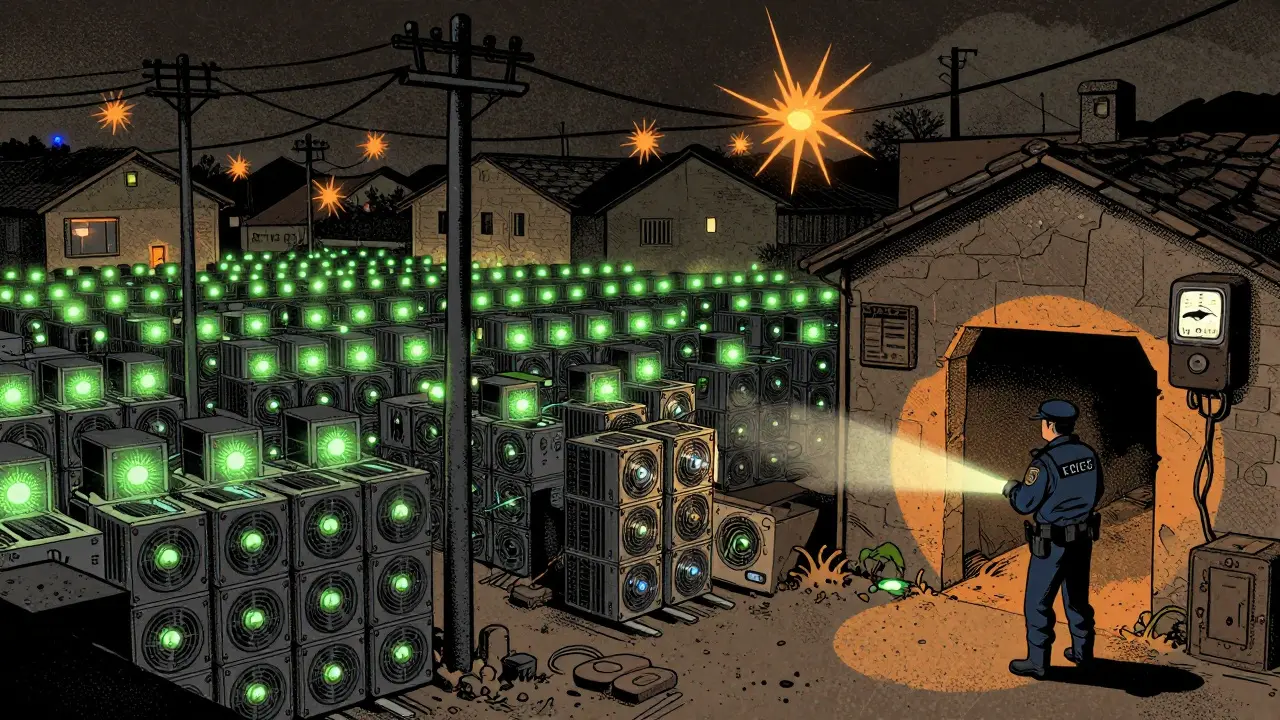
On January 4, 2022, Kosovo shut down all cryptocurrency mining overnight. Not with a court order. Not after a public debate. Not because of fraud or scams. But because the lights were starting to go out across the country.
The Energy Crisis That Forced a Ban
Kosovo’s power grid was already strained. The country relies heavily on coal-fired plants, many of which were aging and inefficient. Winter demand spiked. Fuel imports from neighboring countries got cut off. By December 2021, the government declared a state of emergency. People were getting only a few hours of electricity a day. Schools closed. Hospitals ran on generators. Then came the discovery: hundreds of crypto miners were running 24/7 in homes, warehouses, and even abandoned factories - all on unpaid or heavily subsidized electricity. In northern Kosovo, where many residents didn’t pay their bills at all, mining rigs became the new normal. One mining farm in Mitrovica was pulling more power than an entire small town. The government didn’t care if it was Bitcoin, Ethereum, or Dogecoin. It didn’t matter if the miners were locals or foreigners. What mattered was that their machines were eating up 15% of the country’s total electricity supply - and none of it was being paid for.The Ban: No Exceptions, No Warning
The ban wasn’t a suggestion. It was a legal order. All cryptocurrency mining operations were declared illegal. Possessing mining hardware without government approval became a criminal offense. Police and customs teams were given new authority to raid homes and warehouses based on abnormal electricity usage patterns. Within weeks, they seized over 300 mining rigs. Some were stacked floor-to-ceiling in basements. Others were hidden in shipping containers. One was found in a church basement. The law didn’t just target big operations. Even a single ASIC miner plugged into a home outlet was illegal. The government didn’t care if you were mining for fun or profit. If your device was using grid power, it was against the law.Why Northern Kosovo Was the Focus
The crackdown wasn’t random. It zeroed in on northern Kosovo - areas with large Serbian populations where electricity bills had gone unpaid for years. Local officials turned a blind eye. Miners paid off neighborhood leaders. Electricity theft was common. Crypto mining became the perfect cover: high-tech, anonymous, and profitable. The government saw it as both an energy issue and a political one. By cracking down, they were sending a message: no one gets to exploit the grid, no matter who you are or where you live.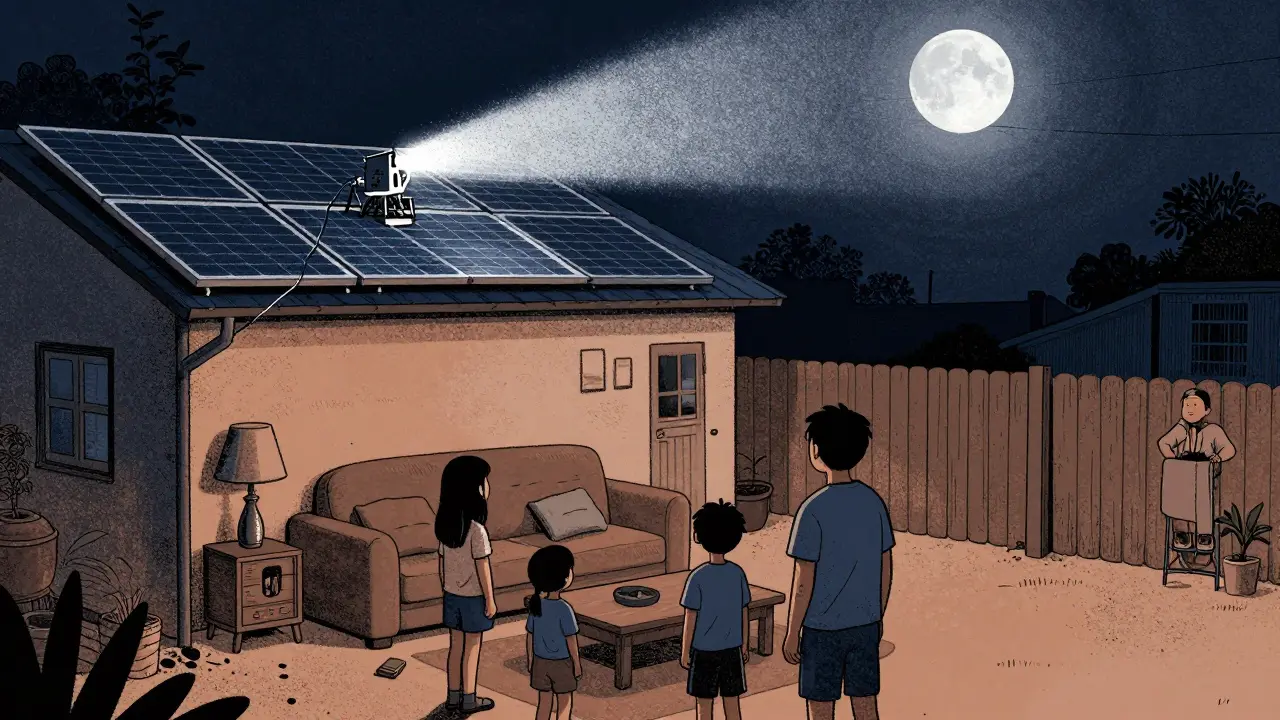
Extensions, Monitoring, and Enforcement
The original ban was supposed to last a few months. But energy shortages didn’t disappear. In August 2022, the government extended it for another 60 days. Then again. And again. The law now allows the government to extend the ban in 30- to 180-day increments, depending on grid conditions. They’ve done it every time. Monitoring became part of daily life. Electricity providers now flag unusual spikes in consumption - like a house using 10,000 kWh in a month when the average is 300. That triggers an inspection. If they find mining gear, the equipment is seized. The owner can face fines or jail time. There’s no gray area.What’s Allowed Now? (2025 Update)
As of 2025, the ban is still fully in effect - but with one tiny crack in the wall. If you can power your mining rig with alternative energy - solar panels, wind turbines, or hydro systems - and you’re not connected to the national grid at all, you might be okay. The government hasn’t formally legalized this, but they’ve stopped raiding off-grid operations. No one’s filing permits. No one’s issuing licenses. But if your rig runs on your own solar array and never touches the public grid, they’re not coming for you. It’s not a legal exception. It’s an unspoken loophole. And it’s the only reason anyone is still mining in Kosovo.Who Got Hurt?
The ban didn’t just stop miners. It froze the entire crypto ecosystem in Kosovo. Investors pulled out. Local crypto exchanges shut down. Remittance startups that wanted to let Kosovo’s massive diaspora - over 1.5 million people living abroad - send money home using Bitcoin were forced to abandon their plans. Families who could have used crypto to bypass expensive wire transfers now rely on Western Union, paying 8-10% in fees every time. Even regular users lost access. Want to buy Bitcoin on a local app? Illegal. Want to pay for a service with crypto? Illegal. Want to use a crypto debit card? Illegal. The ban didn’t just target miners - it made every form of crypto activity risky.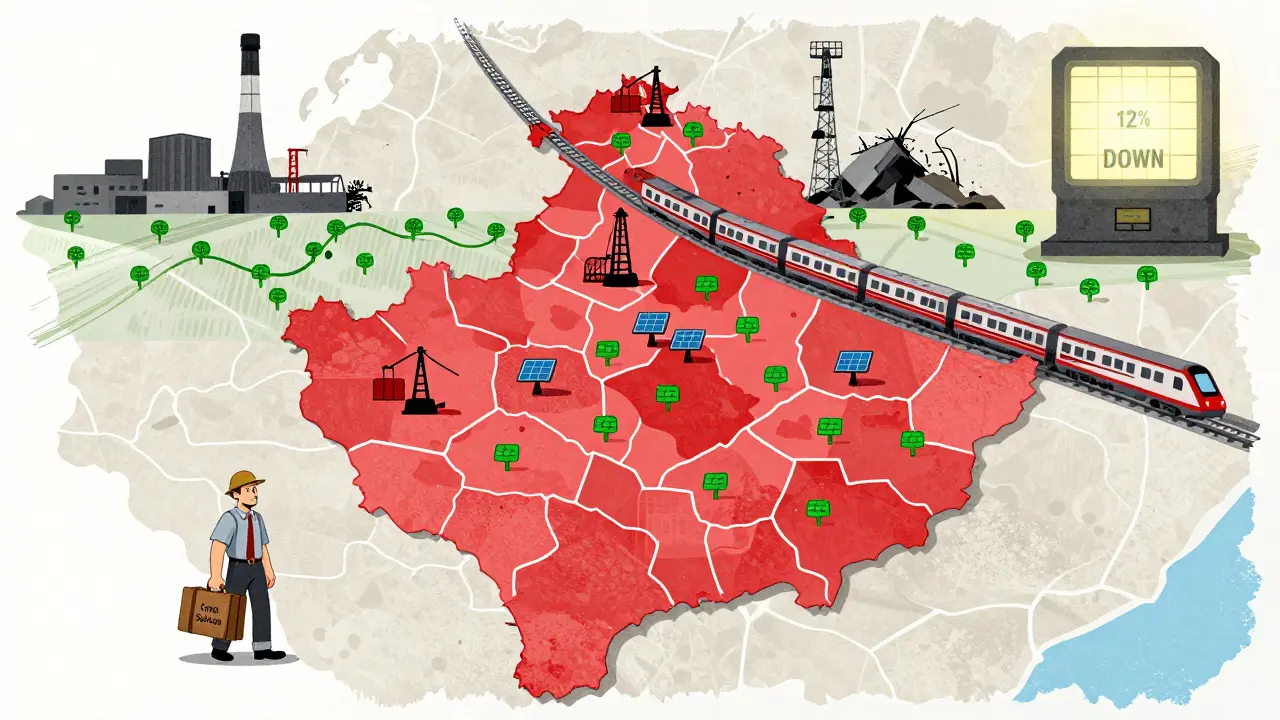
Where Does Kosovo Stand Globally?
Kosovo is one of only eight countries in the world that have outright banned cryptocurrency mining. It joined China, Egypt, and Qatar on that list. Unlike China’s ban, which came after a massive industry exodus, Kosovo’s ban was born out of desperation - and it worked. Electricity consumption dropped by nearly 12% in the first six months. Power outages became rare again. The grid stabilized. The government didn’t just save energy - it saved face. But the cost? Kosovo lost its chance to become a crypto hub. While neighboring countries like Georgia and Portugal welcomed miners with tax breaks and cheap power, Kosovo locked the door. Developers left. Startups moved to Serbia or North Macedonia. The country’s digital economy stalled.What’s Next?
There are whispers of new legislation. The Assembly of Kosovo has talked about creating a legal framework for crypto trading, taxation, and digital assets - but only if mining stays banned. They’re not trying to legalize Bitcoin. They’re trying to control it. Some officials want to allow crypto exchanges and wallets, as long as they’re licensed and taxed. Others say even that’s too risky. The debate is still quiet. No law has passed. No public vote is scheduled. For now, the message is clear: if you want to mine crypto in Kosovo, you need your own power source - and you better not get caught plugging in.What This Means for You
If you’re thinking about mining crypto in Kosovo: don’t. Even if you think you can hide it, the monitoring systems are too advanced. The penalties are too harsh. If you’re a Kosovar living abroad and want to send money home: crypto could help - but it’s still illegal to use here. Stick to traditional remittance services, no matter the cost. If you’re an investor or developer: Kosovo is closed for crypto business. Not because of fear of innovation. But because the country chose survival over speculation. The 2022 ban wasn’t about stopping technology. It was about keeping the lights on. And in a country with limited resources, that choice still stands.
Rishav Ranjan
December 19, 2025 AT 07:50Miners eating power while kids freeze? Yeah, that’s just dumb.
Mmathapelo Ndlovu
December 20, 2025 AT 10:57This hit me right in the heart 😔
Imagine your grandma’s oxygen machine running on a backup battery while someone’s ASIC farm hums away in the next room, unpaid, unregulated, unstoppable.
It’s not about Bitcoin. It’s about who gets to survive.
I’m from South Africa-we know what it’s like when the grid fails and the rich find loopholes.
At least Kosovo had the guts to say: no more.
Not perfect, but necessary.
And now? People are quietly using solar rigs. That’s innovation with integrity 💡🌞
They didn’t kill crypto-they just made it honest.
Tyler Porter
December 21, 2025 AT 20:35This is so important… seriously…
People don’t get it…
Kosovo didn’t ban crypto because they hate tech…
They banned it because they were literally running out of light…
And now? The grid is stable…
And families aren’t shivering in the dark…
That’s not a loss… that’s a win…
And the solar loophole? That’s genius…
It’s not a loophole… it’s evolution…
They didn’t stop innovation… they just made it responsible…
And that’s something we all need to learn…
Steve B
December 22, 2025 AT 19:39Let’s be honest-this isn’t about energy. It’s about control.
They banned mining because the north wouldn’t pay bills, and now they’ve weaponized the grid to punish dissent.
Who decides what’s ‘fair’ usage? The same people who let coal plants rot for decades?
The miners were the only ones turning stolen electricity into real value.
Now the state has all the power-literally and figuratively.
And the ‘solar loophole’? That’s just the government pretending they’re not watching.
They’ll raid a church basement but ignore a rooftop array?
That’s not policy. That’s hypocrisy dressed up as pragmatism.
And don’t call it a ‘win’-it’s just authoritarianism with better PR.
They didn’t save the grid-they just made it theirs.
And the diaspora? Still paying 10% to Western Union because the state won’t let them use tech to escape the mess.
It’s not survival-it’s stagnation with a side of moral grandstanding.
Dusty Rogers
December 23, 2025 AT 23:50I live in rural Montana. We’ve had blackouts too. We don’t have miners, but we do have people running generators 24/7 for crypto. Same problem. Same moral weight.
It’s not about being anti-crypto. It’s about not letting a few take the power everyone else needs to breathe.
Kosovo made a hard call. And honestly? I respect it.
Even if it’s messy.
Even if it’s unfair in places.
It’s still better than watching your neighbor’s lights go out because someone’s rig is running in the garage.