
Have you seen the ads for TimeBitEx, a platform promising automated profits through AI and algorithmic trading? It sounds like the holy grail of cryptocurrency investing. You deposit funds, let their "Expert Advisors" do the work, and watch your portfolio grow. But here is the hard truth that most promotional material won’t tell you: there is almost zero independent verification of this platform’s legitimacy or performance.
In the crowded 2026 crypto landscape, dominated by giants like Binance, Bybit, and OKX, TimeBitEx operates in the shadows. While major exchanges publish detailed fee structures, security audits, and regulatory compliance reports, TimeBitEx offers very little public data. This review cuts through the hype to look at what we actually know-and more importantly, what we don’t-so you can decide if it’s worth risking your capital.
The Core Promise: PAMM and AI Trading
To understand TimeBitEx, you first need to understand its business model. Unlike standard exchanges where you buy and sell assets yourself, TimeBitEx relies on the Percentage Allocation Management Module (PAMM) system. In simple terms, PAMM allows multiple investors to pool their money into a single account managed by a professional trader or, in this case, an algorithm.
Here is how it works:
- Fund Allocation: You deposit crypto into your account but assign it to a specific trading strategy or manager.
- Proportional Distribution: Profits and losses are split among investors based on how much they contributed.
- Automated Execution: The platform claims to use Artificial Intelligence (AI) and Expert Advisors (EAs) to execute trades without human intervention.
On paper, this sounds efficient. Why spend hours analyzing charts when an algorithm can do it? However, the PAMM model carries inherent risks. If the algorithm makes a bad trade, you lose money proportionally. Worse, if the platform itself is not transparent about its fees or withdrawal policies, you might find your funds locked up during market volatility.
The Red Flags: Lack of Transparency
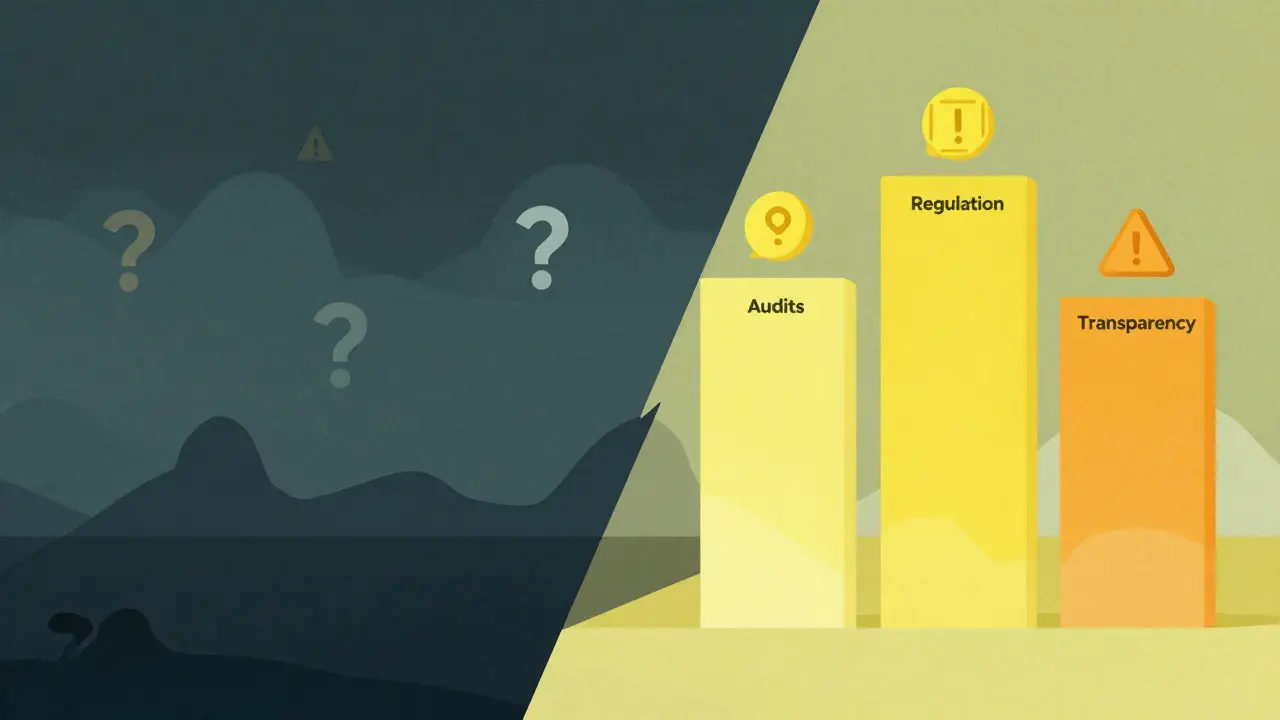
When evaluating any financial service, transparency is non-negotiable. Let’s look at what is missing from TimeBitEx’s public profile compared to industry standards.
| Feature | TimeBitEx | Major Exchanges (e.g., Binance, Bybit) |
|---|---|---|
| Corporate Structure | Unknown / Not Disclosed | Publicly Registered Entities |
| Fee Schedule | No Public Data | Clear Tiers (approx. 0.1% for top platforms) |
| User Reviews | Virtually None | Thousands on Trustpilot, Reddit, etc. |
| Security Audits | No Evidence Found | Regular Third-Party Audits |
| Regulatory Compliance | Unclear | Licensed in Multiple Jurisdictions |
The absence of basic information is concerning. We don’t know who founded TimeBitEx, where the company is headquartered, or which regulators oversee its operations. In contrast, established platforms like Kraken have been operating since 2011 with clear legal frameworks. Even newer competitors provide detailed "About Us" pages and team profiles. TimeBitEx’s silence on these matters suggests either extreme negligence or intentional obfuscation.
Market Position: A Niche Player in a Dominant Market
The 2026 cryptocurrency exchange market is highly consolidated. According to recent industry analyses, three platforms dominate the sector:
- Binance: Known for deep liquidity and low fees (around 0.1%).
- Bybit: Popular for derivatives trading and offering significant bonuses (up to $30,000 for new users).
- OKX: Praised for robust on-ramps and competitive network fees.
These leaders benefit from economies of scale, allowing them to offer superior technology, better customer support, and tighter spreads. TimeBitEx does not appear in any major comparative rankings. It lacks the trading volume necessary to ensure smooth order execution. Low liquidity means you might struggle to withdraw large amounts quickly or face slippage (getting a worse price than expected) when trading.
Furthermore, expert commentary in 2026 consistently advises against platforms with fees exceeding 0.4%. Since TimeBitEx doesn’t disclose its fee structure, you cannot verify if it falls within the competitive range. Hidden fees in PAMM systems often include management fees and performance fees, which can eat into profits significantly.
Security Concerns: What Happens to Your Funds?
Security is the most critical factor in choosing a crypto exchange. Without verified security protocols, your digital assets are at risk. Here is what we know about TimeBitEx’s security posture:
- No Proof of Reserves: Major exchanges regularly publish Proof of Reserves (PoR) audits to show they hold user funds 1:1. TimeBitEx has no such documentation.
- Unclear Custody Model: It is unclear whether TimeBitEx uses cold storage, multi-party computation (MPC), or other advanced security measures. Leading platforms now integrate web3 wallets and self-custody options to reduce counterparty risk.
- KYC Integration: There is no clear information on whether TimeBitEx enforces Know Your Customer (KYC) checks. Platforms that skip KYC may seem appealing for privacy, but they are also more likely to be shut down by regulators or exploited by fraudsters.
If a platform cannot prove it has the funds to cover withdrawals, you should treat it as high-risk. The lack of user complaints online is not necessarily a good sign; it often means the platform is too new or too small to have generated significant discussion yet. Alternatively, it could indicate that users are unable to withdraw funds and therefore cannot leave reviews.

Better Alternatives for Algorithmic and Passive Trading
If you are attracted to TimeBitEx because you want passive income or automated trading, you have safer, more transparent alternatives. You don’t need to gamble on an obscure platform to achieve similar goals.
1. Use Copy Trading on Established Exchanges
Platforms like Bybit and eToro offer copy trading features. You can follow successful traders, see their historical performance, risk metrics, and maximum drawdowns before allocating funds. This provides the PAMM-like experience but with full transparency and regulatory oversight.
2. Invest in Index Funds or ETFs
If active trading isn’t your strength, consider Bitcoin or Ethereum ETFs available through traditional brokerage accounts. These offer exposure to crypto markets without the complexity of managing private keys or dealing with unregulated exchanges.
3. Staking on Reputable Platforms
Many major exchanges allow you to stake your coins to earn interest. For example, Kraken and Coinbase offer staking services for various cryptocurrencies. While returns vary, the security infrastructure behind these companies is far superior to that of niche players like TimeBitEx.
Final Verdict: Proceed with Extreme Caution
After analyzing the available data, my recommendation is clear: avoid TimeBitEx until it demonstrates greater transparency. The combination of unknown ownership, undisclosed fees, lack of security audits, and absence from expert reviews creates a perfect storm for potential fraud or operational failure.
Crypto investing is risky enough without adding platform uncertainty. Stick to exchanges that are widely recognized, regulated, and reviewed by thousands of users. If TimeBitEx ever releases comprehensive audit reports, clear fee schedules, and verifiable corporate information, it may deserve a second look. Until then, your capital is safer elsewhere.
Is TimeBitEx a scam?
While there is no definitive proof that TimeBitEx is a scam, it exhibits many characteristics of high-risk platforms. The lack of transparency regarding its corporate structure, fees, and security measures makes it difficult to trust. Always be wary of platforms that promise high returns through "AI" without providing verifiable track records.
What is the PAMM model?
PAMM stands for Percentage Allocation Management Module. It is a system where investors allocate funds to a master account managed by a professional trader or algorithm. Profits and losses are distributed proportionally among all participants based on their share of the total capital.
Are there better alternatives to TimeBitEx?
Yes. Major exchanges like Binance, Bybit, and OKX offer robust trading environments with lower fees and higher security. For passive trading strategies, consider copy trading features on Bybit or staking services on Kraken and Coinbase.
Does TimeBitEx have user reviews?
There are virtually no independent user reviews for TimeBitEx on major platforms like Trustpilot, Reddit, or YouTube. This lack of community feedback is a significant red flag compared to established exchanges that have thousands of testimonials.
What are the fees on TimeBitEx?
TimeBitEx does not publicly disclose its fee structure. This includes trading fees, withdrawal fees, and potential PAMM management fees. In contrast, leading exchanges typically charge around 0.1% for trading, with reductions for high-volume users.