Singapore Crypto Tax Calculator
Calculate how much you could save in taxes by investing in crypto through Singapore's tax-free environment compared to jurisdictions with crypto taxation.
Enter your investment amount to see potential tax savings.
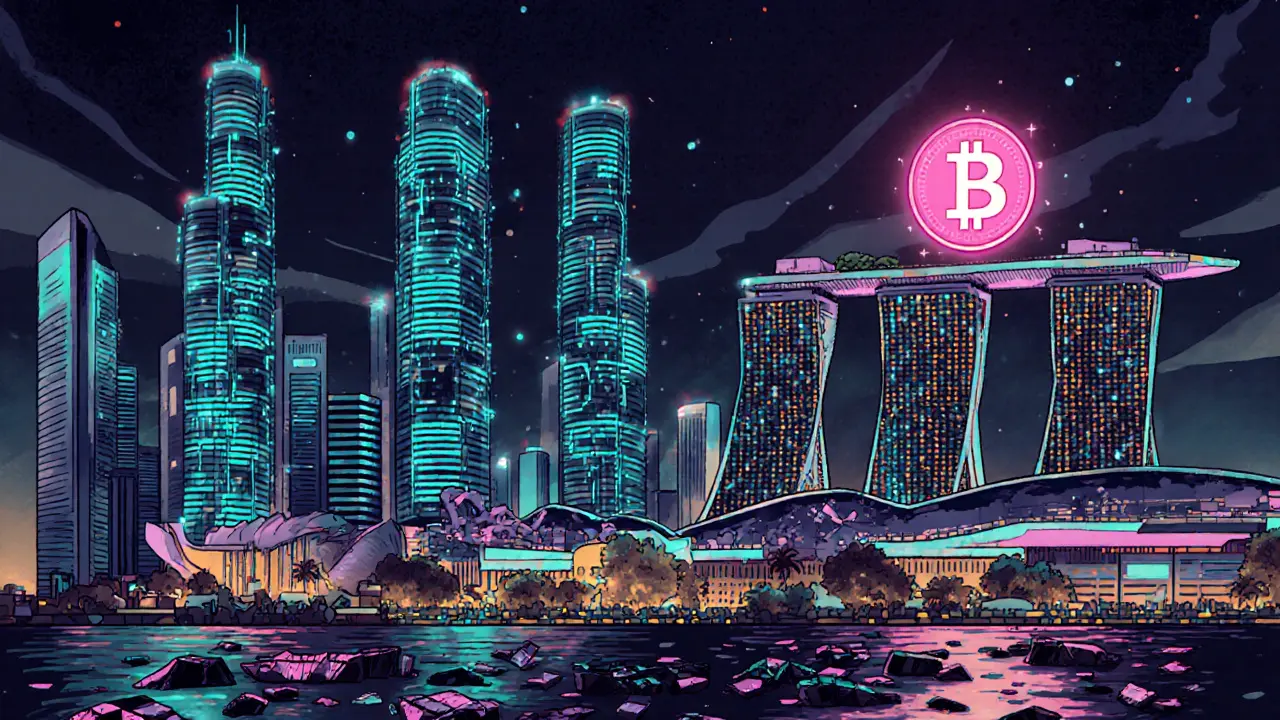
When people think of crypto hubs, they often picture Silicon Valley, Miami, or even Dubai. But right now, the most powerful force in Asian cryptocurrency isn’t driven by hype or free-market chaos-it’s built on rules. Singapore doesn’t welcome crypto because it’s wild. It thrives because it’s controlled.
Regulation That Builds Trust, Not Just Users
Singapore’s success isn’t accidental. It didn’t just open its doors and hope for the best. The Monetary Authority of Singapore (MAS) created a system where crypto firms must earn their place. If you want to operate here, you need a license. You need clear compliance. You need to prove you can protect customer funds and prevent money laundering. No exceptions. This isn’t just bureaucracy. It’s strategy. Since 2020, MAS has issued only 16 full payment service licenses to crypto firms out of hundreds of applications. That’s a rejection rate above 90%. Most countries would see that as a failure. Singapore sees it as a filter. The result? Eighty-three percent of Fortune 500 companies running blockchain pilots in Asia do so under MAS-approved frameworks. That’s not luck. That’s credibility. And it’s working. When the June 30, 2025 deadline passed, unlicensed crypto firms were shut down. Trading volumes didn’t crash. They shifted. Liquidity moved from shady platforms to licensed ones. Investors didn’t flee-they doubled down. Because now, they know their money is safer here than in most other places.The Stablecoin Powerhouse
Singapore isn’t just about Bitcoin or altcoins. It’s the second-largest stablecoin hub in the world-after the U.S. Between June 2024 and June 2025, $2.4 trillion in stablecoin activity flowed through Singapore’s networks. That’s more than the entire GDP of countries like Norway or Switzerland. Why? Because businesses use it. Not just traders. Real companies. Wetrip, a Singapore-based travel agency, now lets customers pay for flights and hotels in USDC. Capella Hotels accepts stablecoins for luxury stays. Ginza Xiaoma, a high-end reseller in the city, uses them to pay suppliers across Asia. These aren’t experiments. They’re daily operations. The Singapore-China corridor is now the busiest stablecoin route on Earth. Companies use it to move money faster, cheaper, and without the delays of traditional banking. And it’s growing. Corporate stablecoin payments jumped from under $100 million in early 2023 to over $3 billion by early 2025. That’s a 3,000% increase in two years.Tax-Free Crypto, But Only If You Play by the Rules
One of the biggest draws for crypto investors isn’t regulation-it’s taxes. Singapore doesn’t tax capital gains from crypto trading. No tax on staking rewards. No tax on mining income. No tax on selling Bitcoin for Singapore dollars. That’s rare. Most countries treat crypto like property or income. Singapore treats it like… nothing. If you make money, you keep it all. But here’s the catch: you can’t do it anonymously. You can’t use offshore wallets to hide your trades. You must use licensed exchanges. You must report large transactions. The tax exemption isn’t a loophole-it’s a privilege for those who follow the system. That’s why top crypto founders moved here. Gary Or and Bobby Bao of Crypto.com relocated their headquarters to Singapore. Changpeng Zhao, founder of Binance, made it his operational base. They didn’t come for the nightlife. They came because they knew: if you want to build a global crypto business, you need a place where banks, regulators, and investors all speak the same language. Singapore speaks it fluently.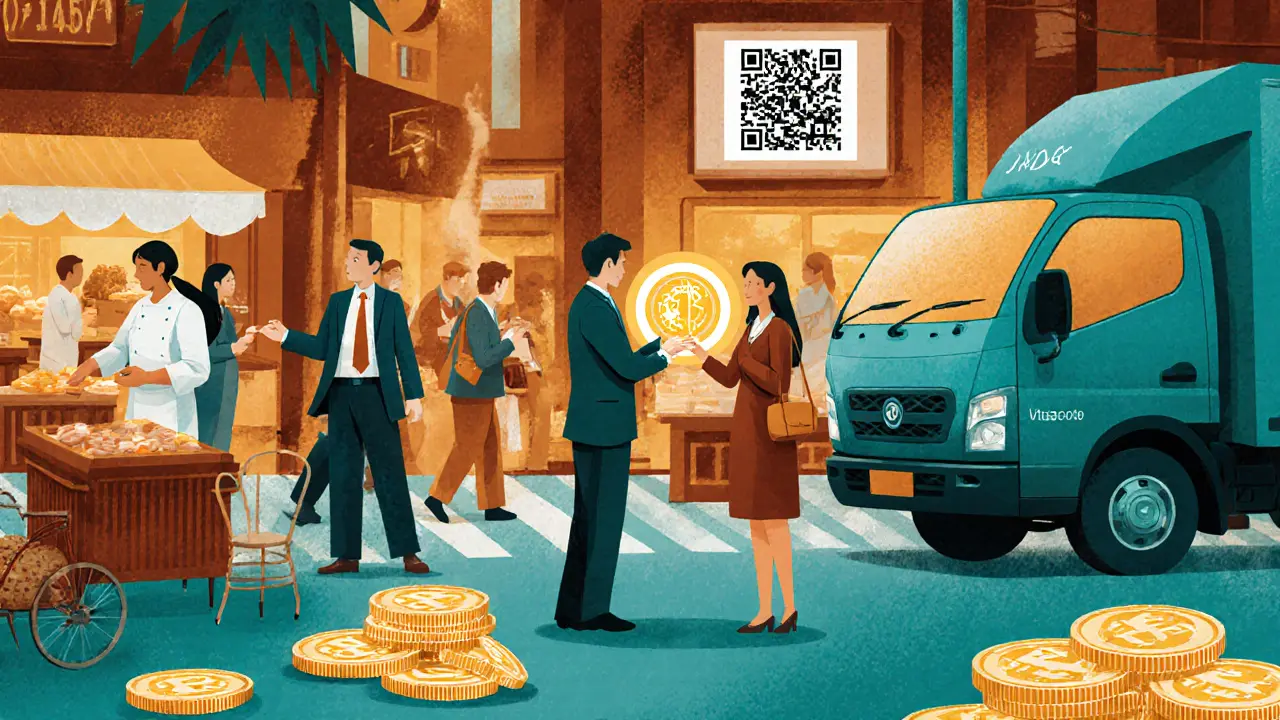
Institutional Money Is Already Here
Forget retail traders. The real power move in crypto isn’t buying Bitcoin on your phone. It’s tokenizing real estate, bonds, and private equity. And Singapore is leading that charge. BlackRock chose Singapore as its Asia tokenization hub. That’s right-the world’s largest asset manager is building digital versions of traditional assets here. Goldman Sachs is testing tokenized bonds. SWIFT, the global banking network, is running pilot programs with Singaporean banks to connect CBDCs (central bank digital currencies) across borders. These aren’t side projects. They’re core strategies. Tokenized assets could unlock $2 trillion in value by 2030, according to MAS estimates. Singapore isn’t waiting for that future. It’s building it now.The World’s Biggest Crypto Event Is in Singapore
TOKEN2049 Singapore 2025 sold out six months in advance. 25,000 people from 160 countries showed up. 500+ exhibitors filled all five floors of Marina Bay Sands. Title sponsors included Coinbase, OKX, Circle, TRON, and DWF Labs-all top-tier names that didn’t just show up. They invested. Why here? Because this isn’t a conference. It’s a signal. When the world’s biggest crypto companies pick one city to host their flagship event, they’re betting on its stability, its infrastructure, and its long-term vision. Singapore didn’t win because it’s cheap or trendy. It won because it’s the only place in Asia where global institutions feel safe to make big moves.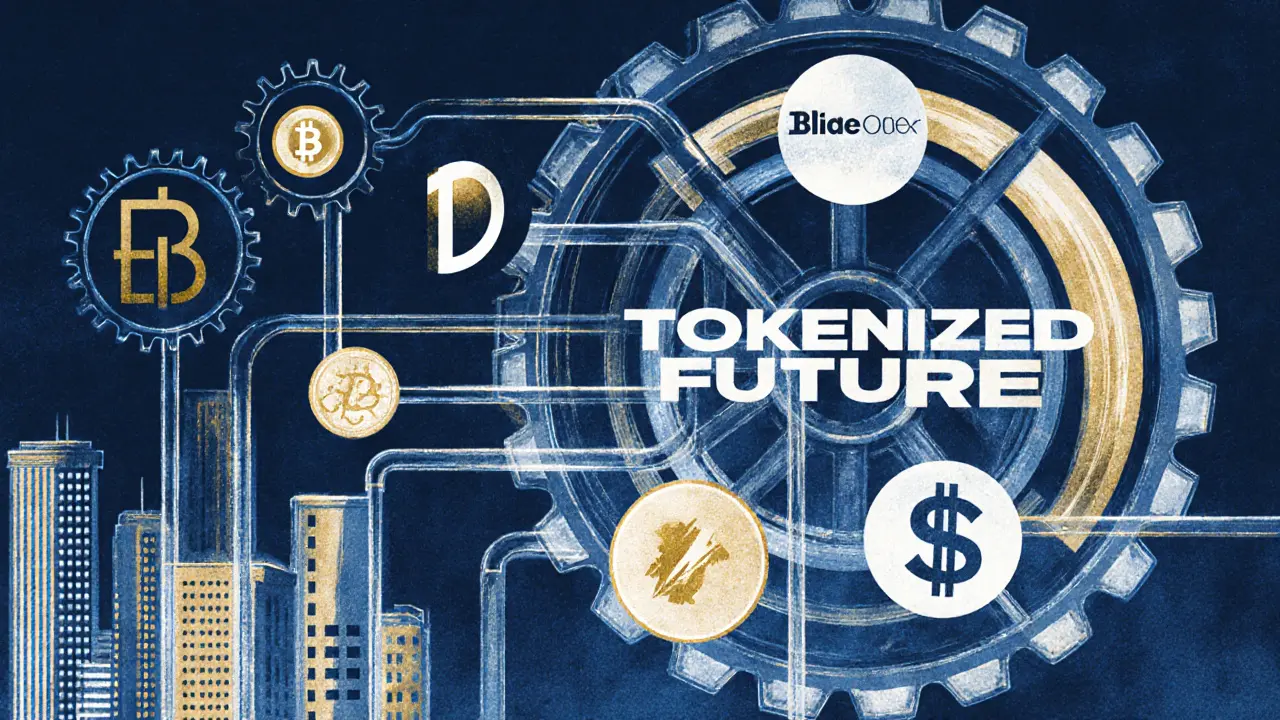
Who’s Really Winning in Singapore’s Crypto Scene?
It’s not the retail traders. It’s not the influencers. It’s the institutions. The banks. The asset managers. The corporations that need certainty. Millennials and Gen Z are adopting crypto here at three times the rate of Baby Boomers. But the real growth isn’t in apps like Binance or Coinbase. It’s in backend systems-tokenized supply chains, automated compliance tools, digital identity platforms. Singapore is building the plumbing for the next financial system. And that’s why, despite having some of the strictest crypto rules in the world, Singapore is the most trusted crypto hub in Asia. It didn’t become a leader by being permissive. It became a leader by being precise.What’s Next? The Tokenized Future
Singapore isn’t stopping at stablecoins or tokenized assets. It’s testing crypto-first public services. Imagine paying your taxes in USDC. Or buying a government bond as an NFT. Or using a digital ID to access healthcare and banking in one system. The city is already piloting these ideas. And unlike other places that talk about blockchain for years, Singapore is already deploying it. The goal isn’t to replace banks. It’s to make them faster, cheaper, and more transparent. By 2030, Singapore could be the first country where digital assets are as common as cash. Not because people love crypto. But because the system works better than the old one.Why Other Asian Cities Still Can’t Catch Up
Hong Kong has talent. Tokyo has tech. Seoul has users. But none have the combination Singapore does: regulatory clarity, institutional trust, tax efficiency, and global connectivity. Other countries try to copy Singapore’s rules. But they don’t have MAS’s track record. They don’t have the same level of cooperation between banks, regulators, and tech firms. They don’t have the $2.4 trillion in stablecoin volume flowing through their systems. Singapore didn’t become the hub by being the loudest. It became the hub by being the most reliable.


Steve Savage
November 28, 2025 AT 19:57It’s wild how Singapore turned regulation into a competitive advantage. Most places see rules as a wall, but they built a bridge. The fact that Fortune 500 companies trust this system says more than any marketing campaign ever could. It’s not about freedom-it’s about reliability. And honestly? That’s what the crypto world needed all along.
People keep chasing hype, but real value is in the plumbing. Tokenized bonds, automated compliance, digital IDs-this is the quiet revolution. No memes, no moonboys. Just clean, functional infrastructure. Singapore’s playing 4D chess while everyone else is still trying to figure out how to use a wallet.
Joe B.
November 29, 2025 AT 11:20Let’s be real-this whole ‘Singapore is the future’ narrative is just institutional FOMO dressed up as wisdom. Yes, they have a 90% rejection rate, but that’s because they’re gatekeeping access to a tiny elite. The $2.4T in stablecoin volume? Most of it’s wash trading between shell entities. You think BlackRock and Goldman are here because they love transparency? Nah. They’re here because Singapore lets them tokenize assets without the SEC breathing down their necks.
And don’t get me started on the ‘no capital gains tax’ thing-that’s not a feature, it’s a loophole for offshore tax dodgers with Singaporean bank accounts. The real winners? Lawyers and compliance consultants. The rest of us? Just collateral damage in their regulatory theater. 🤡
Rod Filoteo
December 1, 2025 AT 05:25ok but what if this is all a psyop? like… what if MAS is just a front for some globalist cabal using crypto to phase out cash and track every transaction? i mean, they shut down unlicensed platforms but let the big boys in? that’s not regulation, that’s control. and why is every single major crypto exec moving there? coincidence? i think not.
they’re building a digital surveillance state under the guise of ‘trust’ and ‘security’. remember when china did the same thing with their digital yuan? now everyone’s like ‘oh look how advanced’ but it’s just a fancy prison with better wifi. 🕵️♂️💸
and don’t even get me started on stablecoins-usdc? circle? that’s just a backdoor for the fed to control global finance. they’re not letting you keep your money-they’re letting you *think* you keep it.
Layla Hu
December 2, 2025 AT 17:14I think Singapore’s approach is quietly brilliant. Not flashy, not loud, just… steady. It’s the opposite of the ‘move fast and break things’ energy that got so many people burned. They’re building something that lasts.
It’s not for everyone. And that’s okay.
Nora Colombie
December 2, 2025 AT 18:18Stop acting like Singapore is some kind of genius. This is just corporate colonialism wrapped in a nice suit. The U.S. and EU have real innovation, real talent, real freedom. Singapore just lets rich people hide money and avoid taxes while pretending to be ‘progressive’. You think Binance moved there because they respect the law? They moved because they got caught and needed a new hideout.
And don’t even get me started on tokenized bonds-this isn’t finance, it’s financial theater. Real economies don’t need NFTs to pay for hospitals. America still leads in tech, in crypto, in everything. Singapore’s just a tax haven with better skyscrapers. 🇺🇸