Algerian Crypto Penalty Calculator
This tool provides information only about potential penalties under Algeria's Law No. 25-10. It is not legal advice. Using cryptocurrency in Algeria remains illegal and carries severe consequences.
Penalty Assessment
As of July 2025, Algerians cannot legally access cryptocurrency exchanges. It’s not a matter of slow internet or lack of apps-it’s a full criminal ban. The government passed Law No. 25-10, which makes every single crypto activity illegal: buying, selling, holding, mining, trading, even talking about it publicly if it’s seen as promotion. This isn’t a gray area. It’s black and white. If you’re caught using Bitcoin, Ethereum, or any other digital currency, you could go to jail for up to a year and pay a fine of up to 1 million Algerian dinars-roughly $7,700.
The law that shut down crypto in Algeria
Before July 2025, Algeria had a messy, half-hearted approach to cryptocurrency. They banned it in 2018, but no one was really punished. People still traded. Peer-to-peer platforms popped up. Chainalysis ranked Algeria in the top five fastest-growing crypto markets in the Middle East and North Africa just a year before the ban. Thousands of young Algerians were using apps like Binance, Kraken, and Paxful to buy Bitcoin, trade stablecoins, or send money abroad without banks. Then, on July 24, 2025, everything changed. The government published Law No. 25-10 in the official gazette. It didn’t just tighten rules-it erased all legal space for crypto. The law defines digital assets as “virtual instruments used as means of exchange via a computer system, without support from a central bank.” And then it says: “The purchase, sale, use, and holding of these virtual currencies are strictly prohibited in Algeria.” This isn’t just about trading. It’s about everything. Running a wallet? Illegal. Setting up a node? Illegal. Sharing a link to a crypto YouTube video? Potentially illegal. Even working as a blockchain developer for a foreign company could be seen as aiding a prohibited activity. The law casts a wide net. It targets individuals, platforms, educators, and even tech cafes that let people use crypto apps.What happens if you get caught
The penalties aren’t warnings-they’re jail time. First-time offenders face two months to one year in prison. Fines start at 200,000 dinars ($1,540) and can climb to 1 million dinars ($7,700). For repeat offenses or cases tied to organized crime, fines can hit 2 million dinars ($14,700). The law allows both jail and fine to be applied together. No exceptions. No leniency. Algerian authorities have ramped up digital surveillance. They’re monitoring online traffic, tracking suspicious IP addresses, and working with telecom providers to flag encrypted apps used for crypto trading. VPNs, Tor, and encrypted messaging platforms like Signal or Telegram are now under increased scrutiny. Authorities don’t need to catch you trading-they just need to find a wallet address linked to your device or a chat group where crypto is discussed. There’s no official reporting system. No grace period. No appeals process for those who unknowingly held crypto before the ban. If your phone has a crypto app installed-even if you never used it-you could be investigated.How people are still trying to access crypto
Despite the law, demand hasn’t disappeared. People still want to send money to family abroad, hedge against inflation, or invest in something beyond the stagnant local economy. So they find ways-illegally. Some use VPNs to access foreign exchanges like Binance or Coinbase. They create accounts with fake IDs, deposit money through unofficial channels, and withdraw cash via peer-to-peer traders. Others use local middlemen-people who buy crypto on international platforms and sell it in cash inside Algeria. These traders operate in WhatsApp groups, hidden Telegram channels, or even in person at cafés. Decentralized exchanges like Uniswap or PancakeSwap are also used, but only by the technically savvy. You need a crypto wallet (like MetaMask), some knowledge of gas fees, and the ability to bypass local banking blocks. Even then, converting crypto back to dinars is the biggest hurdle. You can’t just cash out at a bank. You need a buyer willing to risk arrest. These underground networks are growing, but they’re dangerous. There’s no protection. No recourse if you get scammed. No legal way to report fraud. People have lost thousands of dollars to fake traders who disappeared after receiving cash.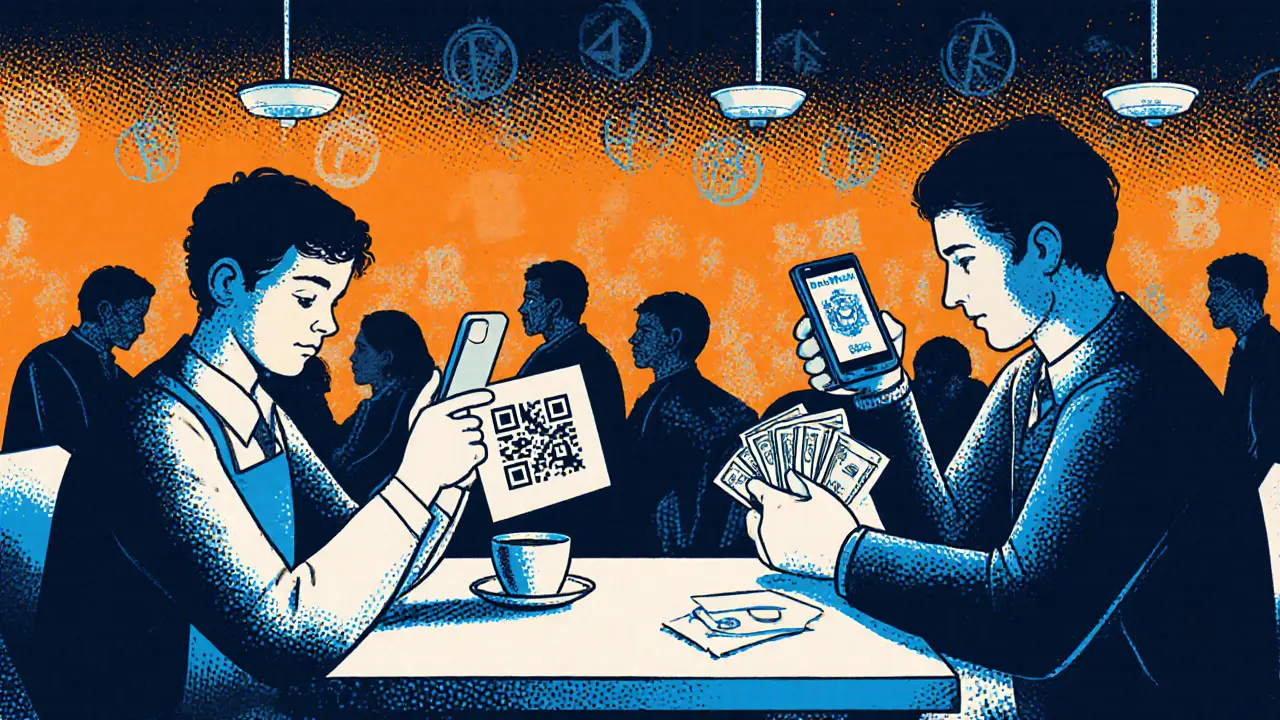
The brain drain from Algeria’s crypto scene
Before the ban, Algeria had a growing tech community. Universities offered blockchain courses. Hackathons focused on DeFi. Startups tried to build local crypto solutions. Developers were in demand. Now, that’s gone. Many blockchain engineers, crypto analysts, and fintech entrepreneurs have left the country. Some moved to Morocco, Tunisia, or the UAE-places with clearer crypto rules. Others relocated to Europe or Canada. This isn’t just about losing jobs-it’s about losing a generation of digital talent. The government didn’t just ban crypto. It banned innovation. Tech hubs that once buzzed with talk of NFTs and smart contracts are now quiet. Students who studied computer science now look for work in call centers or retail. The skills they built-coding, security, cryptography-are still valuable, but they can’t be used at home.Why Algeria took this extreme step
The government says it’s about protecting the national currency and preventing money laundering. They cite guidance from the Financial Action Task Force (FATF), which pushes countries to control illicit financial flows. Algeria’s central bank argues that crypto threatens monetary policy and could destabilize the economy. But the real reason is control. Algeria’s economy is still dominated by state institutions. The central bank controls all foreign currency flows. Crypto bypasses that. People can send money out of the country without approval. They can store value outside the banking system. That’s a threat to the regime’s grip on finance. Compare Algeria to Nigeria, Egypt, or Kenya-countries where crypto use exploded because people needed alternatives to unreliable banks. Algeria chose the opposite path: total prohibition. It’s a strategy that works in the short term to suppress dissent, but it isolates the country from global financial innovation.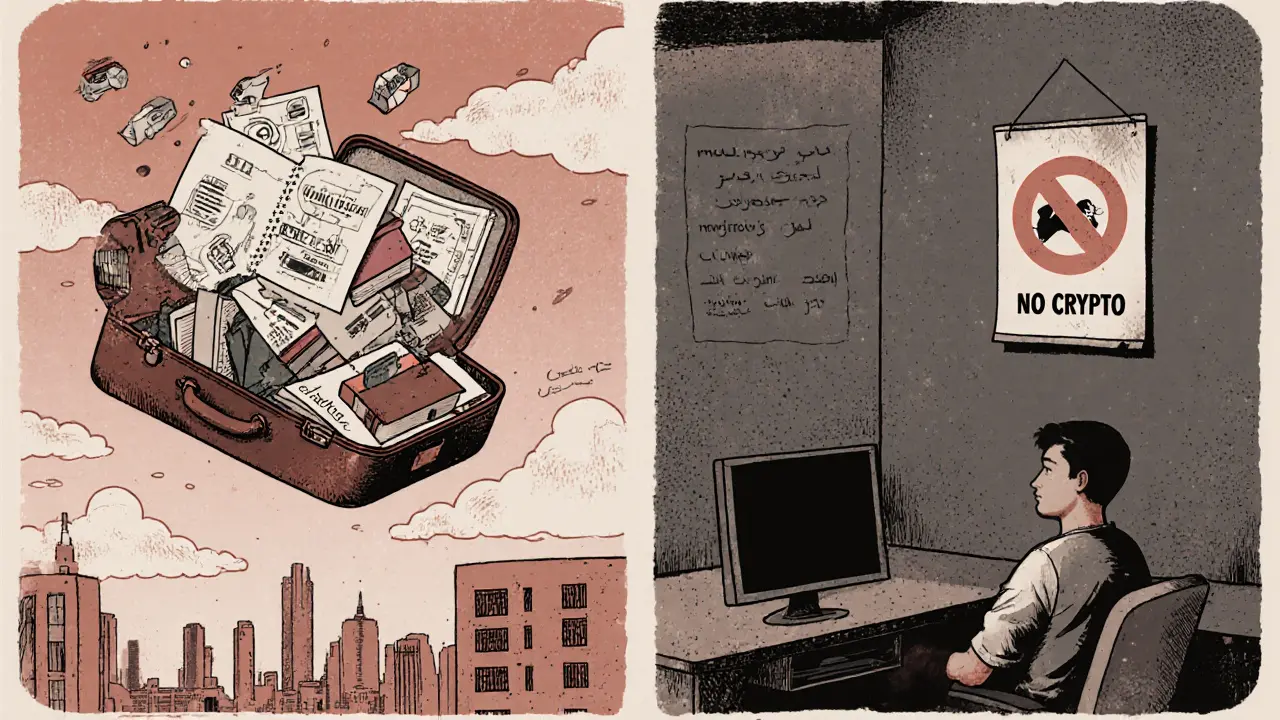
The long-term cost
Algeria is one of only nine countries in the world with a complete crypto ban. The others include China, Egypt (partially), and a few others with authoritarian financial controls. This isn’t just about Bitcoin. It’s about who controls money. By banning crypto, Algeria is cutting itself off from Web3, DeFi, tokenized assets, and the next wave of digital finance. Young Algerians can’t invest in global projects. Entrepreneurs can’t raise funds through token sales. Even freelancers can’t get paid in crypto and convert it safely. The result? A digital economy stuck in the 2000s. While the rest of the world moves toward open financial systems, Algeria is building walls. The cost isn’t just economic-it’s generational. Kids growing up today will never know what it’s like to use a decentralized network. They’ll learn finance from state-controlled apps, not open protocols.What’s next for Algerians?
Right now, the only options are risky and illegal. There’s no legal path. No official exchange. No licensed wallet provider. No government-backed crypto education. Some hope the law will soften. Maybe in five years, when global adoption is even higher, Algeria will reconsider. But for now, the message is clear: if you want crypto, you do it alone, in secret, and at great personal risk. The ones who succeed are the quiet ones. The ones who use burner phones. The ones who never talk about it online. The ones who meet in person, hand over cash, and disappear. They’re not traders. They’re survivors.What you should know if you’re an Algerian
If you’re in Algeria and you’re thinking about crypto:- There is no legal way to buy, sell, or hold cryptocurrency.
- Using a VPN to access exchanges still violates the law.
- Peer-to-peer cash trades are high-risk and unregulated.
- Even holding a crypto wallet on your phone can trigger an investigation.
- There are no protections if you’re scammed.
- Law enforcement actively monitors digital activity.
Is it legal to own Bitcoin in Algeria?
No. Owning Bitcoin or any other cryptocurrency is illegal in Algeria under Law No. 25-10, which took effect on July 24, 2025. The law explicitly prohibits the holding, storage, or possession of digital assets, regardless of whether they are used for trading or just kept as a store of value.
Can I use Binance or Coinbase in Algeria?
Accessing Binance, Coinbase, or any foreign crypto exchange is illegal in Algeria. Even if you use a VPN to bypass internet blocks, doing so still violates Law No. 25-10. The law doesn’t distinguish between local and foreign platforms-it bans all access to cryptocurrency services, regardless of where they’re hosted.
What happens if I get caught trading crypto?
If you’re caught trading, holding, or promoting cryptocurrency, you face criminal charges. Penalties include imprisonment from two months to one year and fines between 200,000 and 1,000,000 Algerian dinars (about $1,540-$7,700). Repeat offenses or involvement in organized activity can double the fine and extend jail time. Authorities may also seize devices used in the activity.
Are there any legal crypto exchanges in Algeria?
No. There are no legal cryptocurrency exchanges operating in Algeria. The government has not licensed any platform for crypto trading, and all attempts to establish such services are blocked and criminalized under Law No. 25-10.
Can I use crypto to send money to family abroad?
Using cryptocurrency to send money abroad is illegal in Algeria. While some people do it through peer-to-peer cash trades or underground networks, this violates the law. The government views this as a form of capital flight and actively monitors for such activity. There is no legal alternative to traditional remittance channels.
Is mining cryptocurrency allowed in Algeria?
No. Mining cryptocurrency is explicitly banned under Law No. 25-10. This includes using your computer, GPU, or specialized hardware to validate blockchain transactions. The law prohibits all forms of crypto creation and participation in mining networks, regardless of scale or intent.
Can I be punished for talking about crypto online?
Yes. If your online posts or videos are interpreted as promoting or encouraging cryptocurrency use, you could be charged under the law’s provisions against “advertising or informational activities related to digital assets.” Even educational content can be flagged if authorities believe it’s facilitating illegal activity.
Will Algeria ever allow crypto again?
There’s no clear sign of change. Algeria’s ban is among the strictest in the world, and the government shows no indication of reversing course. Unlike other countries that are building regulatory frameworks, Algeria is doubling down on control. Any future legalization would require a complete overhaul of financial policy-and political will that currently doesn’t exist.


Mohamed Haybe
November 30, 2025 AT 12:03Marsha Enright
December 1, 2025 AT 10:24Andrew Brady
December 1, 2025 AT 14:59Sharmishtha Sohoni
December 3, 2025 AT 04:48Althea Gwen
December 4, 2025 AT 06:24