Finance & Regulation: Crypto Compliance, Vesting, and Legal Risks Explained
When you're dealing with Finance & Regulation, the rules and legal frameworks that govern how money moves in digital assets. Also known as crypto compliance, it's not just paperwork—it's what keeps you from losing everything when a startup folds or a government cracks down. In North America, this isn't theoretical. If you're holding tokens, working for a blockchain company, or running a crypto service, you're already in the crosshairs of regulators. The question isn't whether rules apply—it's whether you know what they are.
Take vesting terms, how equity or tokens are released over time to employees or early backers. Many people think they're getting rich when a project launches, but if the vesting schedule has a 4-year cliff and no acceleration clause, you could walk away with nothing if you leave before year four—or if the company gets bought. It’s not just about timing; it’s about tax triggers, acquisition clauses, and whether the company can cancel your tokens if you’re fired. This isn’t Silicon Valley hype—it’s legal fine print that can wipe out your income. And then there’s OFAC sanctions, the U.S. government’s list of blocked individuals and entities in crypto. If your exchange, wallet, or DeFi app interacts with anyone on that list—even unknowingly—you could be fined millions. OFAC doesn’t care if you didn’t know. In 2025, compliance isn’t optional. It’s the baseline for any crypto business handling U.S. users. These aren’t isolated issues. Vesting terms affect employee retention and project stability. OFAC rules shape which exchanges survive and which get shut down. Both tie into broader blockchain legal risks, the financial, operational, and reputational dangers that come from ignoring regulatory boundaries.
What you’ll find here isn’t theory. These are real cases. People who lost their tokens because they didn’t read the fine print. Companies that got hit with penalties because they skipped compliance checks. And the simple steps you can take today to protect yourself—whether you’re an employee, investor, or founder. No jargon. No fluff. Just what works in North America’s evolving crypto landscape.

Cryptocurrency Mixing Services and North Korea Money Laundering: Risks and Regulations
Exploring how cryptocurrency mixing services obscure blockchain trails and enable North Korean money laundering. Learn about the risks, regulations, and the impact of OFAC sanctions.
View More
Cryptocurrency Mixing Services and North Korea Money Laundering Risks Explained
Explore how cryptocurrency mixers help obscure funds and why North Korea utilizes these tools for money laundering. Learn about sanctions, legal risks, and user safety.
View More
Document Forgery for Crypto Exchange Access: Legal Consequences You Can't Ignore
Using fake documents to access crypto exchanges is a federal crime with up to 20 years in prison per charge. Learn how detection works, why exchanges are liable, and why you can't get away with it.
View More
How Alipay and WeChat Pay Enforce China's Crypto Ban
Alipay and WeChat Pay enforce China's crypto ban by blocking payments to crypto exchanges, monitoring transaction patterns, and freezing accounts. Despite loopholes in WeChat's messaging system, the ban remains strict with no legal way to trade or hold crypto.
View More
Colombia's Banking Ban on Crypto Transactions: What It Really Means for Users and Businesses
Colombia doesn't ban crypto, but its banks are legally forbidden from handling it. This creates a financial gray zone where users struggle to access digital assets, while major institutions find loopholes to operate anyway.
View More
Russian Crypto Exchanges to Avoid in 2026: Risks and Red Flags
Russian citizens face serious legal and financial risks when using unregulated crypto exchanges. Learn which platforms to avoid in 2026, including Garantex and Exved, and why these exchanges could lead to frozen funds, criminal charges, or total financial loss.
View More
Global Crypto Regulatory Convergence Trends: How Countries Are Aligning Digital Asset Rules
Global crypto regulation is finally aligning. MiCA, the U.S. GENIUS Act, and Asia’s strict licensing are creating a unified framework for stablecoins, exchanges, and issuers-reducing chaos and boosting institutional trust.
View More
Tunisia's Complete Crypto Ban Explained: Why It Exists and What It Means Today
Tunisia banned all cryptocurrency activities in 2018, making it one of the strictest crypto regimes in the world. This article explains why the ban exists, how it's enforced, what's changing, and what it means for Tunisians today.
View More
Tunisia's Complete Crypto Ban Explained: Why It Exists and What It Means Today
Tunisia has one of the world's strictest crypto bans, outlawing trading, mining, and even holding digital assets. Learn why the government enforces it, how it's applied, and whether change is coming.
View More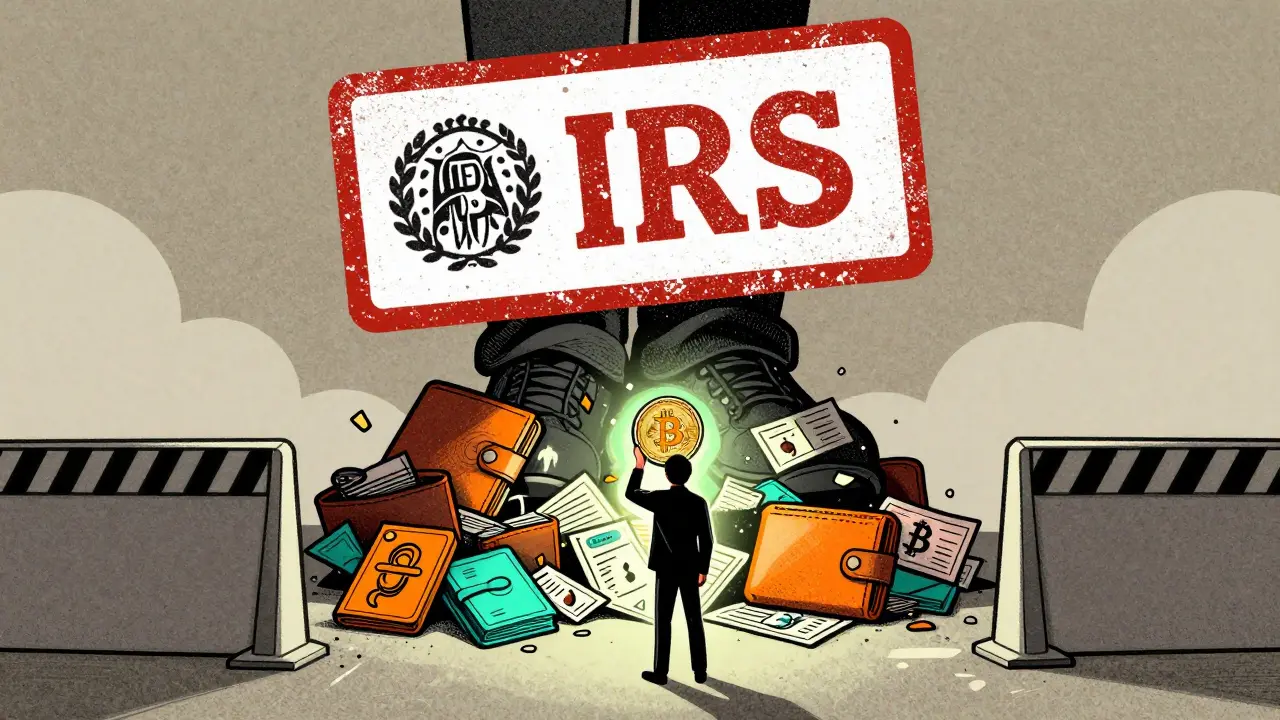
Exit Tax on Crypto Assets for US Expatriates: What You Need to Know in 2026
The U.S. exit tax on crypto assets can hit expatriates with massive bills-even if they never sold their coins. Learn how the deemed sale works, who pays, and how to legally reduce or avoid the tax in 2026.
View More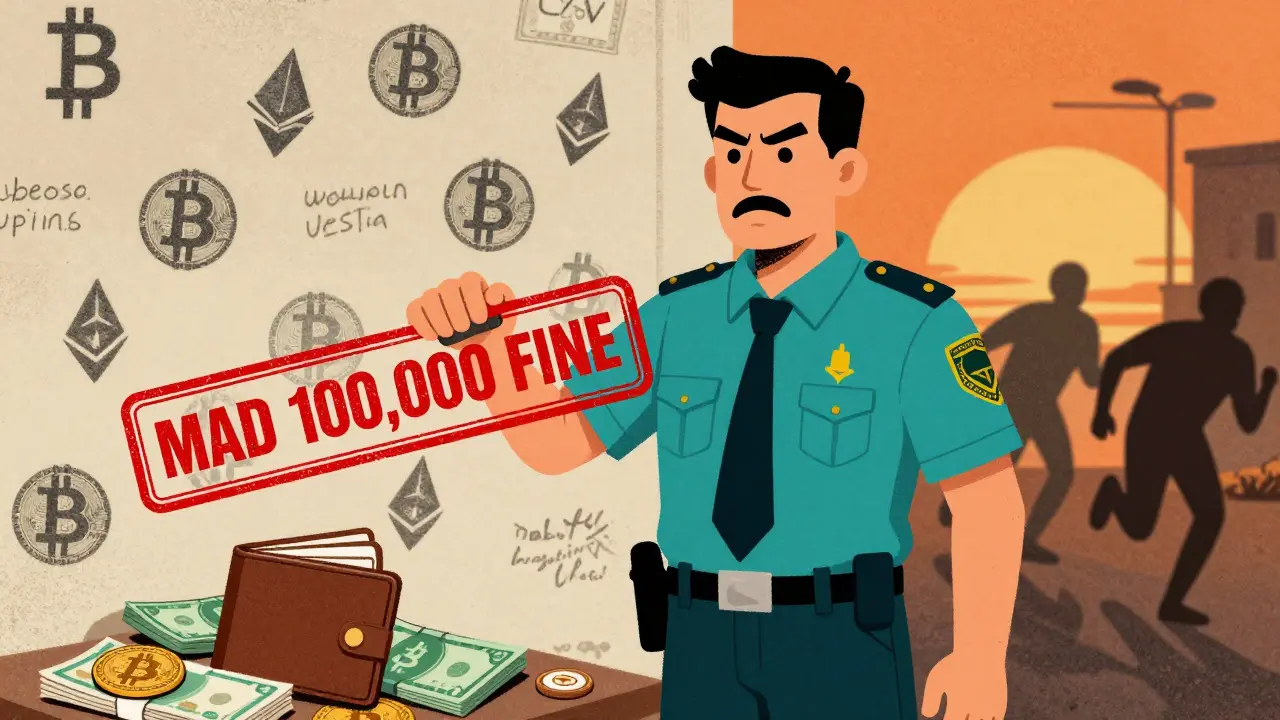
Penalties for Crypto Trading in Morocco: Fines, Enforcement, and What’s Changing in 2026
Morocco banned crypto trading in 2017 with fines up to $50,000. In 2025, new laws will legalize crypto under strict rules-with taxes and licensing. Here’s what traders need to know before 2026.
View More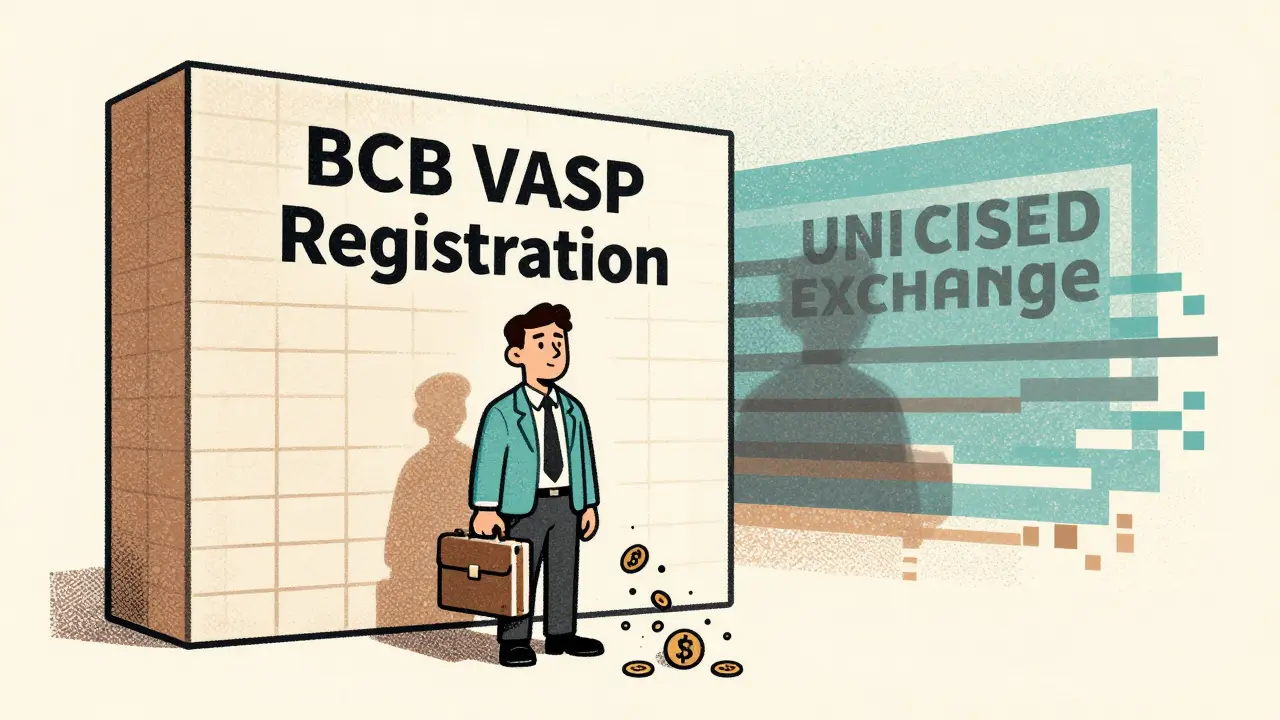
Crypto Exchange Licensing in Brazil by Central Bank: What You Need to Know in 2026
Brazil's Central Bank now requires all crypto exchanges to register and follow strict financial rules. Learn the licensing requirements, $10,000 transaction limits, and how foreign platforms are being forced to comply in 2026.
View More